Waste Management
 Carbon Avoidance
Energy, Industrial & Circular Economy Projects for Corporate Net-Zero Strategies
Waste management projects focus on improving the collection, processing, and treatment of waste to reduce its environmental and health impacts, with a particular focus on reducing superpollutants such as methane. Rather than treating waste as an end-of-life product, these projects reframe it as a recoverable resource that can be reused, recycled, or transformed into valuable outputs.


 Projects in Global Portfolio
 Locations

Company impact
By integrating waste management projects as part of a broader portfolio of high-quality climate projects, companies can contribute through Ongoing Emissions Responsibility (OER) approaches while preserving critical resources, mitigating the environmental degradation caused by primary resource extraction, and offering major economic opportunities for local communities.
Maximizing Sustainable Impact through Waste Management
 Emission reduction type: Avoidance
 Risk of reversal: Low
 Permanence: Years to decades
 Price range: From €10 to €20
By shifting from linear waste disposal systems to circular approaches, waste management projects reduce emissions by limiting landfill use, open burning, and inefficient disposal methods while significantly cutting superpollutants such as methane.
Through recycling, composting, landfill gas capture, anaerobic digestion, and waste-to-energy systems, waste streams are converted into energy, secondary materials, and soil amendments, reducing reliance on virgin resources. These projects are considered carbon avoidance initiatives as they prevent emissions that would otherwise be released under conventional practices, supporting lower-carbon development and broader climate mitigation goals.

Driving Circular Economy through Waste Management
Waste management projects generate co-benefits that create new economic opportunities and support the circular economy.


Environmental
Support the circular economy, produce clean renewable energy, and preserve natural and rare resources.

Social
Foster job opportunities and provide skills training.
Why Integrate Waste Management Projects into your Corporate Climate Strategy?
Integrating waste management projects into a broader climate contribution strategy enables companies to support meaningful climate action while addressing emissions from waste treatment and disposal. By supporting solutions such as recycling, composting, improved waste management, and methane capture, these projects help reduce greenhouse gas emissions, particularly methane, while promoting more efficient resource use and recovery.
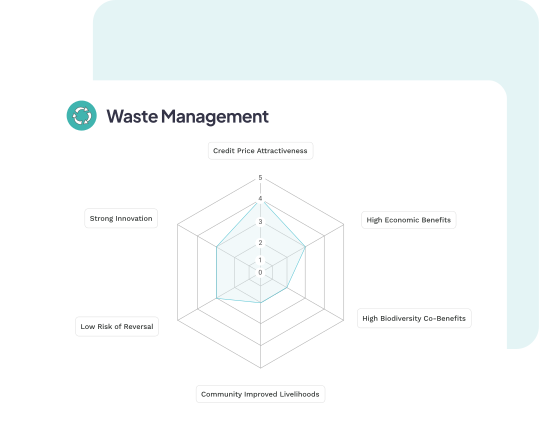
For companies, these projects provide an opportunity to support practical solutions that contribute to climate action and the transition toward a more circular economy. They can help reduce emissions, improve resource efficiency, and strengthen waste management systems while supporting system-wide transformation. Although their biodiversity and community livelihood co-benefits can be more limited than those of some other project typologies, waste management projects offer a practical pathway to support measurable mitigation outcomes and circular economy solutions.

 Expert Insight
Waste management projects offer companies a practical way to address superpollutants such as methane while reducing overall waste across their value chains. By improving collection, treatment, and recovery systems, these projects cut emissions from landfills and transform waste into valuable resources like energy, compost, and secondary raw materials. Beyond emissions reduction, they help companies advance circular economy strategies, improve resource efficiency, and strengthen sustainability reporting while contributing to more resilient and responsible waste systems.
Danielle Parkinson
Carbon Project Analyst
Recycling Projects
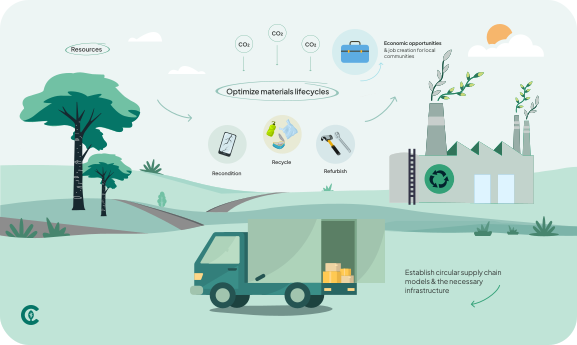
Recycling, recovery, and reuse of materials such as plastics, metals, and paper reduce landfill waste and associated greenhouse gas emissions by decreasing the need for energy-intensive extraction and processing of virgin resources. By supporting circular economy models and the deployment of innovative technologies, these projects enable the transformation of waste streams into secondary materials, while also creating local employment opportunities.
Beyond climate mitigation, they contribute to more efficient resource use and support the development of more sustainable and resilient material systems.

Methane Recovery & Avoidance
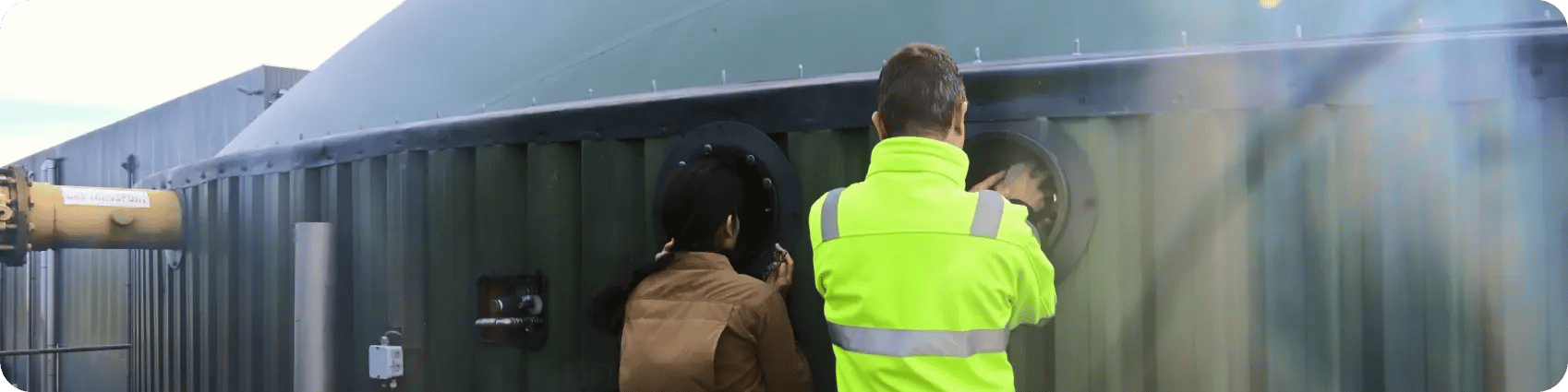
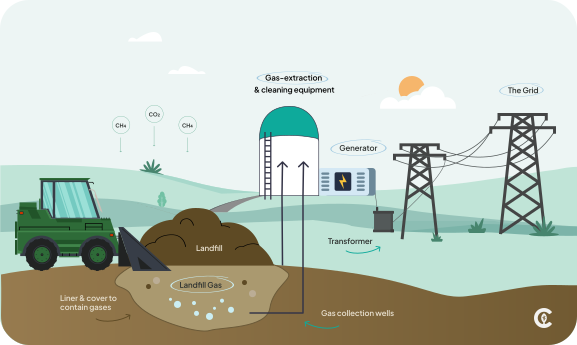
Methane recovery projects capture landfill gas and destroy it or convert it into electricity for local communities or injection into the national grid. By capturing and utilizing this gas, they prevent the release of methane and associated greenhouse gas emissions while generating clean, renewable energy.
Beyond climate mitigation, these projects improve local environmental conditions and safety by reducing odors and unmanaged gas emissions, while also contributing to improved livelihoods. Often implemented in agriculturally based communities, they can also support local employment and capacity building through on-the-job and specialised training linked to renewable energy and environmental management.
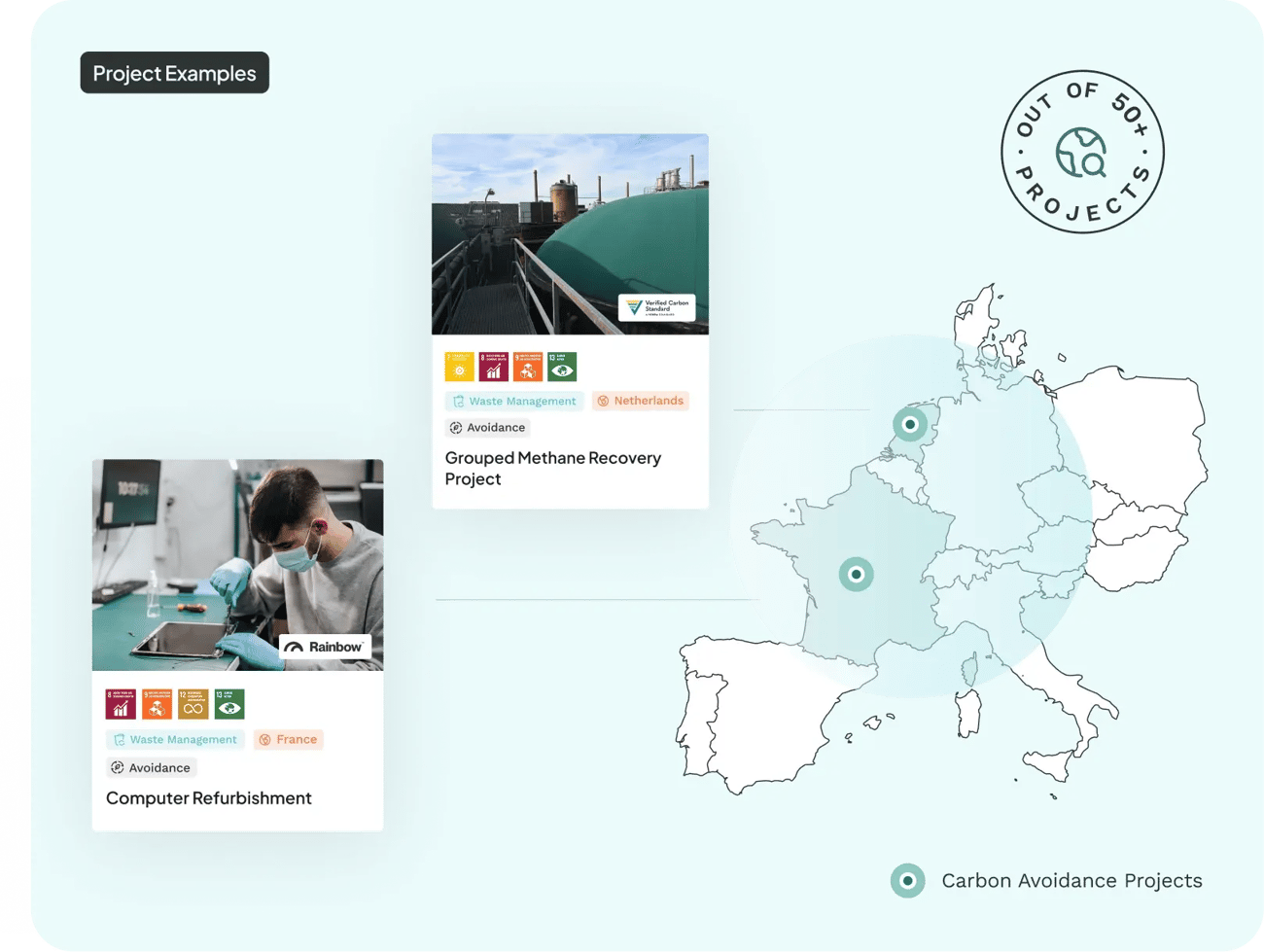
Project Examples
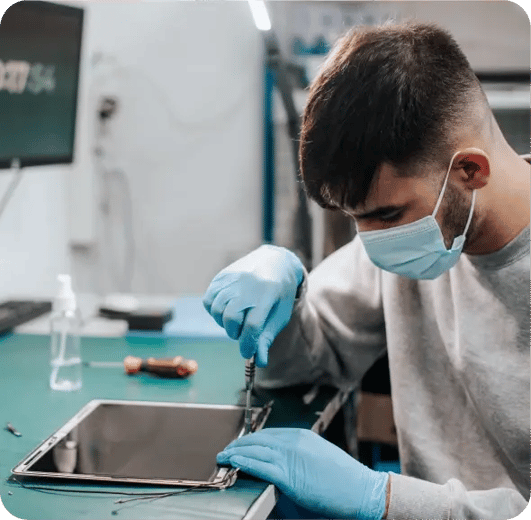
Computer Refurbishment Center in France
Carbon Avoidance Waste Management
The project reduces the digital carbon footprint by refurbishing and extending the operational lifespan of IT devices to cut e-waste and emissions, while also delivering social impact through skills training programs that support the reintegration of formerly incarcerated individuals into the workforce.
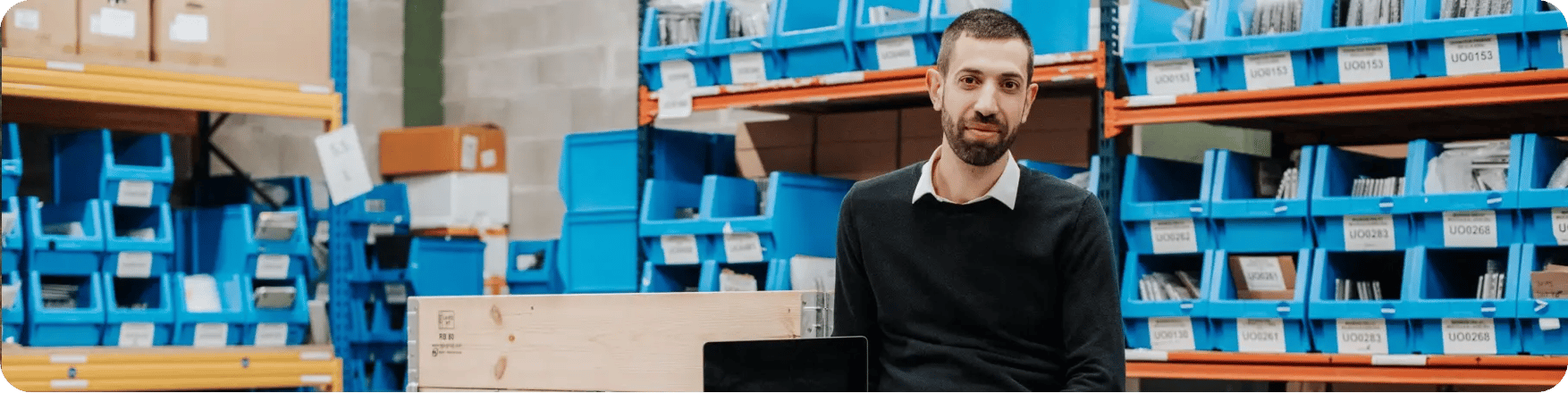
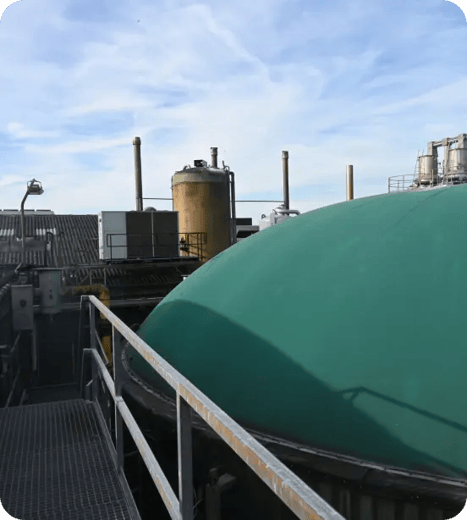
Grouped Methane Recovery Project in the Netherlands
Carbon Avoidance Waste Management
The project reduces greenhouse gas emissions from livestock manure by using anaerobic digestion and CHP technology to convert manure and organic waste into renewable electricity and heat for local use and grid supply, while improving waste management and reducing environmental impacts from traditional storage practices.