Solar Water Pump Project in Kenya



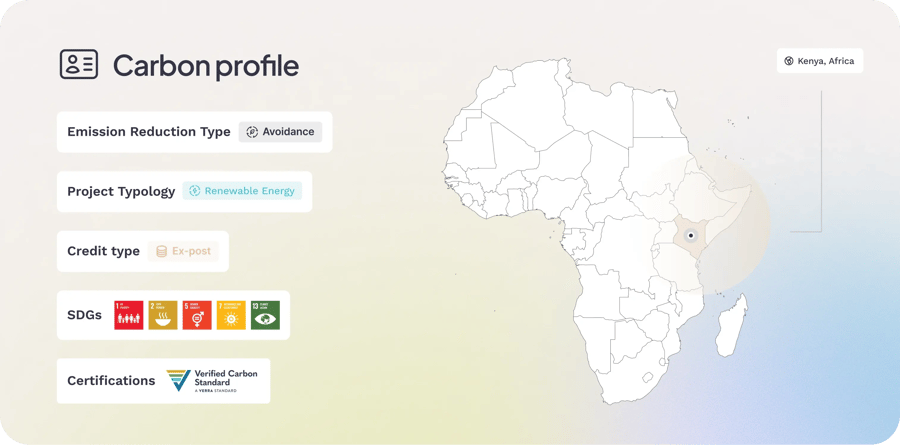
Solar Irrigation: A Technology Designed for Smallholder Farmers
SunCulture distributes solar water pumping systems to farmers who would otherwise rely on fossil-fuel-powered pumps or rain-fed irrigation. Its flagship RainMaker2 system can be combined with SunCulture's ClimateSmart technology, an Internet of Things (IoT)-enabled energy management system that integrates solar panels, a lithium-ion battery and maximum power point tracking (MPPT) charging technology.
The system powers and monitors water pumps used for crop irrigation. It also automatically switches off the pump when the water source runs dry, helping protect the equipment and avoid unnecessary water extraction. Farmers can also integrate sprinkler systems or direct drip irrigation to improve water delivery to their fields. By combining solar energy with irrigation technology, SunCulture helps farmers reduce their reliance on fuel, improve access to water and adapt agricultural practices to changing climatic conditions.
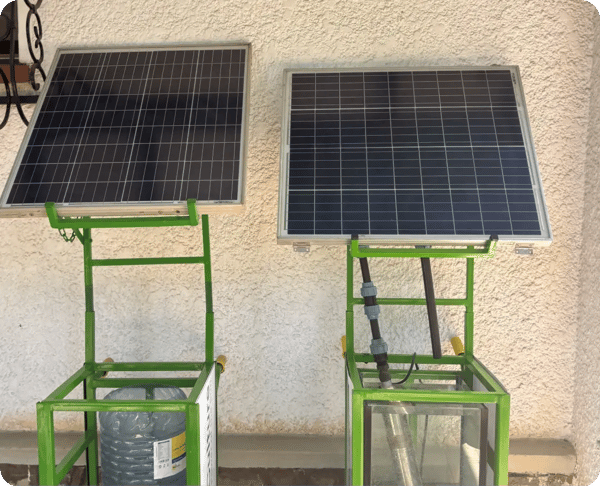
Harnessing Solar Energy to Support Smallholder Farmers
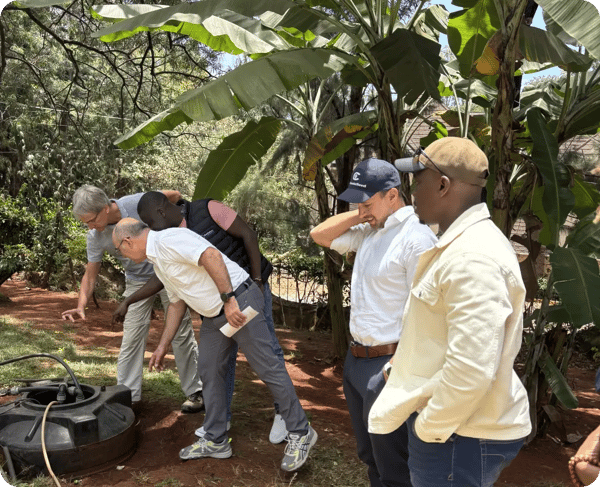
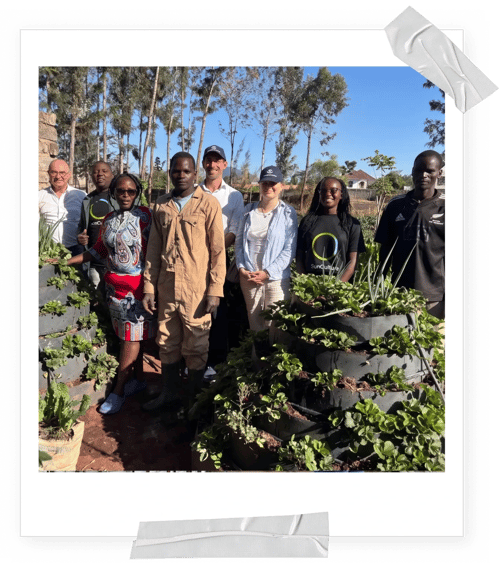
In October 2026, the ClimateSeed team visited SunCulture in Nairobi, Kenya, to discover its solar irrigation solutions. The visit included SunCulture’s offices, where the team learned about the design and production of its systems, followed by meetings with local farmers using the technology.
SunCulture addresses a key challenge for smallholder farmers across Africa: access to reliable and affordable irrigation. With increasingly unpredictable rainfall and a reliance on rain-fed agriculture, droughts can threaten crop yields and livelihoods. Conventional fuel-powered pumps offer an alternative but come with high operating costs.
SunCulture provides solar-powered irrigation systems that reduce reliance on diesel and petrol pumps, improve access to water and lower greenhouse gas emissions.
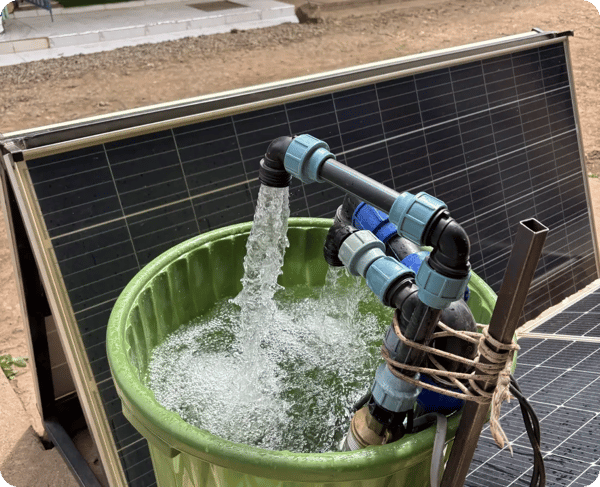
From Technology to Impact
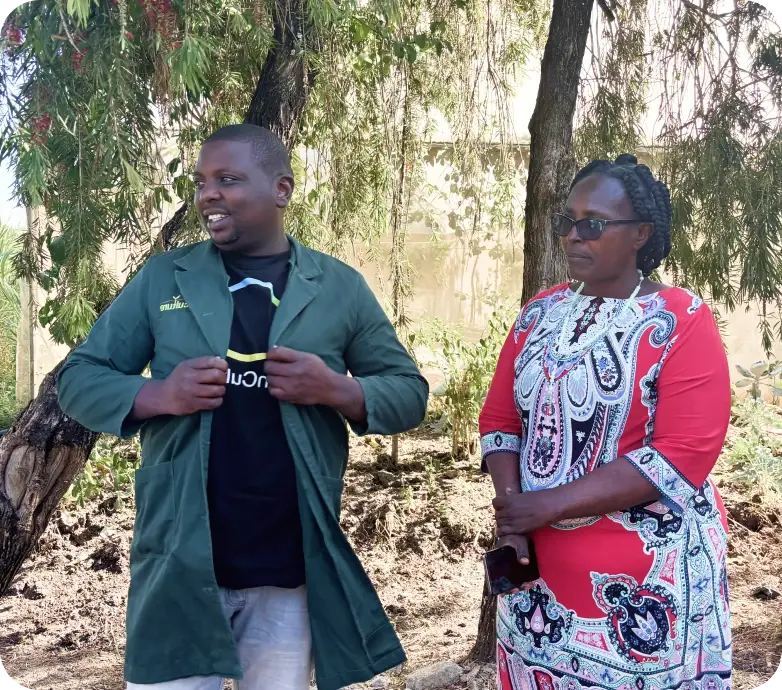
During our visit in October 2026, we had the opportunity to see SunCulture's operations firsthand, from the development and distribution of its irrigation systems to their use in local farming communities. The visit started at the main offices in Nairobi, where we learned more about the technology behind the solar-powered pumps. We then met farmers in nearby communities to understand how the systems are used in practice and how access to solar irrigation can support agricultural productivity and livelihoods.
Seeing both the production process and the technology in use offered a valuable perspective on how renewable energy solutions can address practical challenges faced by smallholder farmers.
Carbon Finance
Making Solar Irrigation More Accessible
Carbon finance plays an important role in SunCulture's model by helping reduce the upfront cost of solar irrigation systems. Revenue from carbon credit sales enables SunCulture to subsidise its products, making them more accessible to smallholder farmers with limited purchasing power. Without this financial support, the higher cost of solar irrigation equipment could prevent many farmers from adopting the technology. By helping bridge this affordability gap, carbon finance supports the wider deployment of solar-powered irrigation and enables the project to extend its climate and social impact.
The project generates carbon credits by replacing conventional fossil-fuel-powered water pumps with solar alternatives, avoiding greenhouse gas emissions associated with fuel consumption. Its IoT-enabled systems also support the monitoring of equipment use and energy management, contributing to the project's emissions accounting.
Key Impacts
The SunCulture project combines emissions avoidance with benefits for farming communities, contributing to several United Nations Sustainable Development Goals
SDGs including


No Poverty
By reducing expenditure on fuel and supporting higher agricultural productivity, solar irrigation can help farmers improve their incomes and livelihoods.
Smallholder farmers are able to reduce expenditure on fuel that would otherwise be required to operate conventional pumps. In addition, increased agricultural productivity enables farmers to increase their incomes, including through the cultivation of higher-value crops.
Zero Hunger
More reliable access to irrigation water allows farmers to grow crops beyond the rainy season, supporting agricultural productivity and food security.
Increased access to reliable irrigation enables farmers to increase agricultural productivity and extend cultivation across different seasons, contributing to improved household and community food security.

Gender Equality
Access to solar-powered irrigation can reduce the time and physical effort required for manual watering, helping reduce the burden of agricultural work, including for women.
By reducing the time, labour, and financial resources required for agricultural production and water access, the project reduces some of the burdens disproportionately experienced by women. Improved access to reliable irrigation also supports women's participation in agricultural activities, income generation, and household decision-making.

Affordable & Clean Energy
The project provides smallholder farmers with a renewable alternative to conventional fuel-powered irrigation pumps, reducing reliance on petrol and diesel.
SunCulture's Pay-as-you-Grow payment model improves access to solar-powered irrigation technologies by making the cost more manageable for smallholder farmers. Carbon finance further supports affordability by helping to reduce the cost of the pumps.

Climate Action
Replacing fossil-fuel-powered pumps with solar irrigation systems avoids greenhouse gas emissions while helping farmers adapt to increasingly unpredictable weather conditions.
Through its combination of solar technology, carbon finance and support for smallholder farmers, SunCulture demonstrates how climate action can deliver practical benefits for both the environment and local communities.
Harnessing Solar Power to Transform Agriculture
SunCulture develops IoT-enabled solar energy systems and irrigation equipment, alongside other agricultural products and services, while providing flexible financing options to address the daily challenges faced by smallholder farmers across Africa.
In Africa, where many farmers rely on unpredictable rainfall or costly fossil fuel-powered pumps for irrigation, SunCulture's solar-powered water pumps offer a cleaner, more affordable alternative. By improving access to water for agriculture, these systems help farmers increase productivity, reduce fuel expenditure and emissions, and strengthen their resilience to changing climate conditions.

Powering Climate Action & Resilient Livelihoods
ClimateSeed's collaboration with SunCulture was formalized in early 2024, following initial discussions in 2022 and an onboarding process that began in 2023. Both organizations share a commitment to supporting climate action through practical, scalable solutions that deliver measurable environmental benefits alongside positive social impacts.
Through this collaboration, ClimateSeed supports SunCulture's solar irrigation project, which combines emissions reductions with improved access to water, agricultural productivity, and stronger livelihoods for smallholder farmers in Kenya.
Ferrari
The sustainable community & innovative initiative project

Autonomy
The largest trade show dedicated to sustainable urban mobility
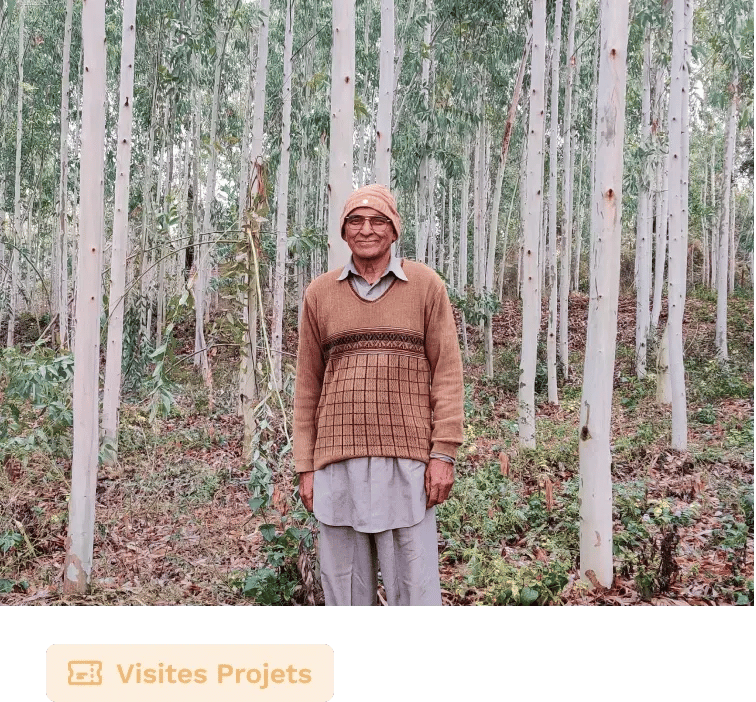
Agroforestry in Punjab
Discover our tour of India
ChangeNow
The biggest event organized for the planet

Women's forum
Highlight the link between climate change and equality
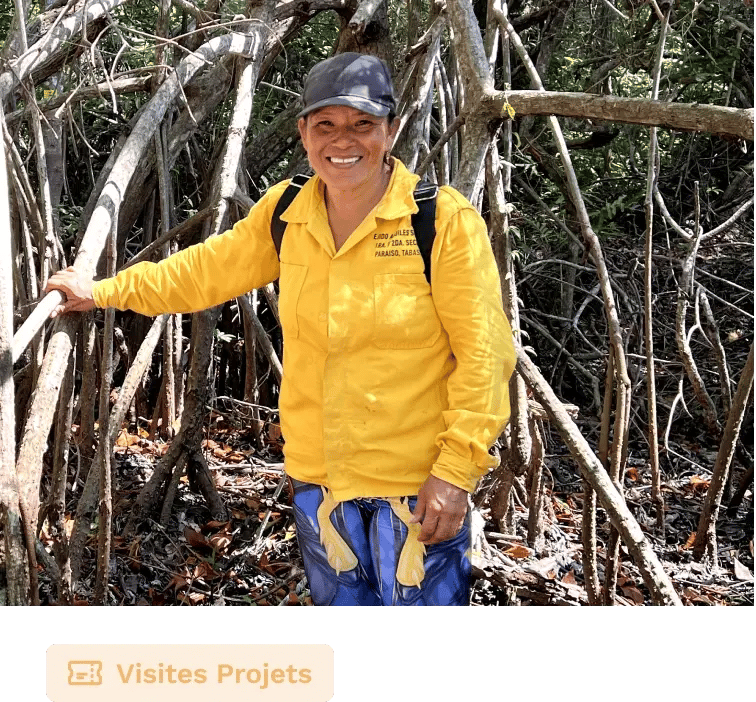
Conservation & restoration of mangroves
Discover our visit to Mexico

Wool and the Gang
The company with a unique approach to craftsmanship
EuroAirShip
Pioneer in sustainable development in aviation

Will Solutions
The company with a unique approach to craftsmanship