Safe Drinking Water
 Carbon Avoidance
Household & Community Devices for Corporate Net-Zero Strategies
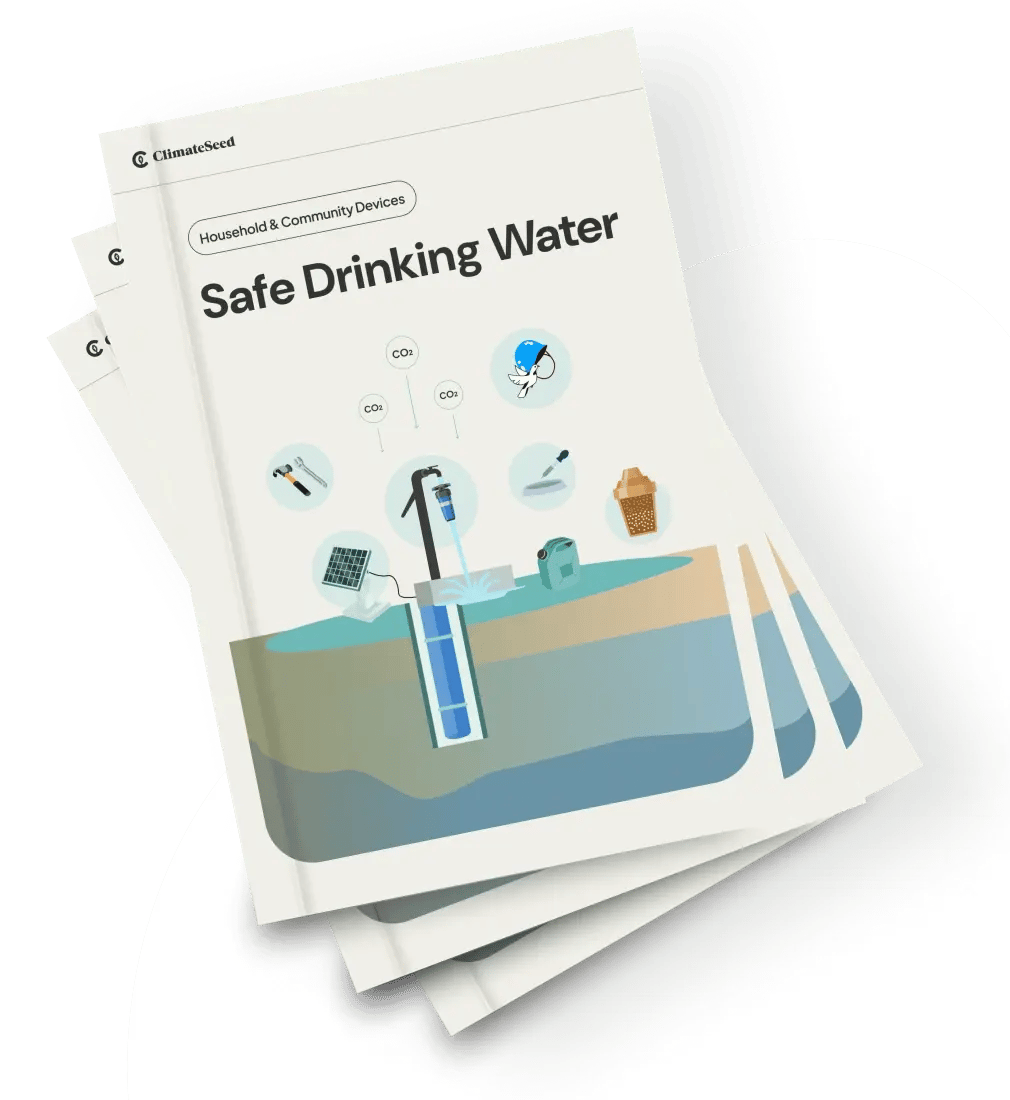
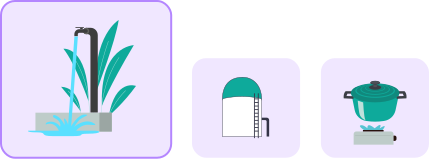
Safe drinking water projects increase access to clean water through household filters, water treatment systems, and borehole development.
They reduce CO₂ emissions by limiting the need to boil water, improve health by preventing waterborne diseases, and strengthen local livelihoods through training, employment, and community participation.
 Projects in Global Portfolio
 Locations

Company impact
By integrating Safe Drinking Water projects as part of a broader portfolio of high-quality climate projects, companies can contribute through Ongoing Emissions Responsibility (OER) approaches while providing access to safe drinking water by transforming families’ livelihoods and empowering women and girls.
Maximizing Carbon Impact through Safe Drinking Water
 Emission reduction type: Avoidance
 Risk of reversal: Low
 Permanence: Years to decades
 Price range: From €7 to €15
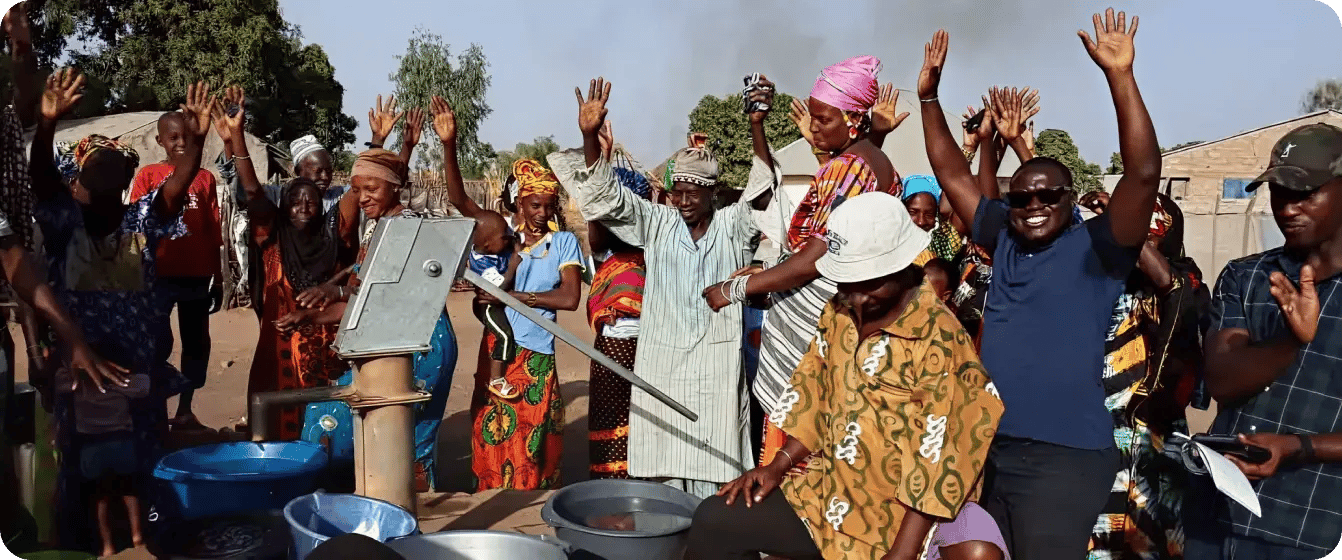
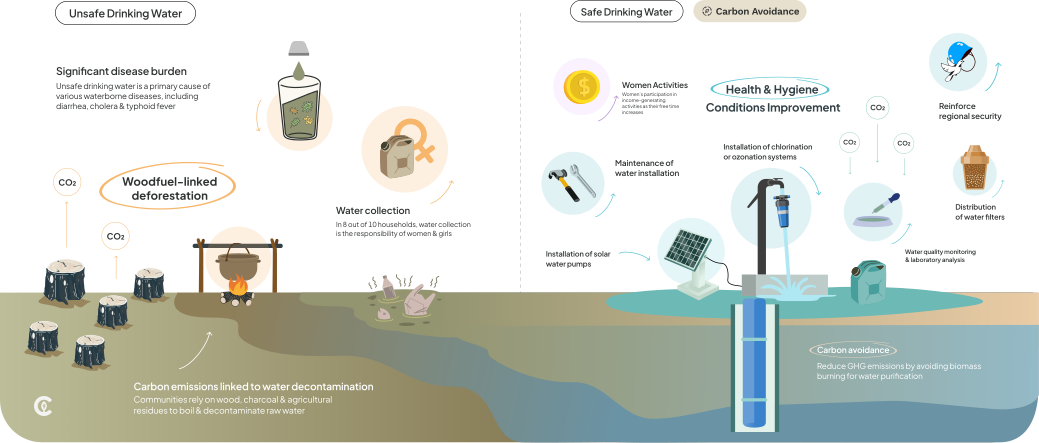
Safe drinking water projects involve funding borehole rehabilitation and water filters to improve water security for local communities. By improving water security and ensuring access to clean water, these projects help prevent waterborne diseases and provide reliable water for field cultivation and livestock feeding.
This not only helps to improve the livelihoods of women and children, who often bear the responsibility for water collection, but also protects local forests. Because these solutions reduce the need to burn firewood to boil water for purification, they avoid CO₂ emissions and eliminate indoor respiratory health risks. Local communities are given training and employment opportunities to maintain and repair the boreholes, providing families with a new source of income alongside their saved time.

Enhancing Water Security, Health, Sanitation & Ecosystems
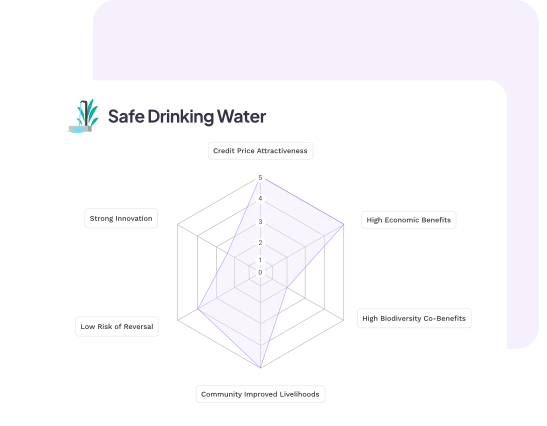
Safe drinking water projects generate co-benefits that strengthen local biodiversity, reduce waterborne diseases and reduce pressure on forests.


Biodiversity
Protection of freshwater and surrounding terrestrial ecosystems through reduced deforestation and land degradation, helping maintain local biodiversity and ecosystem integrity.

Environmental
Reduced pressure on forests from lower firewood use for boiling water, protection of soil and water resources, and avoided CO₂ emissions associated with traditional water purification practices.

Social
Health benefits from improved access to safe drinking water, including reduced waterborne diseases and indoor air pollution, enhanced livelihoods for local communities, women’s empowerment, and time savings through reduced water collection burden.
Why Integrate Safe Drinking Water Projects into your Corporate Climate Strategy?
Integrating safe drinking water projects into a broader climate contribution strategy enables companies to support the reduction of CO₂ emissions from inefficient water purification methods while delivering significant social and environmental benefits. These projects improve water security, prevent waterborne diseases, help protect forests, and empower women and children by reducing the burden of water collection.
For companies, these projects provide an opportunity to support essential solutions for climate action, community adaptation, and sustainable development. Their contributions directly expand access to safe drinking water, addressing urgent health challenges, improving livelihoods, unlocking household economic opportunities, and strengthening regional resilience against environmental degradation.

 Expert Insight
Safe drinking water projects improve water security through interventions such as borehole rehabilitation, water pump installation, or household water filter distribution. Depending on the project design, they can improve access to safe water, strengthen local livelihoods, reduce pressure on surrounding biomass and forest resources, and deliver important health and community resilience benefits. For carbon credit buyers, these projects offer meaningful social and environmental co-benefits alongside verified emissions reductions.
Iléana Perey
Carbon Project Analyst
Project Examples
Sustainable Clean Water in Malawi
Carbon Avoidance Safe Drinking Water
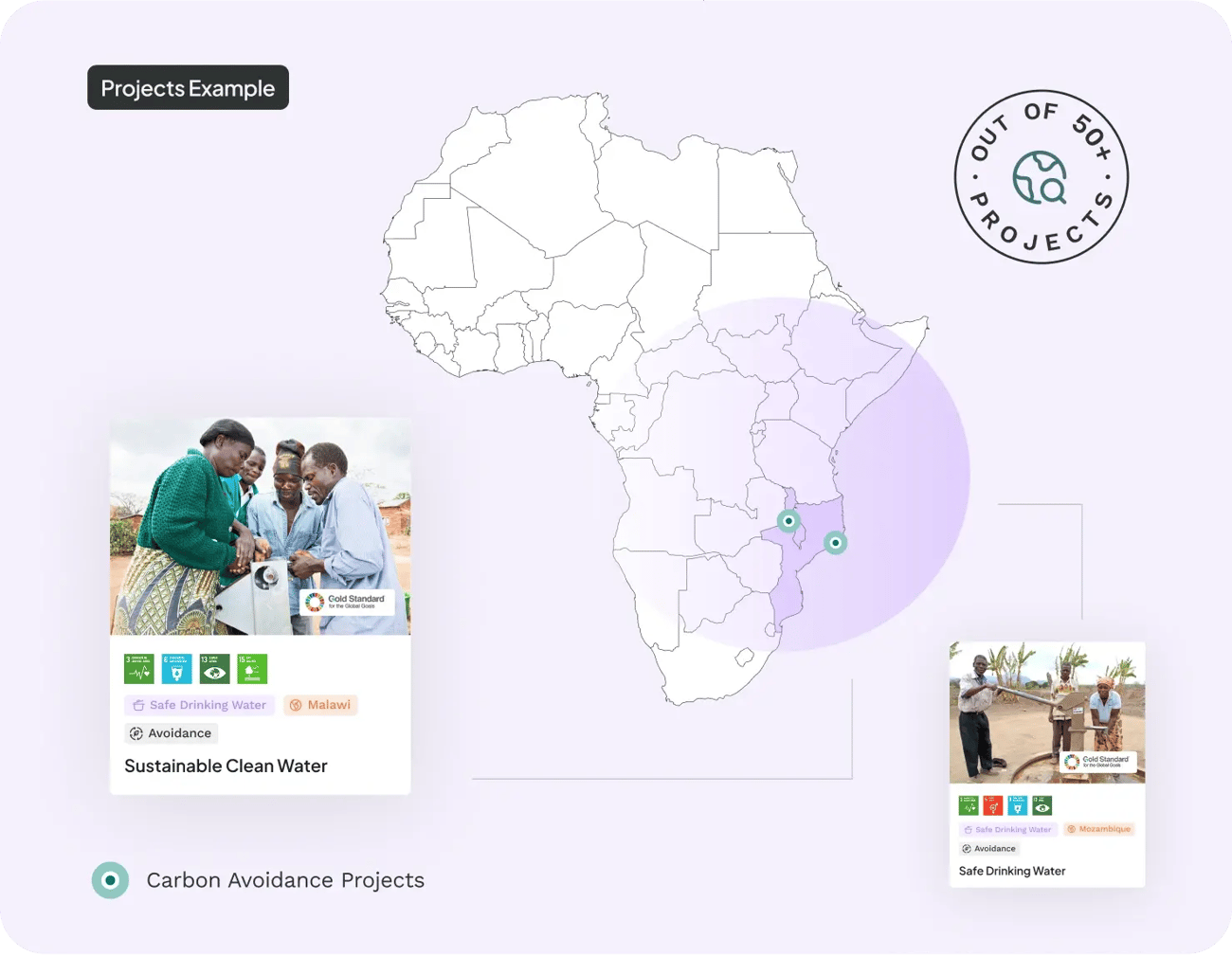
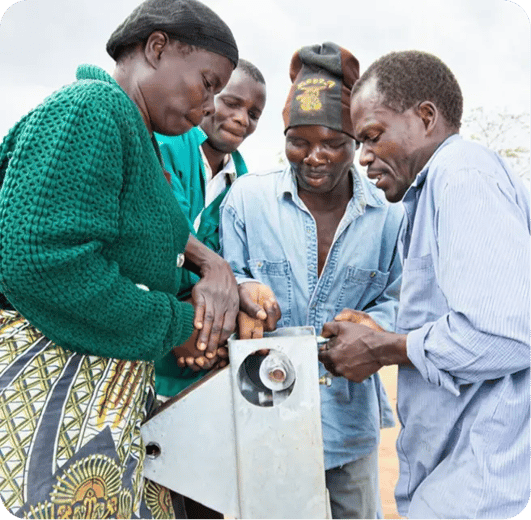
Unsafe water and sanitation practices contribute to Malawi having one of the highest mortality rates in the world; therefore, 900 boreholes were installed & rehabilitated in the Dowa and Kasungu Districts to provide clean water to households, eliminating the need to boil water for purification.
Safe Drinking Water in Mozambique
Carbon Avoidance Safe Drinking Water
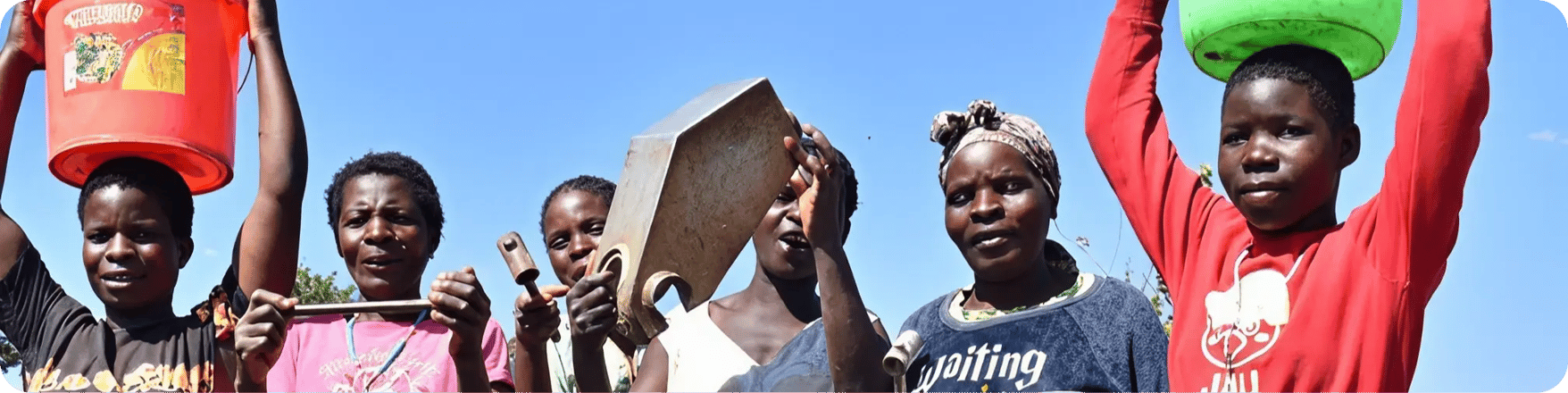
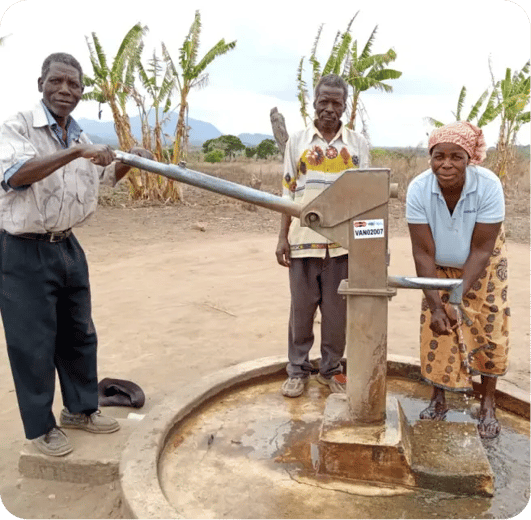
Following devastating cyclones that damaged numerous boreholes in Mozambique, this project was launched to restore access to safe drinking water for hundreds of households. By deploying resilient borehole technology, the initiative eliminates the need for communities to consume firewoods for boiling and purifying water, therefore significantly reducing local CO2 emissions.