Renewable Energy
 Carbon Avoidance
Energy, Industrial & Circular Economy Projects for Corporate Net-Zero Strategies
Renewable energy projects harness naturally replenishing resources, such as solar, wind, and hydropower, to generate electricity and heat with little to no greenhouse gas emissions. As carbon avoidance projects, they displace fossil-fuel-based energy generation and prevent emissions that would otherwise be released into the atmosphere.
 Projects in Global Portfolio
 Locations

Company impact
By integrating renewable energy projects as part of a broader portfolio of high-quality climate projects, companies can contribute through Ongoing Emissions Responsibility (OER) approaches while expanding clean energy access, thereby displacing fossil fuel dependency, transforming families’ livelihoods through stable power.
Maximizing Carbon Impact through Renewable Energy
 Emission reduction type: Avoidance
 Risk of reversal: Low
 Permanence: Years to decades
 Price range: From €2 to €10
Renewable energy projects leverage infinitely replenishing natural resources to produce energy, including solar farms, wind farms, and hydroelectric power plants.
Beyond reducing greenhouse gas emissions, these projects strengthen energy security by diversifying energy supply, reducing dependence on fossil fuels, and expanding access to reliable, low-carbon power. They improve air quality, support resilient energy systems, create local employment and skills development, and encourage sustainable resource management. Additional revenue can be generated through mechanisms such as microgrids, feed-in tariffs, and direct electricity sales, supporting long-term economic development.

Driving Clean Energy Access & Community Development
Renewable energy projects generate co-benefits that unlock new economic opportunities, improve health outcomes and accelerate grid decarbonization.


Environmental
Increases the share of renewables in a country’s regional energy mix, directly reducing and displacing polluting fossil-fuel-based power generation.

Social
Foster local employment and diverse economic opportunities through infrastructure construction, operation, and maintenance, while providing stable access to clean, decentralized energy.
Why Integrate Renewable Energy Projects into your Corporate Climate Strategy?
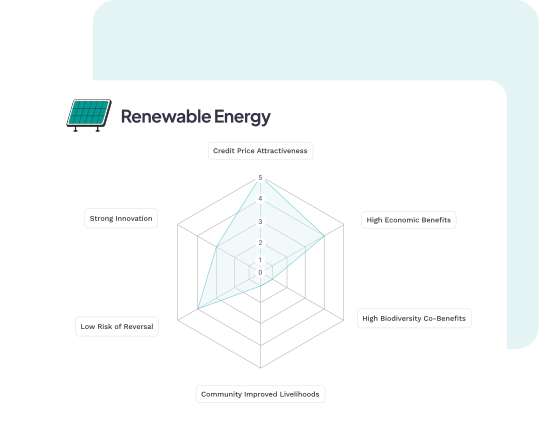
Integrating renewable energy projects into a broader climate contribution strategy enables companies to support the transition from fossil fuels to clean energy while delivering meaningful climate and development benefits. These scalable projects expand renewable energy access, decentralize power supply, strengthen energy security, create local employment, foster technical skills development, and unlock economic opportunities. They also improve air quality and health outcomes, although their biodiversity and community co-benefits are generally more limited than those of Nature-based Solutions.
By supporting renewable energy projects, companies contribute to climate action, community resilience, reduced reliance on fossil fuels, and the transition toward a low-carbon global economy.

 Expert Insight
Renewable energy projects play a critical role in accelerating the transition away from fossil fuels by delivering clean, low-carbon power from sources such as solar and wind. For companies, they offer an opportunity to support the decarbonization of energy systems while contributing to climate goals, energy resilience, and sustainable economic development. Alongside emissions reductions, these projects create local jobs, improve air quality, and generate lasting benefits for communities.
Danielle Parkinson
Carbon Project Analyst
Wind Farms
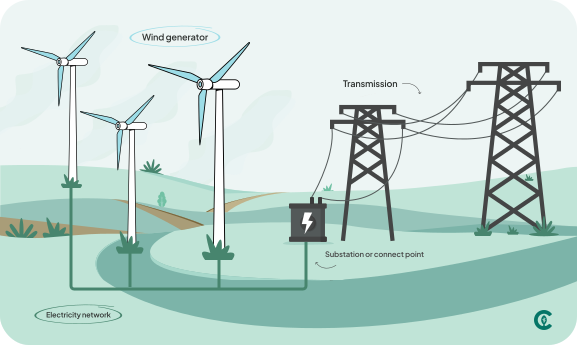
Wind power generates electricity by converting the kinetic energy of wind into mechanical energy through the rotation of turbine blades, which then drives generators connected to the electricity grid. As a low-carbon energy source, wind power produces no operational CO₂ emissions, and lifecycle emissions from turbine manufacturing are significantly lower than those associated with fossil fuel-based generation, such as coal power.
Beyond climate mitigation, wind energy projects create local employment opportunities during construction and operation, provide clean and reliable electricity to communities, and can also support local recreational and educational engagement around renewable energy infrastructure.

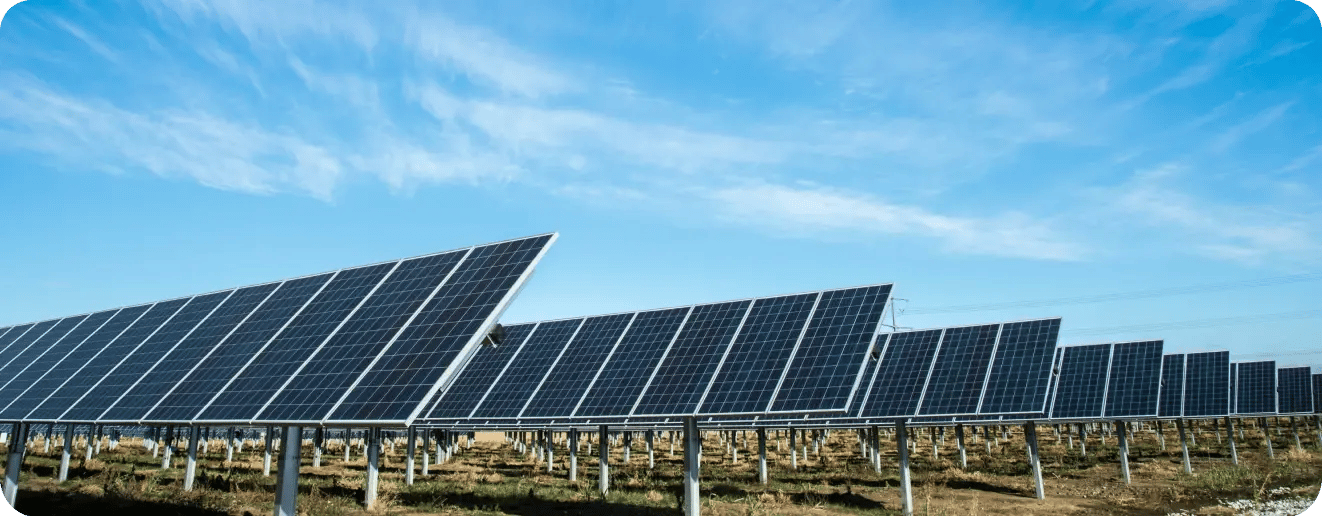
Solar Farms
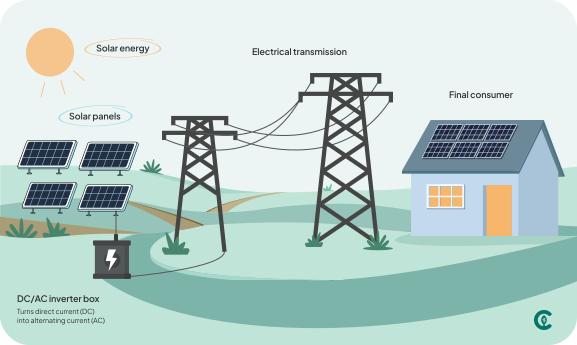
Solar power generates electricity by converting sunlight into energy through the photovoltaic effect, where solar panels transform light into an electrical current. As one of the most abundant renewable resources on Earth, solar energy availability varies depending on location, season, and time of day, but its overall potential remains vast on a global scale.
Beyond climate mitigation, solar projects provide clean electricity to communities and create local employment opportunities across installation, operation, and maintenance activities.
Hydroelectric Power Plants
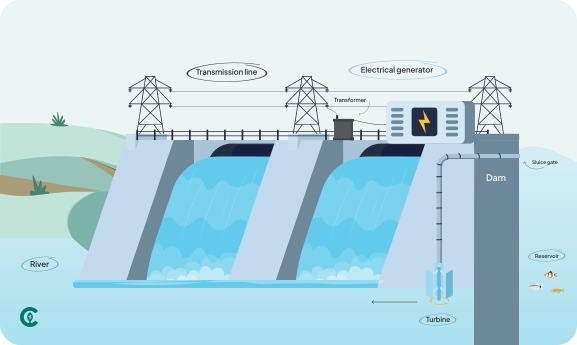
Hydropower generates electricity by harnessing the energy of flowing water to turn turbines, which drive generators connected to the electricity grid. As a reliable renewable energy source, it can produce electricity continuously, providing stable, baseload power independent of intermittent solar or wind availability.
Because it requires no fuel during operation, hydropower serves as a low-carbon source of energy, although some emissions may occur during construction. Beyond climate mitigation, hydropower projects create local employment opportunities during construction and operation, generate income for surrounding communities, and can also support agricultural development through improved irrigation systems.
Project Examples
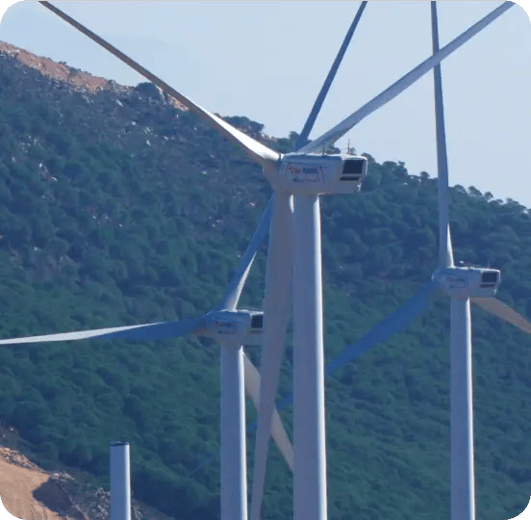
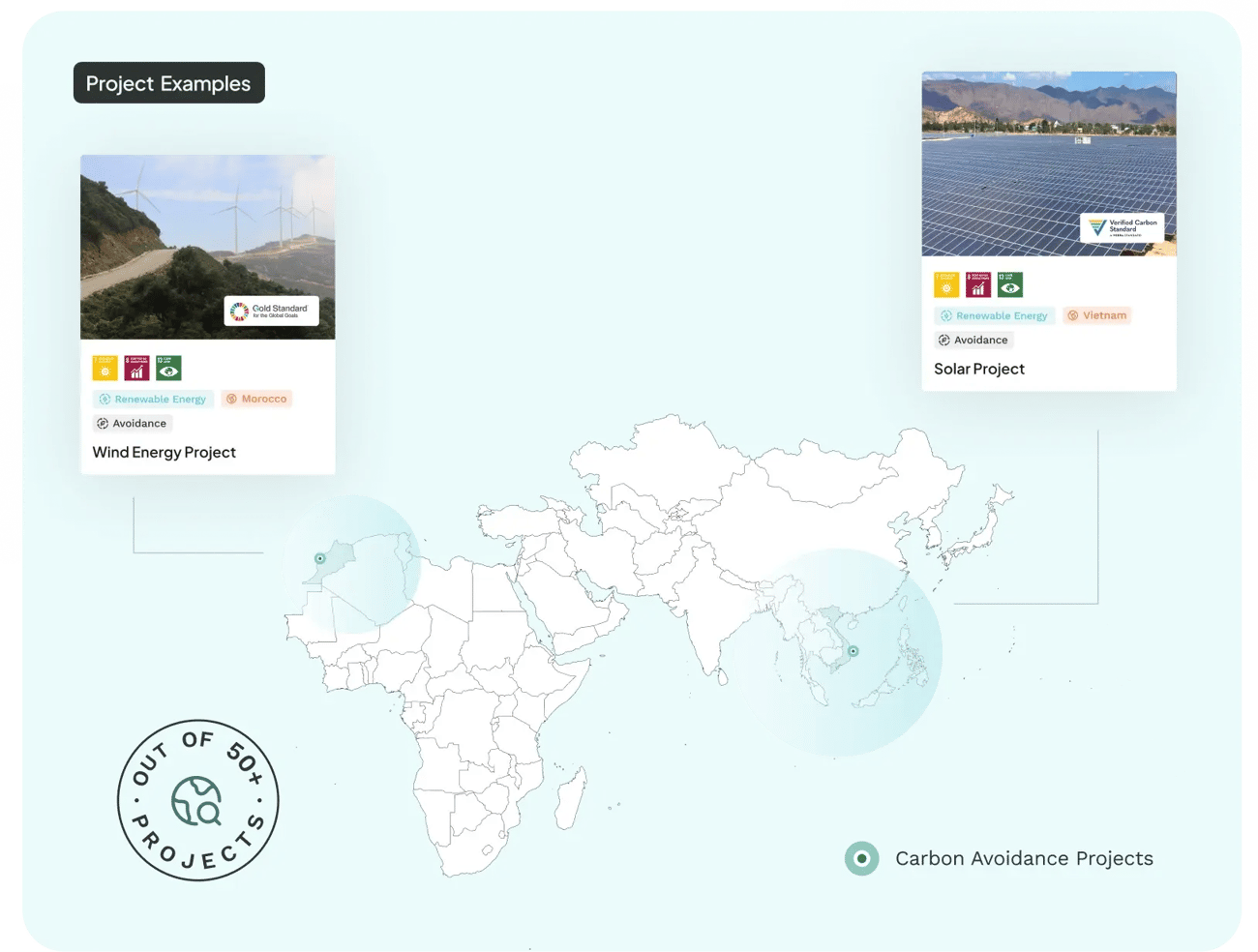
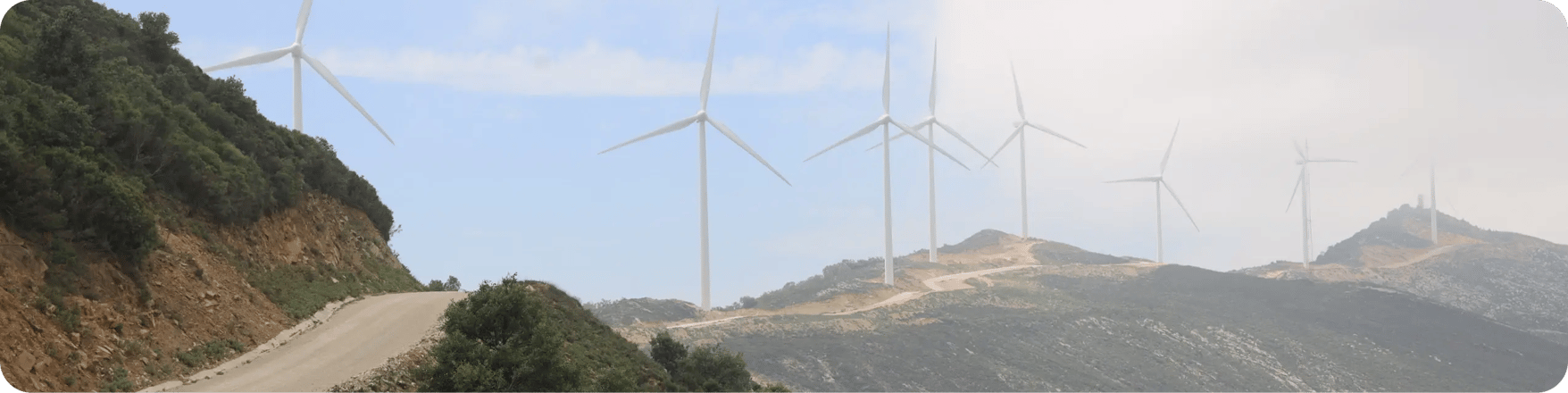
Wind Energy in Morocco
Carbon Avoidance Renewable Energy
By generating renewable electricity from wind resources, the project avoids emissions associated with conventional fossil fuel-based power generation and supports the transition towards a lower-carbon electricity system.
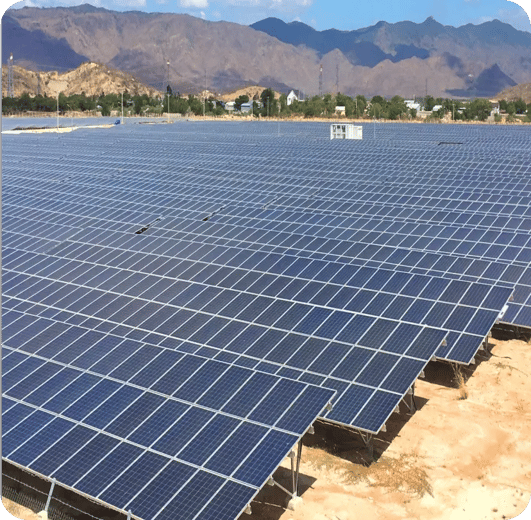
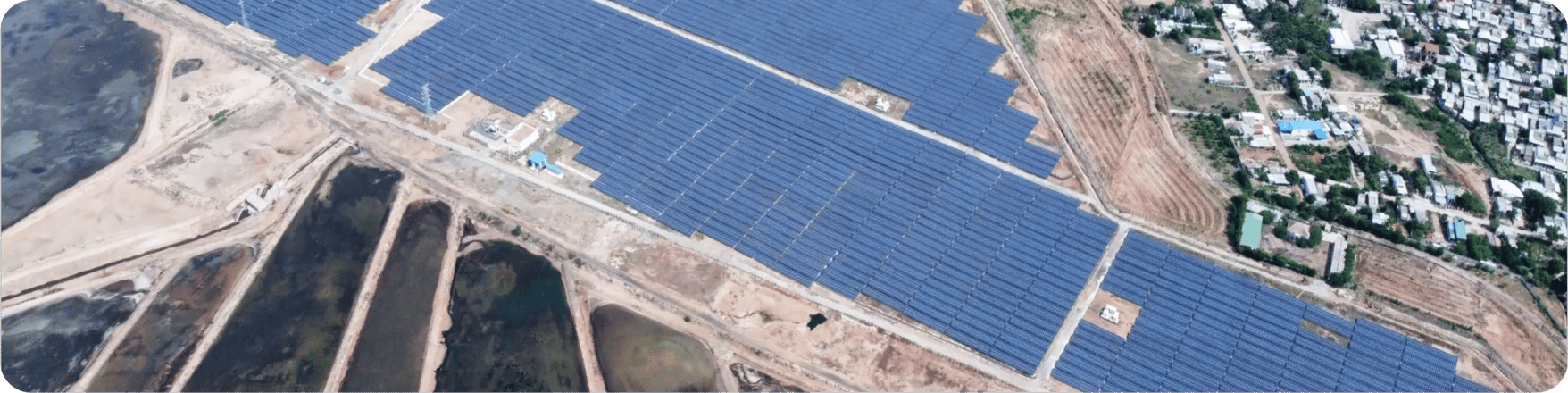
Solar Project in Vietnam
Carbon Avoidance Renewable Energy
The project contributes to the avoidance of greenhouse gas emissions by displacing electricity that would have otherwise been generated from fossil fuel-based power sources, including coal-fired power plants.