Forestry & Land Use
 Carbon Removal
 Carbon Avoidance
Nature-based Solutions for Corporate Net-Zero Strategies
Forestry and Land Use projects encompass a diverse portfolio of projects focused on the sustainable management and optimization of forest and land resources. These projects involve activities, such as forest management, timber production, agroforestry practices, and land-use optimization.
 Projects in Global Portfolio
 Locations
Company impact
By integrating Forestry & Land Use projects as part of a broader portfolio of high-quality climate projects, companies can contribute through Ongoing Emissions Responsibility (OER) approaches while preserving biodiversity hotspots, protecting forests, and combating deforestation.
Maximizing Sustainable Impact through Forestry & Land Use
 Emission reduction type: Avoidance &/or Removal
 Risk of reversal: High
 Permanence: Decades to one century
 Price range: From €4 to €100
By implementing sustainable forestry practices, these projects aim to balance economic, social, and environmental objectives. They contribute to carbon avoidance and removal by promoting forest growth, managing forest biomass, minimizing deforestation, and enhancing the overall health and resilience of forest ecosystems, and protecting local biodiversity.
Forestry and Land Use projects often involve collaboration with local communities, stakeholders, and, in some cases, governmental bodies to ensure long-term permanence.

Strengthening Ecological Integrity Ecosystem Services
Forestry and Land Use projects contribute to co-benefits that strengthen ecosystems & ecological integrity while benefiting local communities.


Biodiversity
Protecting & restoring wildlife habitats.

Social
Promoting community engagement & creating local job opportunities.

Environmental
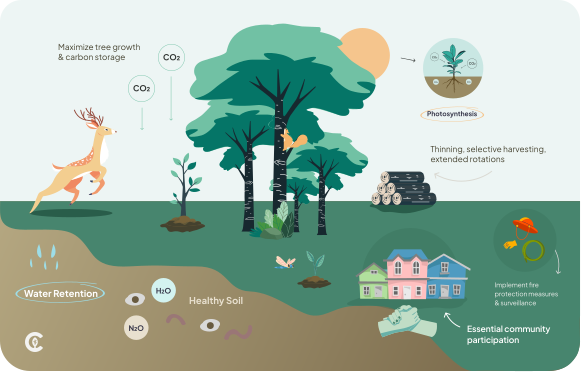
Enhancing ecosystem services, improving soil fertility, strengthening water cycling and retention, preventing excessive or illegal deforestation, and supporting conservation measures such as fire management.
Why Integrate Forestry & Land Use Projects into your Corporate Climate Strategy?
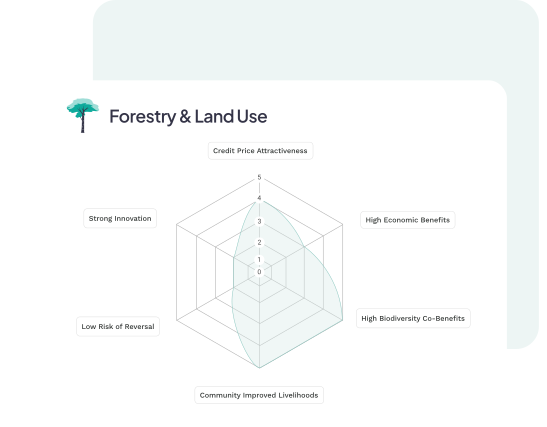
Forestry and Land Use projects capture carbon, curb deforestation, and restore ecosystems while strengthening biodiversity and delivering meaningful co-benefits across climate and nature. At the same time, they create tangible value for local communities by supporting livelihoods, generating jobs, and deepening the relationship between people, the land, and the Earth they rely on. This is further reinforced by attractive credit pricing, high economic value, low risk of reversal, and strong innovation potential.
For companies, these projects provide an opportunity to contribute to the protection and restoration of vital ecosystems. Contributions are critical to preserve biodiversity hotspots, protect primary and secondary forests, tackle deforestation, improve community livelihoods, and ultimately strengthen resilience and enhance climate adaptation.

 Expert Insight
Forestry & Land Use projects offer a practical way to address climate challenges while actively restoring and protecting biodiversity. They help regenerate ecosystems, strengthen habitats for wildlife, and improve the health of forest, soil, and water systems. At the same time, they create lasting value for the communities that depend on these landscapes, aligning ecological resilience with local livelihoods.
Alessandra Souroujon
Head of Project Portfolio
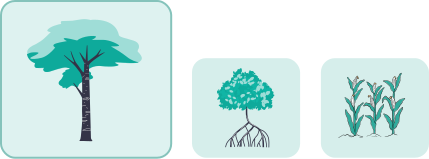
IFM: Improved Forest Management
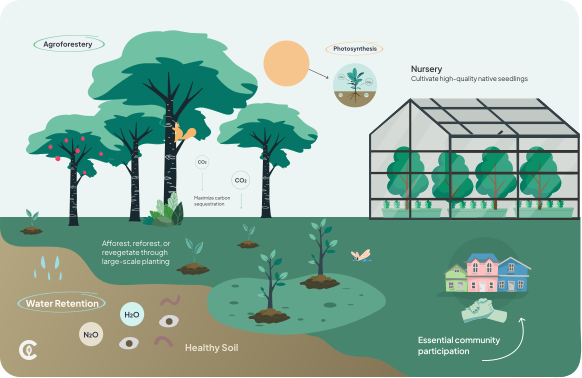
Improved Forest Management (IFM) projects enhance the carbon storage of existing forests through sustainable logging, reduced degradation (e.g. fire prevention, invasive species control), and targeted reforestation of degraded areas.
They increase CO₂ removal while protecting biodiversity and generating economic benefits via sustainable timber and ecosystem services. Many IFM projects involve collaboration with forest stakeholders, balancing environmental, social, and economic goals, and some are certified under standards such as FSC®.

ARR: Afforestation, Reforestation, & Revegetation
Afforestation, Reforestation, and Revegetation (ARR) projects create or restore forest and vegetation cover on non-forested or degraded land through tree planting and soil conservation.
They increase carbon removal, improve soil health, and strengthen ecosystem resilience, often involving community engagement, land-use planning, and long-term monitoring to ensure durability and success.
REDD+: Reducing Emissions from Deforestation & Forest Degradation
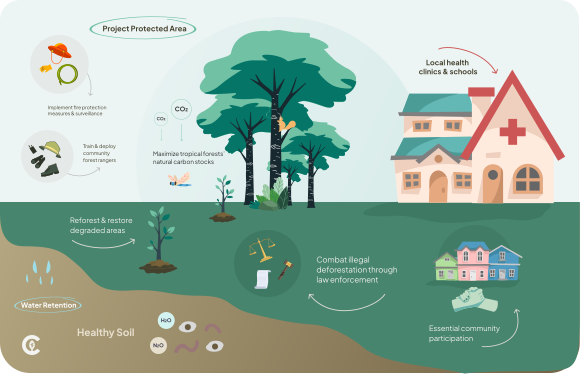
REDD+ projects work by implementing strategies to combat climate change through the preservation and restoration of forests, including tropical rainforests, which store high amounts of carbon and support rich biodiversity. These projects aim to reduce greenhouse gas emissions by preventing deforestation and degradation while promoting sustainable forest management practices. These projects are the results of either planned or unplanned deforestation threats.
REDD+ projects often involve providing financial incentives to local communities and landowners for maintaining their forests intact, thereby protecting biodiversity, indigenous rights, and ecosystem services.
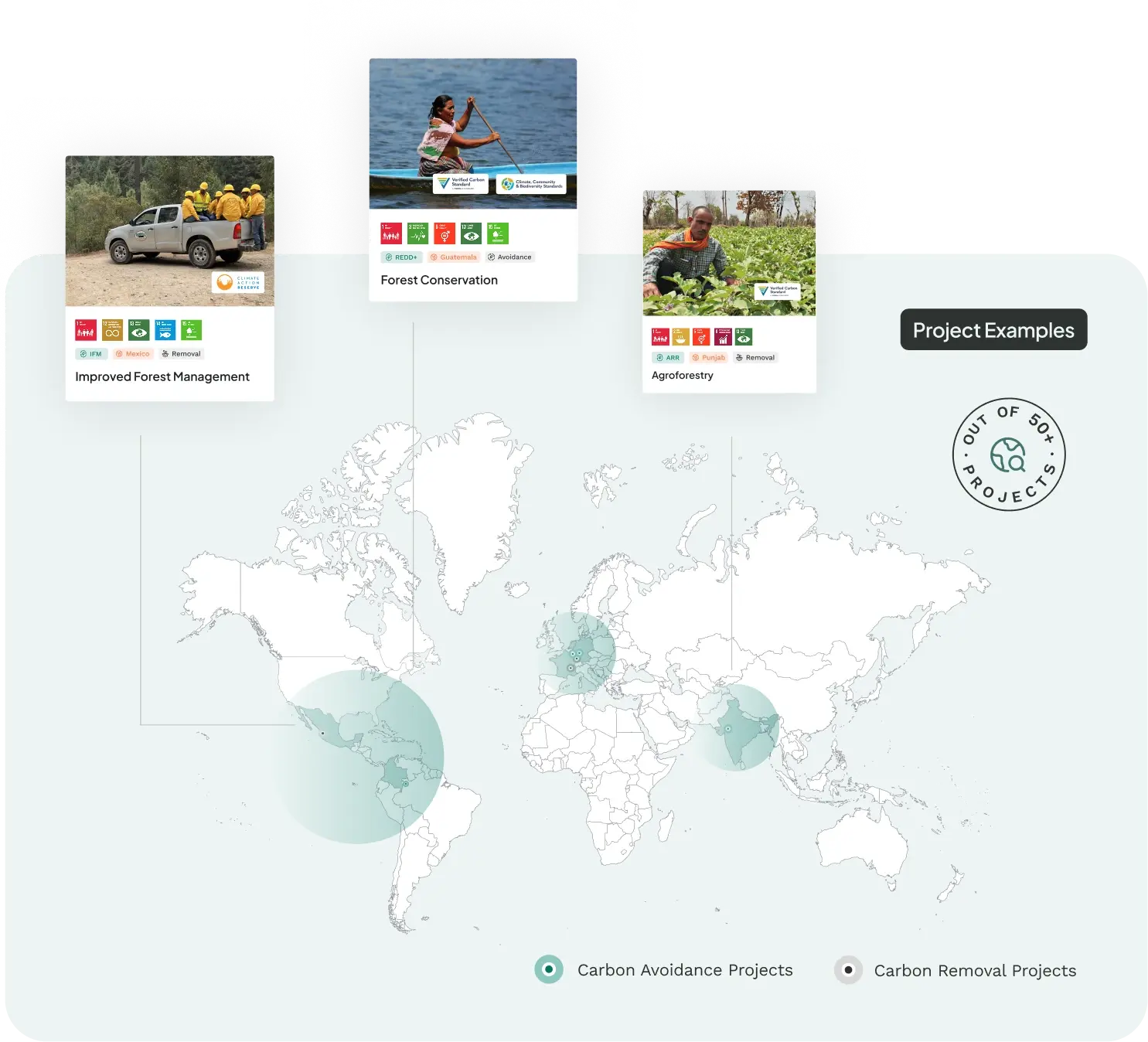
Project Examples
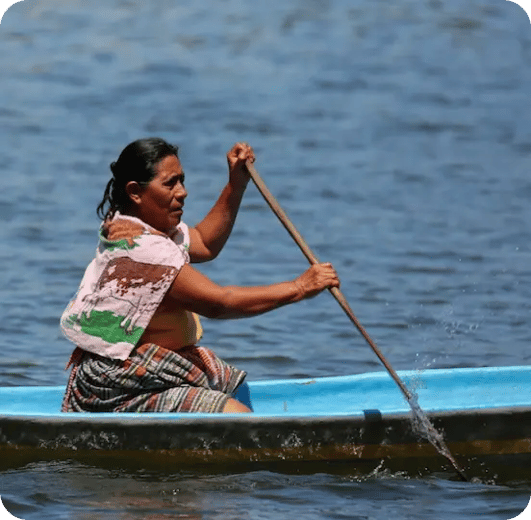
Forest Conservation in Guatemala
Carbon Avoidance REDD+

The project is the world's largest grouped forest-based carbon project and aims to develop sustainable activities that restore the forest and ensure a better livelihood for people and their families.

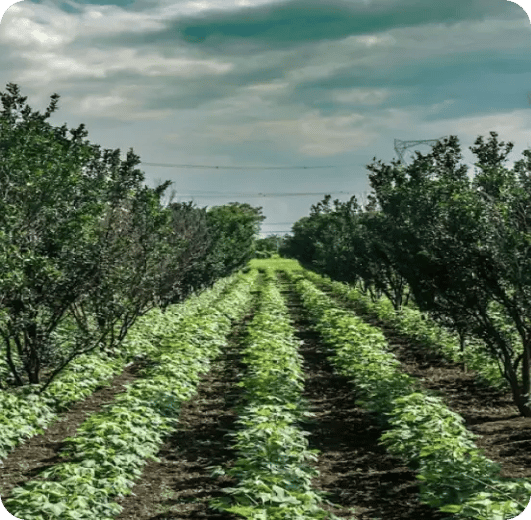
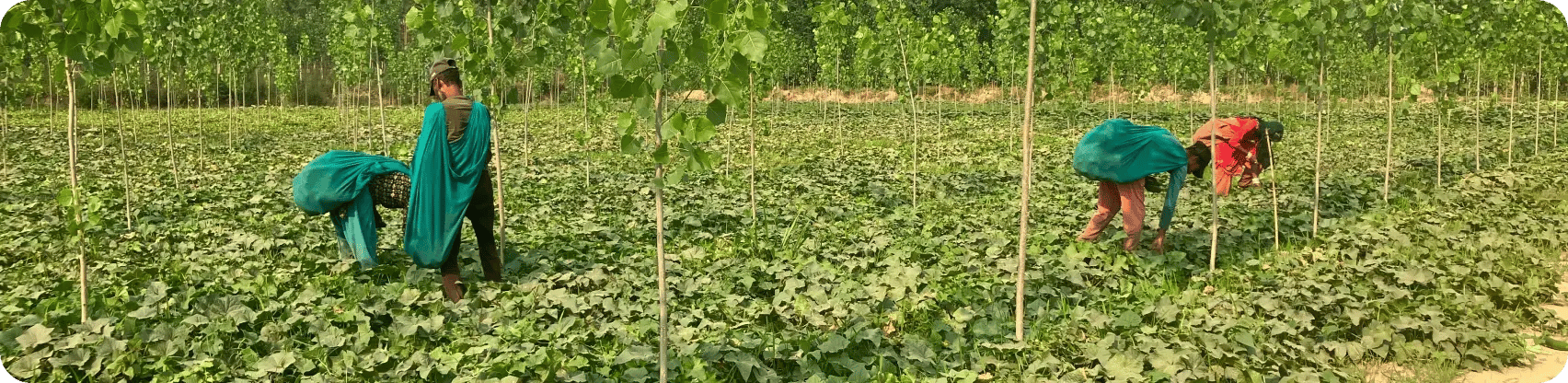
Agroforestry in Punjab
Carbon Removal ARR
Punjab, being primarily focused on agriculture, relies on a traditional rice-wheat cropping system that has played a pivotal role in ensuring India's food security.
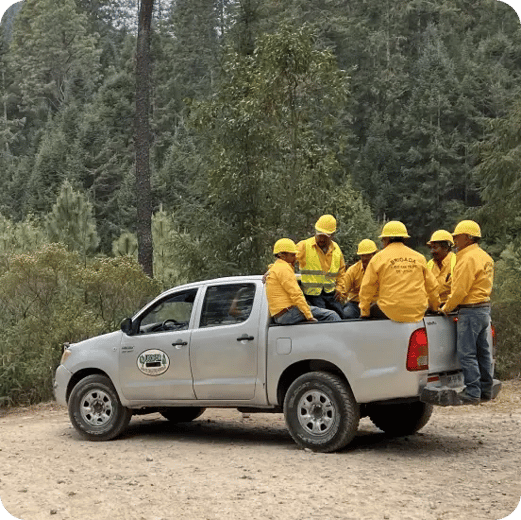
Improved Forest Management in San José del Rincón
Carbon Removal IFM
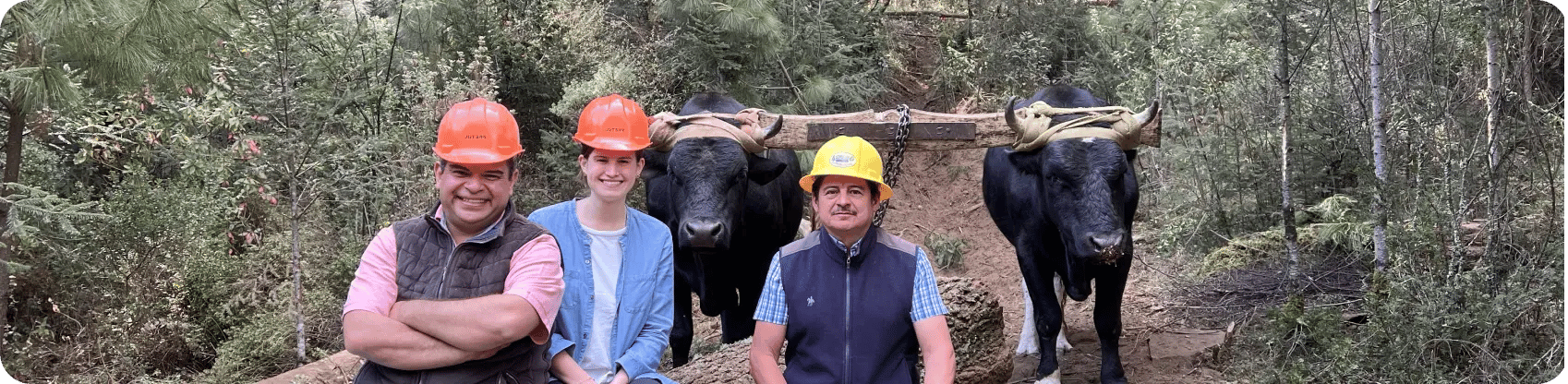
The project aggregates five Ejidos that carry out improved forest management activities and reforestation practices for commercial timber harvesting. The total project area includes 4,839 hectares of community-based forestland.