Composting Group Project in Kenya


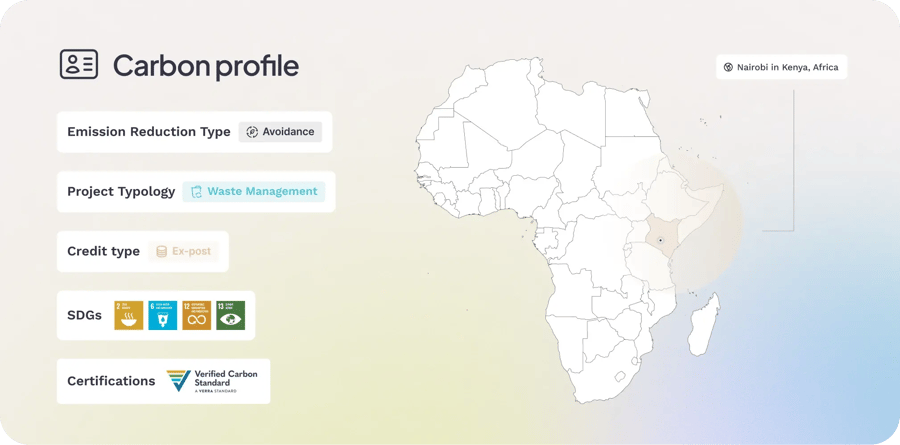
Transforming Organic Waste into Valuable Agricultural Products
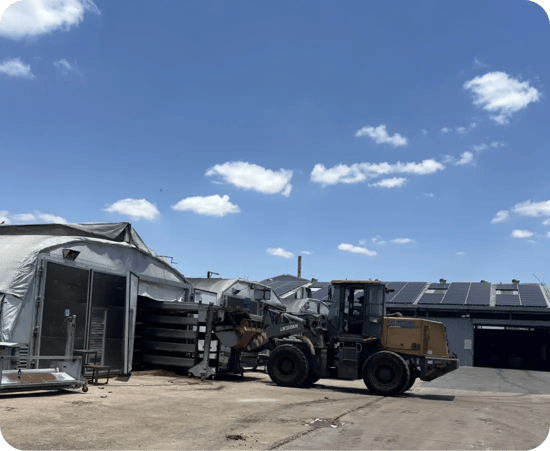
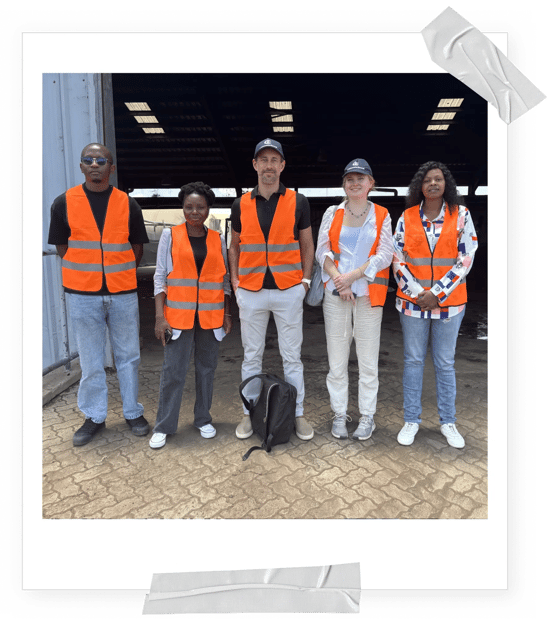
In October 2026, the ClimateSeed team visited Sanergy’s operations in Kenya to explore its circular economy model and how organic and sanitation waste is transformed into valuable resources for agriculture, animal feed and renewable energy.
Each year, approximately 1.5 million tonnes of organic and sanitation waste go untreated in East African cities, including Nairobi, releasing methane and creating major environmental and public health challenges. In Nairobi alone, over 2 million people live in informal settlements with limited access to adequate sanitation and waste management services.
Sanergy addresses these challenges by diverting waste from uncontrolled decomposition and converting it into valuable agricultural and industrial products. This approach reduces greenhouse gas emissions while supporting sustainable resource management, local livelihoods and agricultural productivity.
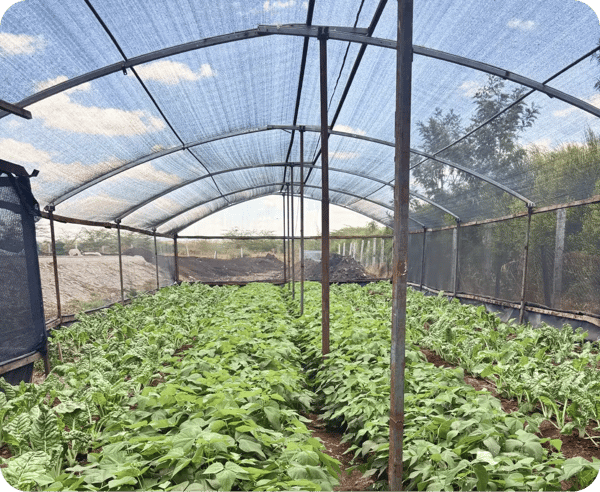
Waste Management: Transforming Waste into Valuable Resources
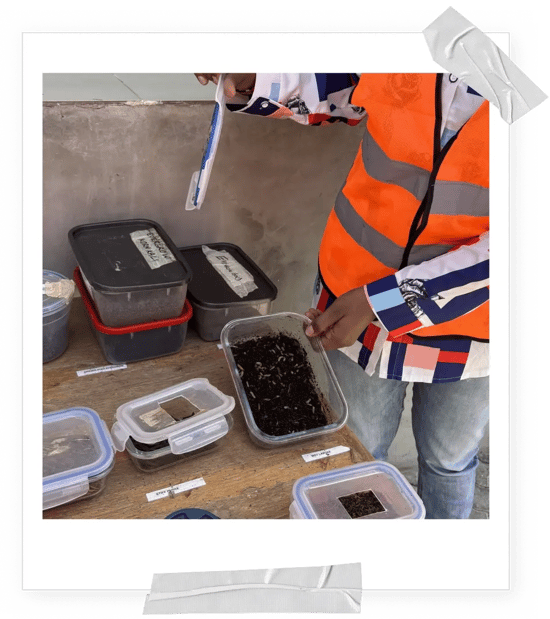
The Sanergy Composting Group Project collects and processes various organic and biomass waste streams, including food waste, wood dust, sugarcane bagasse, slaughterhouse waste and human sanitation waste. Organic waste is pre-treated using Black Soldier Fly (BSF) larvae, producing protein-rich larvae for animal feed and a residual material called frass. The frass is then composted to produce organic fertilizer for local farmers or compressed into biomass briquettes, used on-site or sold to local industries as an alternative fuel for industrial boilers.
As part of its circular economy model, Sanergy also produces biochar through biomass pyrolysis, contributing to long-term carbon removal and agricultural applications. This activity is registered as a separate carbon removal project under Puro.earth’s Biochar Methodology, Edition 2025.
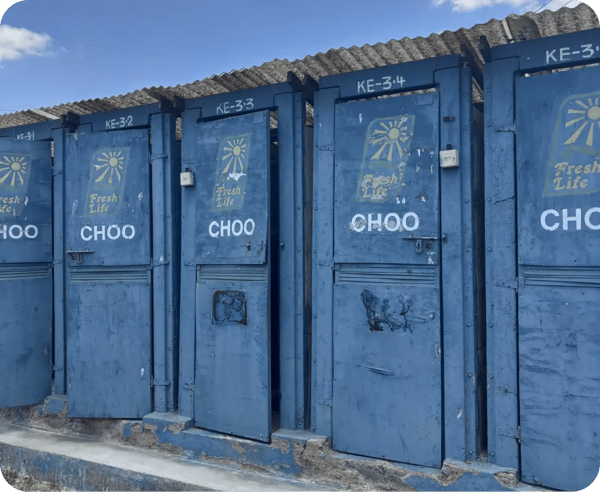
From Waste Collection to Impact
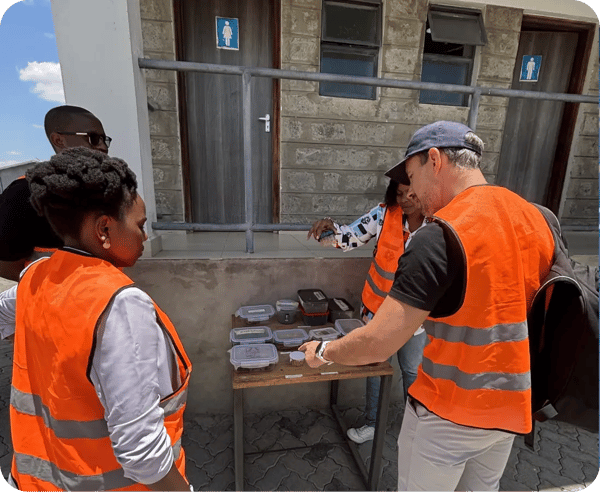
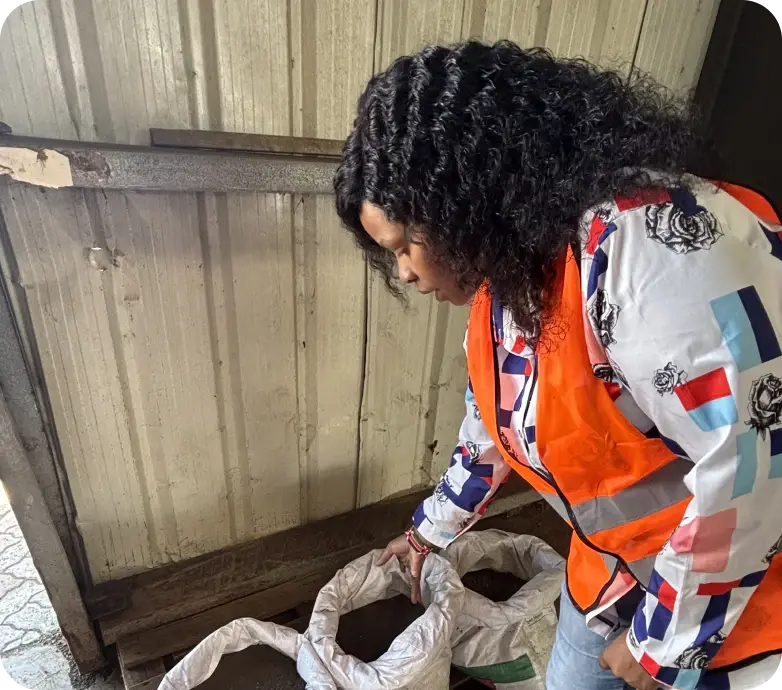
During our October 2026 visit, the ClimateSeed team gained insights into Sanergy’s operations and its circular economy model, from waste collection to the production of valuable agricultural and industrial resources.
Beyond reducing emissions, Sanergy generates wider environmental and social benefits. Its organic fertilisers and insect-based protein provide alternatives for local farmers, while biomass briquettes offer an alternative to firewood and fossil fuels. Its sanitation services also help address waste management challenges in underserved communities. The visit highlighted how these interconnected activities create environmental, social and economic benefits across the value chain.
Carbon Finance
Supporting Sustainable Waste Management
Carbon finance supports the sustainability and expansion of Sanergy’s waste management and sanitation services. Revenue from carbon credit sales helps maintain affordable sanitation services in informal settlements and makes sustainable agricultural products more accessible to local farmers.
The project generates carbon credits by avoiding methane emissions from untreated organic and sanitation waste. Additional climate benefits come from replacing conventional animal feed, synthetic fertilisers and fossil fuels with insect-based protein, organic fertiliser and biomass briquettes. Sanergy’s wider activities also include biochar production, contributing to long-term carbon removal. Through carbon finance, Sanergy combines emissions reductions with improved sanitation, resource recovery and sustainable agricultural practices.
Key Impacts
The Sanergy Composting Group Project combines greenhouse gas emissions reductions with environmental and socioeconomic benefits, contributing to several United Nations Sustainable Development Goals (SDGs).
SDGs including


No Poverty
By reducing expenditure on fuel and supporting higher agricultural productivity, solar irrigation can help farmers improve their incomes and livelihoods.
Smallholder farmers are able to reduce expenditure on fuel that would otherwise be required to operate conventional pumps. In addition, increased agricultural productivity enables farmers to increase their incomes, including through the cultivation of higher-value crops.
Zero Hunger
More reliable access to irrigation water allows farmers to grow crops beyond the rainy season, supporting agricultural productivity and food security.
Increased access to reliable irrigation enables farmers to increase agricultural productivity and extend cultivation across different seasons, contributing to improved household and community food security.
Gender Equality
Access to solar-powered irrigation can reduce the time and physical effort required for manual watering, helping reduce the burden of agricultural work, including for women.
By reducing the time, labour, and financial resources required for agricultural production and water access, the project reduces some of the burdens disproportionately experienced by women. Improved access to reliable irrigation also supports women's participation in agricultural activities, income generation, and household decision-making.

Affordable & Clean Energy
The project provides smallholder farmers with a renewable alternative to conventional fuel-powered irrigation pumps, reducing reliance on petrol and diesel.
SunCulture's Pay-as-you-Grow payment model improves access to solar-powered irrigation technologies by making the cost more manageable for smallholder farmers. Carbon finance further supports affordability by helping to reduce the cost of the pumps.

Climate Action
Replacing fossil-fuel-powered pumps with solar irrigation systems avoids greenhouse gas emissions while helping farmers adapt to increasingly unpredictable weather conditions.
Through its combination of solar technology, carbon finance and support for smallholder farmers, SunCulture demonstrates how climate action can deliver practical benefits for both the environment and local communities.
Sanergy: Transforming Waste into Valuable Resources
The Sanergy Collaborative is a Kenyan group of organisations developing circular economy solutions through sanitation, waste management and resource recovery. Fresh Life provides affordable sanitation services in Nairobi’s informal settlements, while Regen Organics transforms organic and sanitation waste into organic fertiliser, insect-based animal feed and biomass briquettes. The group also produces biochar and manages carbon projects through Circular Impact, including its Verra-registered methane avoidance project.
By connecting waste management with agriculture and industry, Sanergy promotes resource efficiency, creates local economic opportunities and reduces the environmental impacts of untreated waste.
Supporting Sustainable Waste Management Through Carbon Finance
ClimateSeed supports Sanergy's composting and waste management project through its climate contribution portfolio. The project demonstrates how carbon finance can support the development of sustainable waste management infrastructure while generating measurable emissions reductions and positive social impacts.
Through the sale of carbon credits, the project can maintain affordable sanitation services in underserved communities and support access to more sustainable agricultural products for local farmers. By supporting projects that transform waste into valuable resources, ClimateSeed contributes to climate solutions that combine emissions reductions with tangible environmental and socioeconomic benefits.
Ferrari
The sustainable community & innovative initiative project

Autonomy
The largest trade show dedicated to sustainable urban mobility
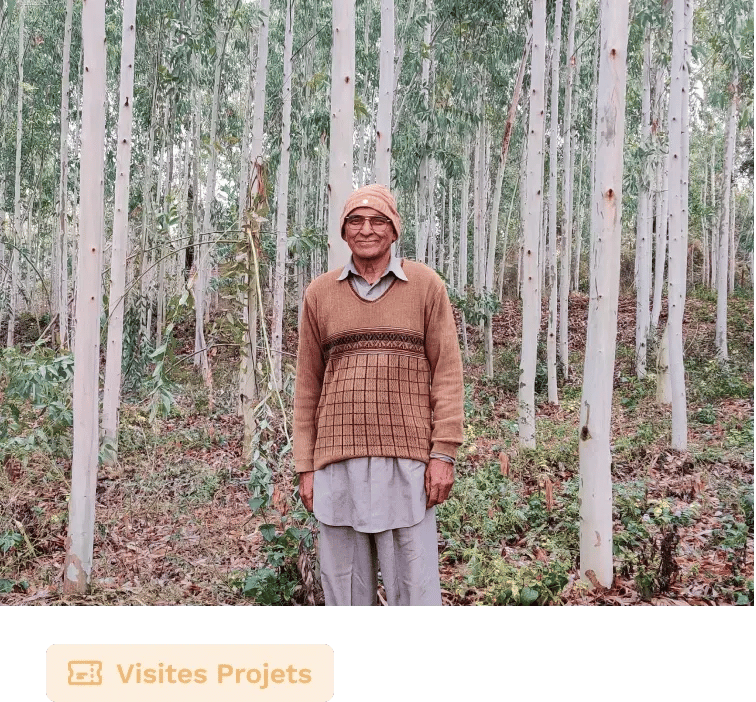
Agroforestry in Punjab
Discover our tour of India
ChangeNow
The biggest event organized for the planet
Women's forum
Highlight the link between climate change and equality
Conservation & restoration of mangroves
Discover our visit to Mexico
Wool and the Gang
The company with a unique approach to craftsmanship
EuroAirShip
Pioneer in sustainable development in aviation

Will Solutions
The company with a unique approach to craftsmanship