What is the Portfolio Approach?  

A rigorous, high-integrity climate contribution strategy relies on a balanced portfolio of high-quality verified carbon projects.

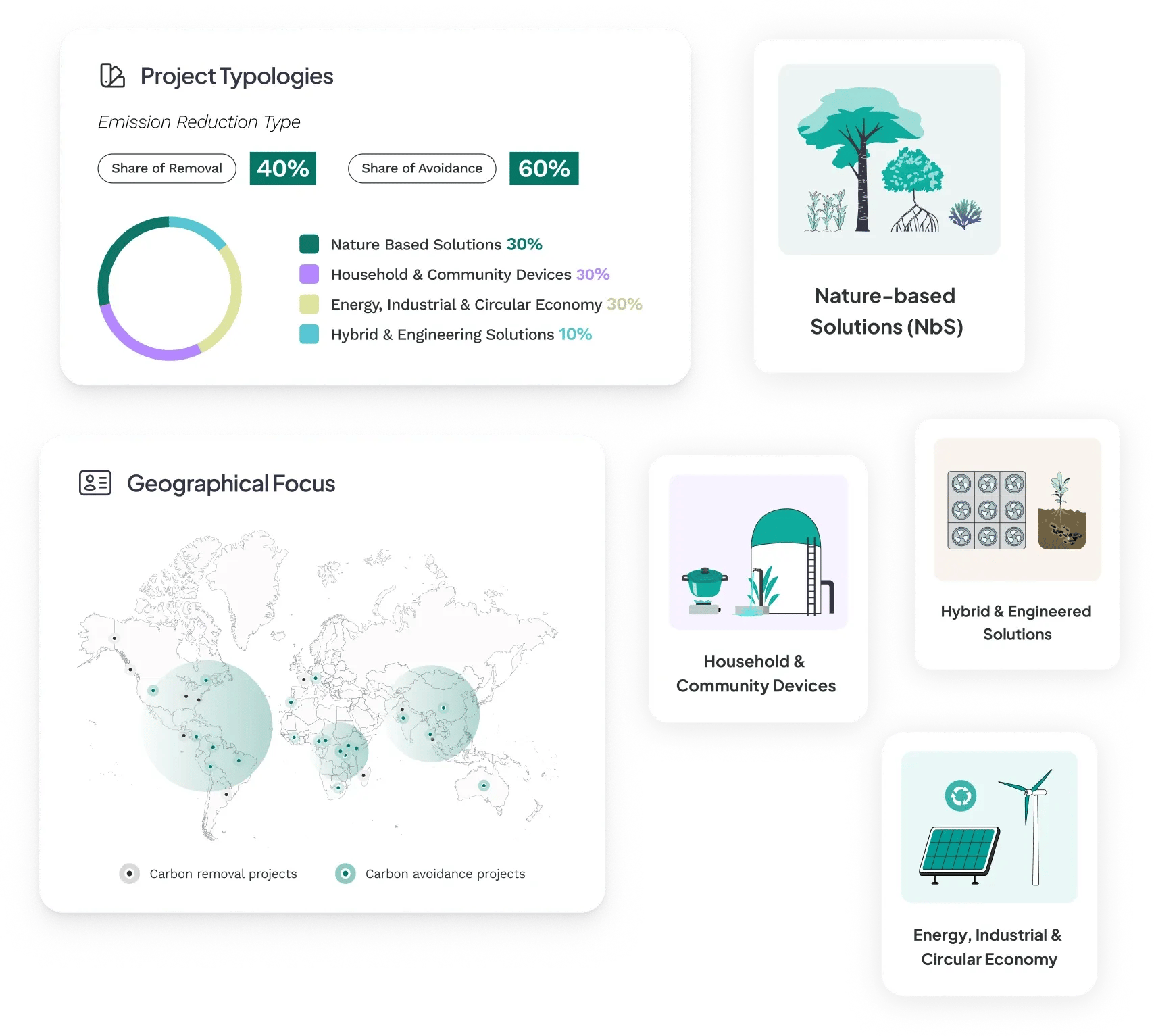
Rather than relying on a single project, a portfolio approach diversifies your credit procurement across targeted project typologies, geographies, co-benefits, and impact metrics. Since every project carries distinct strengths and risk profiles, this strategy allows organizations to build a tailored mix that maximizes climate impact, optimizes budget, and mitigates risk.

Graph_Portfolio_Hero_EN

Why Adopt a Portfolio Approach? 

Adopting a portfolio approach transforms your carbon strategy into a distinct competitive advantage. It helps you align with evolving frameworks, such as SBTi’s Corporate Net-Zero Standard Version 2.0 (SBTi’s CNZS V2.0), ISO/DIS 14060 Standard for Net Zero Aligned Organizations, CRCF, and tackle your Ongoing Emissions Responsibility (OER) through a strategic approach that optimizes your climate contribution budget and builds long-term impact. 

A well-designed portfolio is dynamic and evolves alongside your strategic priorities, allowing your organization to anticipate changing guidelines and regulations to build long-term corporate resilience.

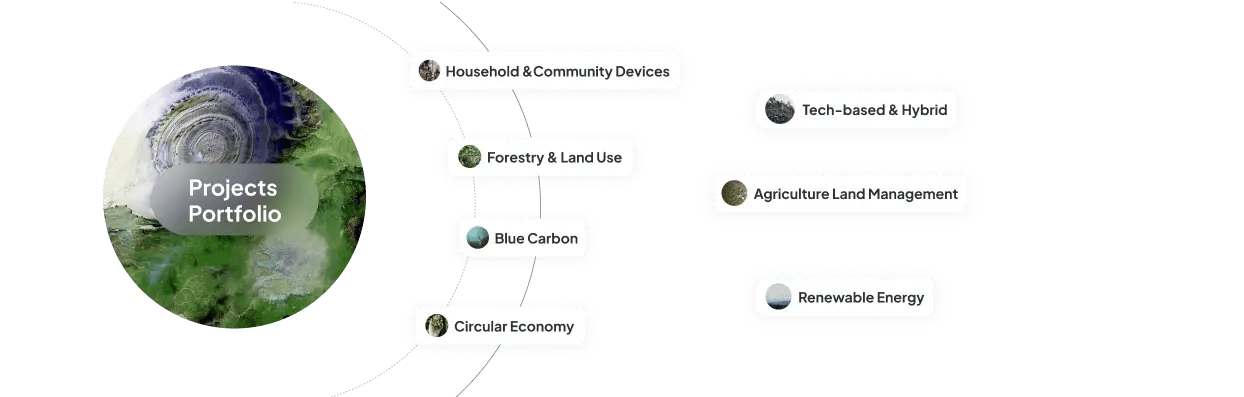
Map_portfolio (1)
Dynamic Portfolio Balancing

Dynamic Portfolio Balancing

Align with SBTi and OER by building a dynamic and balanced carbon project portfolio that gradually increases your investments in permanent removal solutions over time.

Certified Carbon Credits

Certified Carbon Credits

Reinforce your climate contribution by including ICVCM CCP-approved carbon credits.

Budget Optimization

Budget Optimization

Maximize your budget by balancing different project types with diverse price points.

Verified Impact Projects

Verified Impact Projects

Maximize your impact by supporting a broader range of high-quality carbon projects with verified environmental and social outcomes.

Long-Term Agreements

Long-Term Agreements

Strengthen your competitive advantage by anticipating long-term needs and engaging in long-term agreements to secure volume, ensure quality, and lock in pricing.
Icon-2

Dynamic Portfolio Balancing

Align with SBTi and OER by building a dynamic and balanced carbon project portfolio that gradually increases your investments in permanent removal solutions over time.

Icon-1

Certified Carbon Credits

Reinforce your climate contribution by including ICVCM CCP-approved carbon credits.

Icon-3

Budget Optimization

Maximize your budget by balancing different project types with diverse price points.

Icon

Verified Impact Projects

Maximize your impact by supporting a broader range of high-quality carbon projects with verified environmental and social outcomes.

Icon-4

Long-Term Agreements

Strengthen your competitive advantage by anticipating long-term needs and engaging in long-term agreements to secure volume, ensure quality, and lock in pricing.

Graph Simulator Portifolio EN

Simulate your Carbon Portfolio

How Can ClimateSeed Support You in Building a Carbon Project Portfolio?


At ClimateSeed, we provide organizations end-to-end guidance to navigate carbon procurement with confidence, rigor, and regulatory alignment. We coordinate every step of the contribution strategy, from project selection and due-diligence to ongoing project monitoring, credit retirement, and communication support. 


Together with our experts, we help you identify the right balance of project typologies, geographies, and impact metrics, enabling you to build a tailored portfolio. The result is a diversified, high-performing portfolio aligned with your business near and long-term targets, budget constraints, and sustainability strategy.

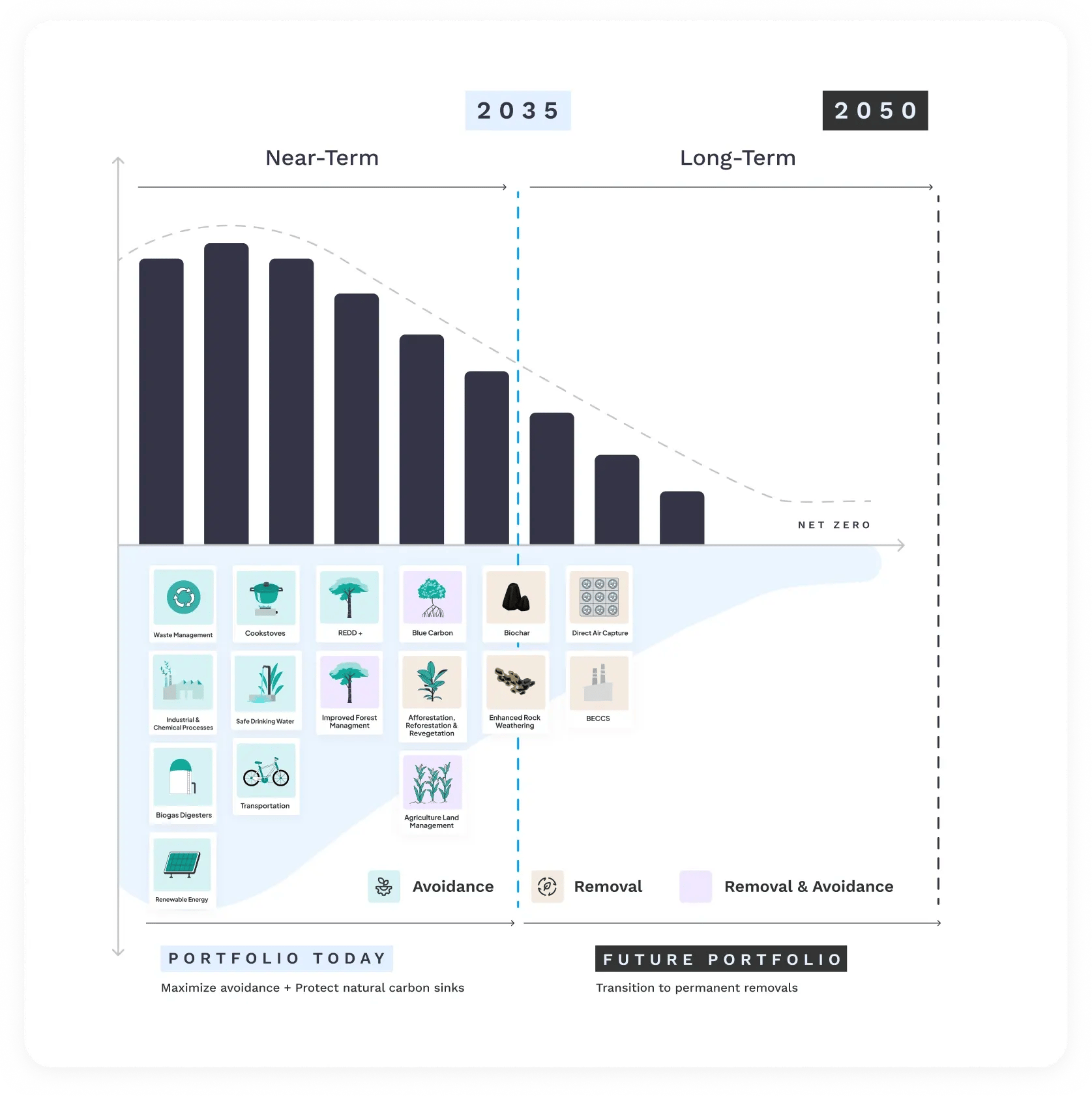
Graph_SBTi_Portfolio_EN
Get started

Ready to Build your Climate Project Portfolio?

Discover the key principles and criteria to build a diversified portfolio of high-quality climate projects, designed around your impact objectives, budget, and long-term goals.

Q&As


1. What factors should I consider when building a carbon project portfolio?
A well-designed portfolio can balance several criteria, including project typologies, geographies, removal vs. avoidance credits, project quality, co-benefits, impact metrics, and price. The optimal mix depends on your organization’s climate targets, budget constraints, risk appetite, and long-term strategy.
2. How does a portfolio approach help manage risks in carbon procurement?

Diversifying across multiple projects, geographies, and typologies reduces exposure to project-specific risks, such as changes in availability, price volatility, methodology updates, or regulatory requirements. A dynamic portfolio allows organizations to adapt their strategy as market standards and corporate frameworks evolve.

3. How can I build a portfolio aligned with SBTi and OER?

A portfolio approach helps organizations address their Ongoing Emissions Responsibility (OER) by balancing near-term impact with long-term Net-Zero goals. In the near-term, the objective is to maximize immediate atmospheric benefits, protect vital natural ecosystems, and build internal procurement maturity. Over the long term, the strategy transitions your portfolio toward high-durability, permanent carbon removals to neutralize residual emissions as your target year approaches. ClimateSeed guides you in building a roadmap that seamlessly aligns your budget and emissions profile with evolving SBTi requirements.

Back to top

Explore our Resources

You May Also Like