Blue Carbon
 Carbon Removal
 Carbon Avoidance
Nature-based Solutions for Corporate Net-Zero Strategies
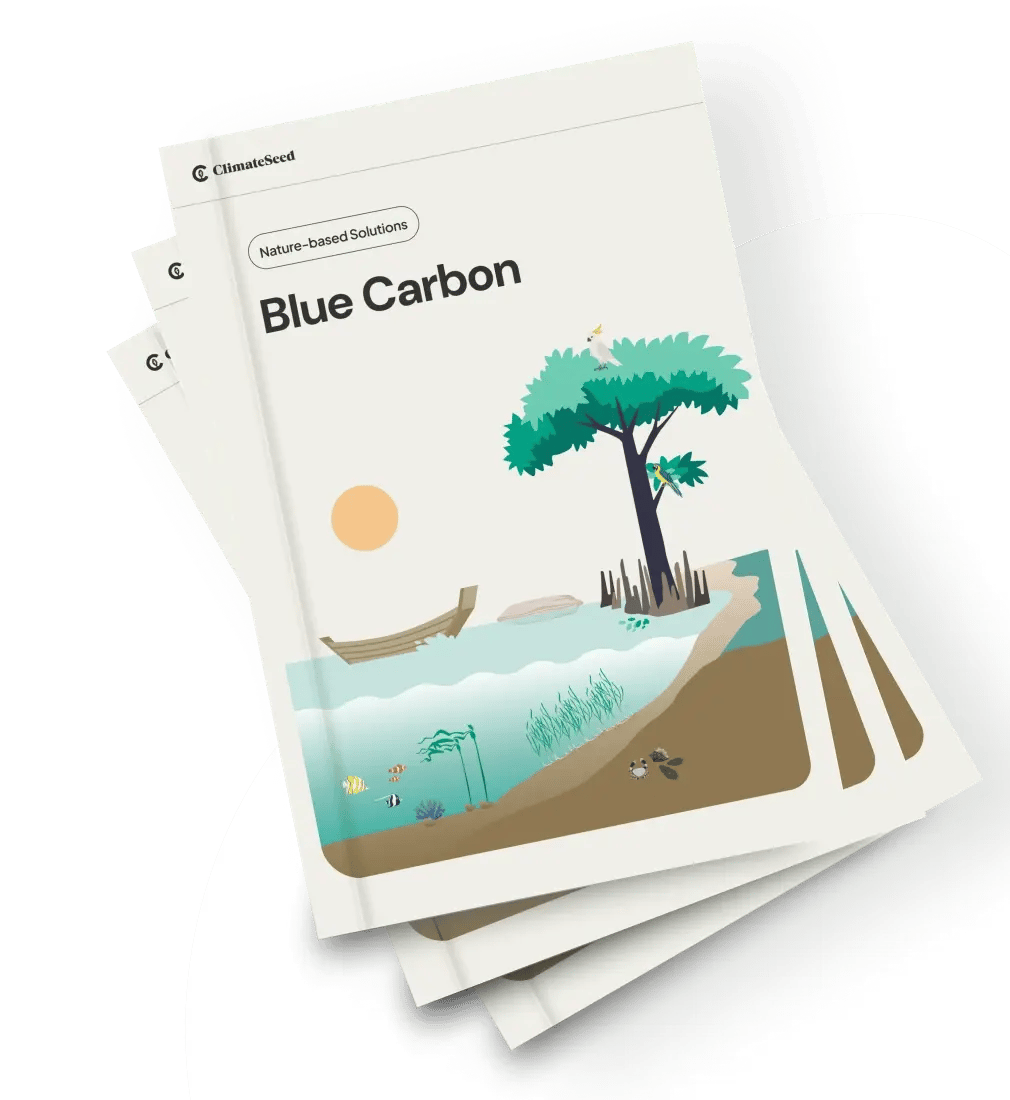
Blue Carbon projects are dedicated to protecting, rehabilitating, and conserving wetland ecosystems, including marshes, swamps, peatlands, mangroves, and other ocean and coastal ecosystems. These projects focus on restoring hydrological flows, conserving biodiversity, and enhancing ecosystem services provided by wetlands.
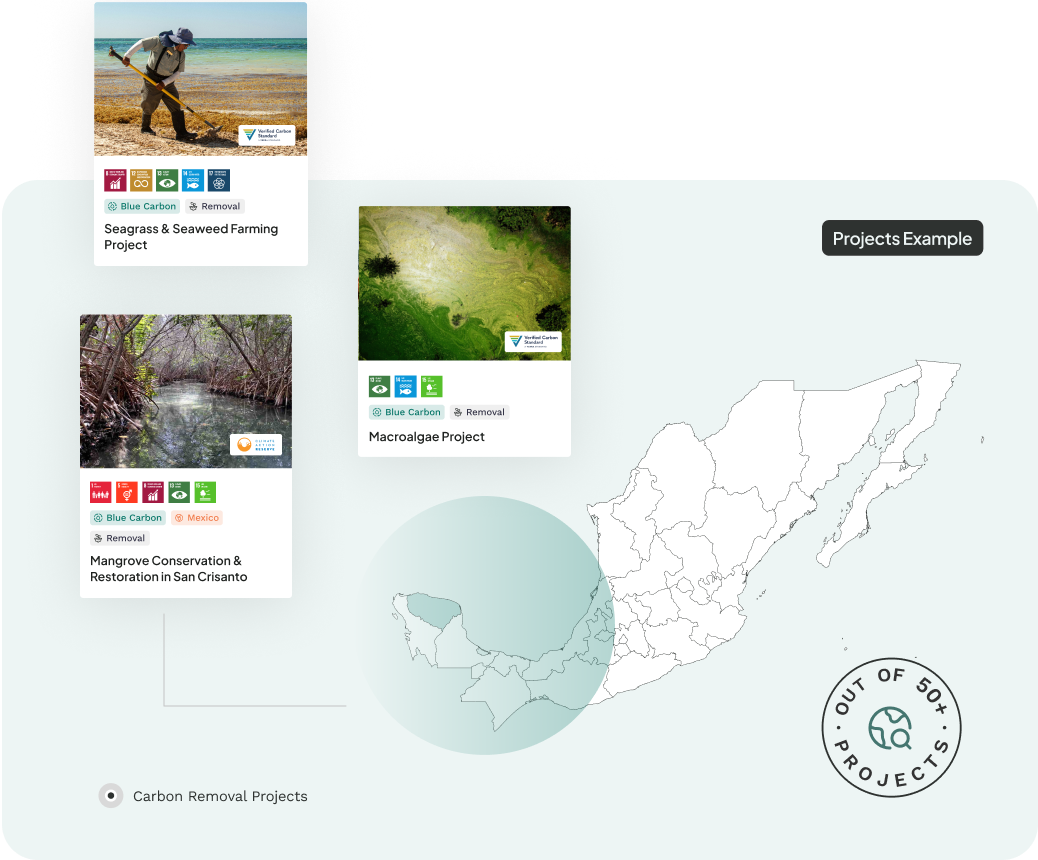
 Projects in Global Portfolio
 Locations
Company impact
By integrating Blue Carbon projects as part of a broader portfolio of high-quality climate projects, companies can contribute through Ongoing Emissions Responsibility (OER) approaches while enhancing coastal protection, regulating water quality, and supporting biodiversity.
Maximizing Sustainable Impact through Blue Carbon Projects
 Emission reduction type: Avoidance &/or Removal
 Risk of reversal: High
 Permanence: Decades to one century
 Price range: From €20 to €40
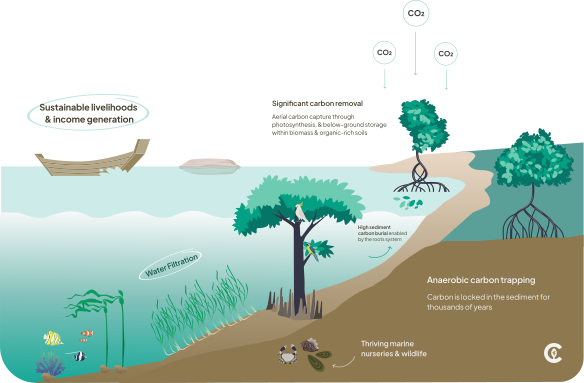
Blue carbon projects involve measures such as re-establishing natural water flows, preventing pollution, and controlling invasive species. These projects contribute to carbon removal by restoring wetlands, as wetlands store large amounts of carbon in their vegetation and soils.
Beyond carbon storage, blue carbon ecosystems help regulate water quality, prevent flooding, support wildlife habitats, and provide recreational and educational opportunities for local communities. These projects can generate both carbon removal and avoidance carbon credits.

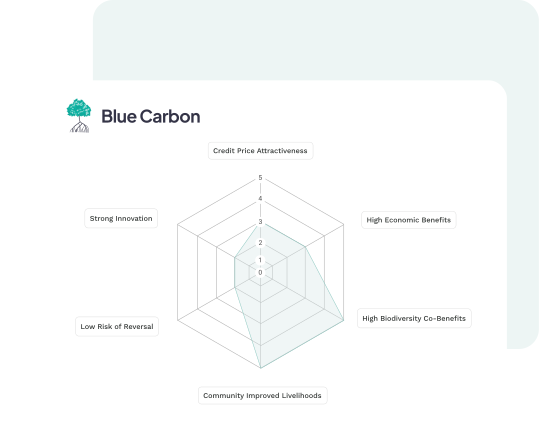
Strengthening Ecological Integrity & Ecosystem Services
Blue carbon projects generate co-benefits that strengthen ecosystem integrity and support local communities and clean water sources.


Biodiversity
Protect critical marine & coastal habitats, support biodiversity & nursery ecosystems.

Social
Community engagement, support for food security through fisheries & aquaculture, job creation & economic opportunities.

Environmental
Support clean water sources, act as carbon sinks, mitigate natural disasters, protect against coastal erosion & flooding & provide cooling.
Why Integrate Blue Carbon Projects into your Corporate Climate Strategy?
Blue carbon projects protect and restore coastal ecosystems such as mangroves, salt marshes, and seagrasses. These highly carbon-dense environments capture and store atmospheric CO₂ while preventing emissions from disturbed sediments, delivering long-term climate benefits. Beyond their climate impact, they enhance biodiversity, improve water quality, strengthen coastal resilience to flooding and erosion, and create sustainable livelihood opportunities for local communities.
For companies, supporting blue carbon projects is an opportunity to help protect and restore some of the world's most valuable coastal ecosystems. These projects contribute to biodiversity conservation, strengthen natural coastal defenses, improve ecosystem health, and empower local communities through sustainable resource management, while safeguarding critical carbon sinks that support climate resilience and adaptation.

 Expert Insight
Blue carbon projects are some of the most impactful Nature-based Solutions available today. By restoring vital wetlands like mangroves and peatlands, we protect Earth's most powerful carbon sinks while boosting biodiversity & coastal resilience. This is climate action at its best, delivering lasting mitigation & adaptation benefits for both nature and people.
Alessandra Souroujon
Head of Project Portfolio
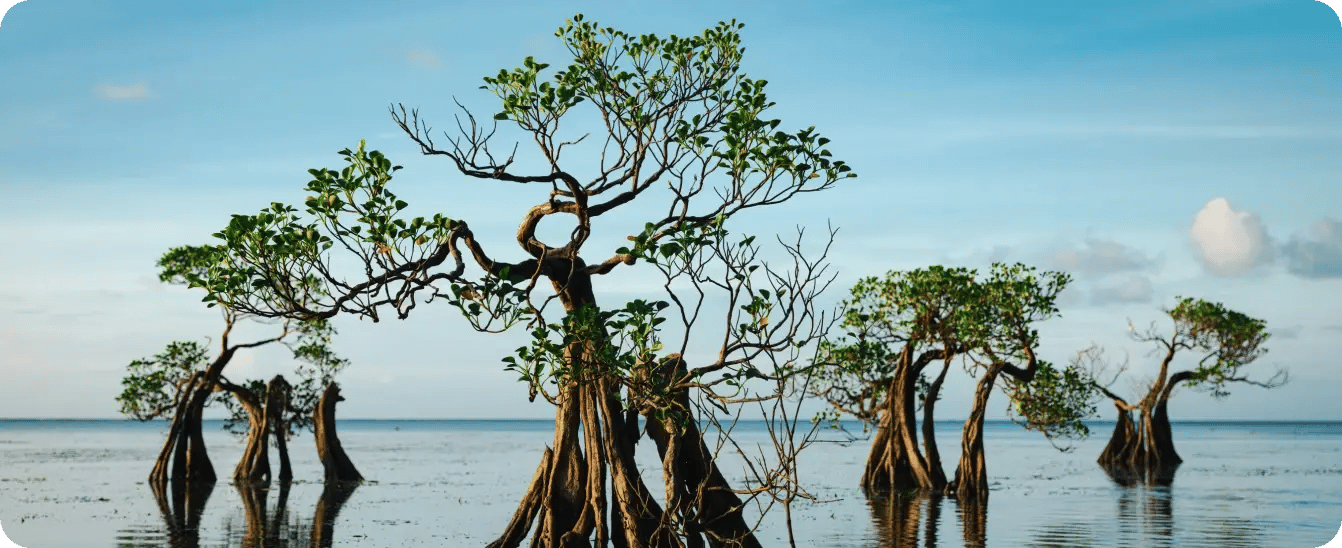
Mangroves
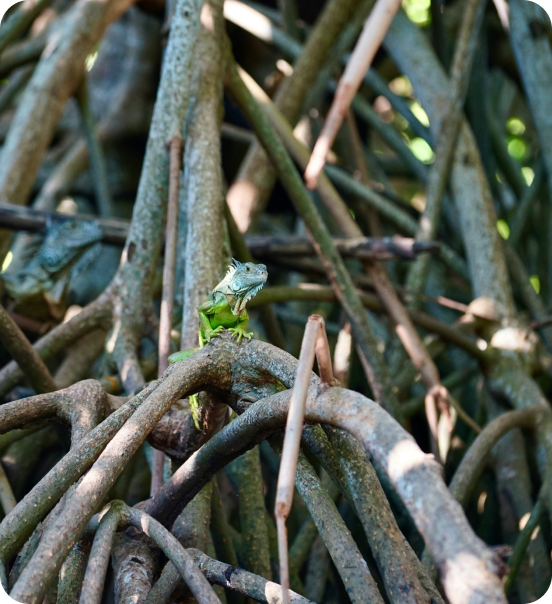
Mangrove projects focus on conserving and restoring these unique, salt-tolerant tidal forests. Often described as “amphibian” ecosystems, mangroves are exceptionally efficient carbon removal. While conservation shields these forests from deforestation, pollution, and coastal development, restoration actively revives them through sapling planting and hydrological rehabilitation.
Beyond capturing immense amounts of carbon in their roots and sediment, healthy mangroves stabilize coastlines, improve tidal hydrology, sustain marine fisheries, and uplift local communities through sustainable resource use.

Seagrass & Seaweed Farming
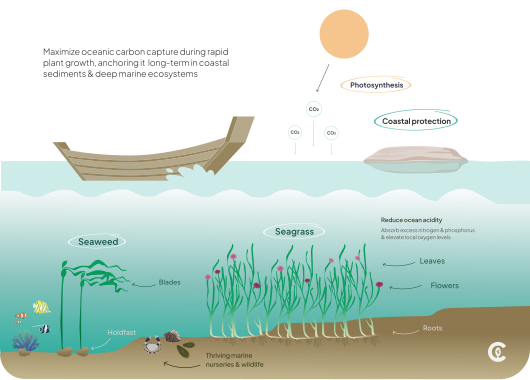
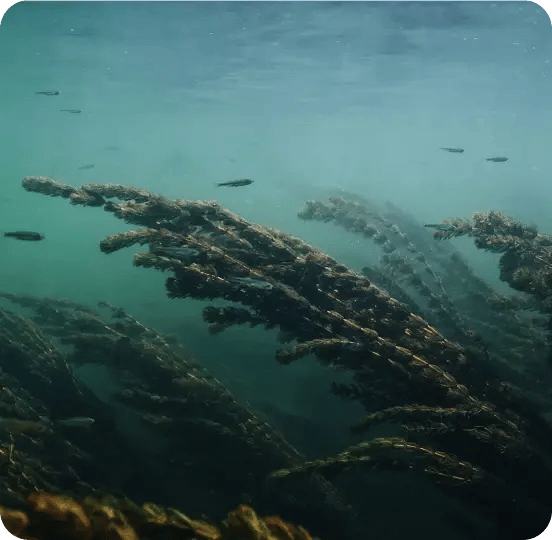
Seagrass and seaweed projects focus on cultivating and managing underwater meadows and forests to capture and store blue carbon. While seagrass sequesters carbon within its leaves, roots, and the surrounding sediment, seaweed rapidly absorbs dissolved carbon from the water column through photosynthesis.
Restoring these ecosystems involves transplanting seagrass into the seabed or cultivating seaweed on suspended ropes and nets. Together, these projects expand marine carbon storage, improve water clarity, enhance biodiversity, and provide critical habitats for marine life.
Macroalgae
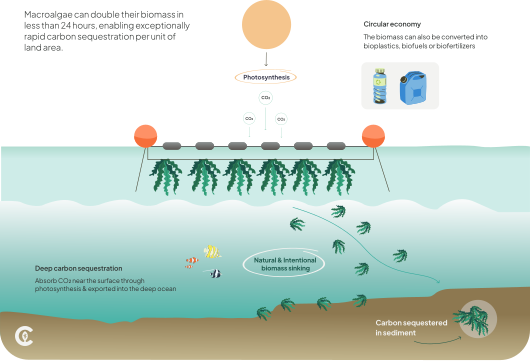
Macroalgae projects focus on cultivating microscopic algae to capture carbon dioxide and generate biomass. This is typically done in controlled environments, such as photobioreactors or open ponds, where the algae can efficiently carry out photosynthesis.
Macroalgae absorb carbon dioxide through photosynthesis and convert it into organic matter, effectively sequestering carbon. The harvested biomass can be used for various purposes, including biofuel production, food supplements, or as a nutrient-rich source for livestock feed. Macroalgae projects offer high growth rates, scalability, and the potential to provide sustainable alternatives to fossil fuel-based products.
Project Examples
Mangrove Conservation & Restoration in San Crisanto
Carbon Removal Mangroves
As the first community-based blue carbon project in Mexico certified by the Climate Action Reserve, San Crisanto stands as a global model for local ecological stewardship. The project protects 700 hectares of mangrove cover and biodiversity in a region of the Gulf of Mexico historically vulnerable to hurricane damage.
Seagrass & Seaweed Farming in Mexico
Carbon Removal Seagrass & Seaweed Farming
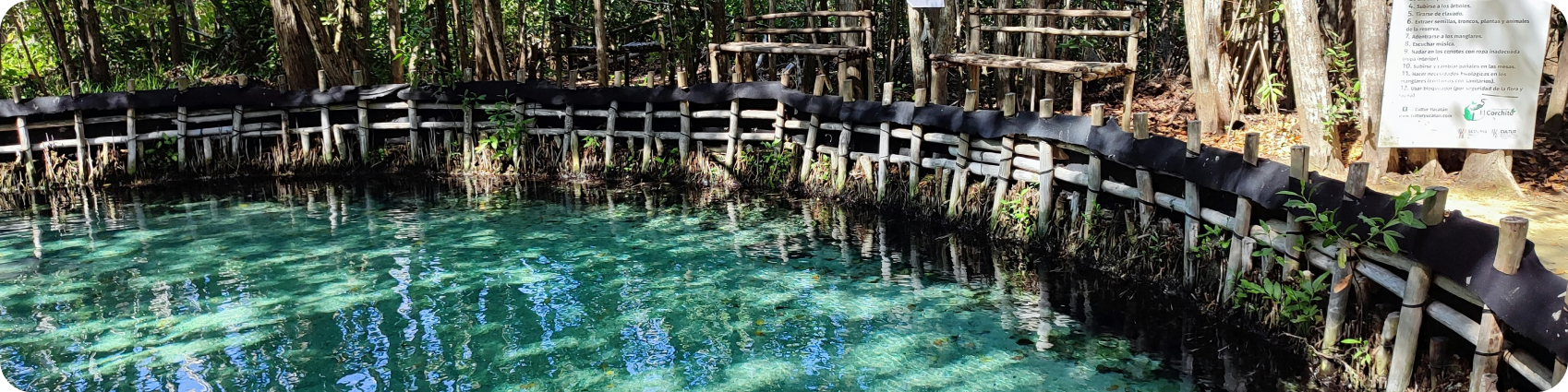
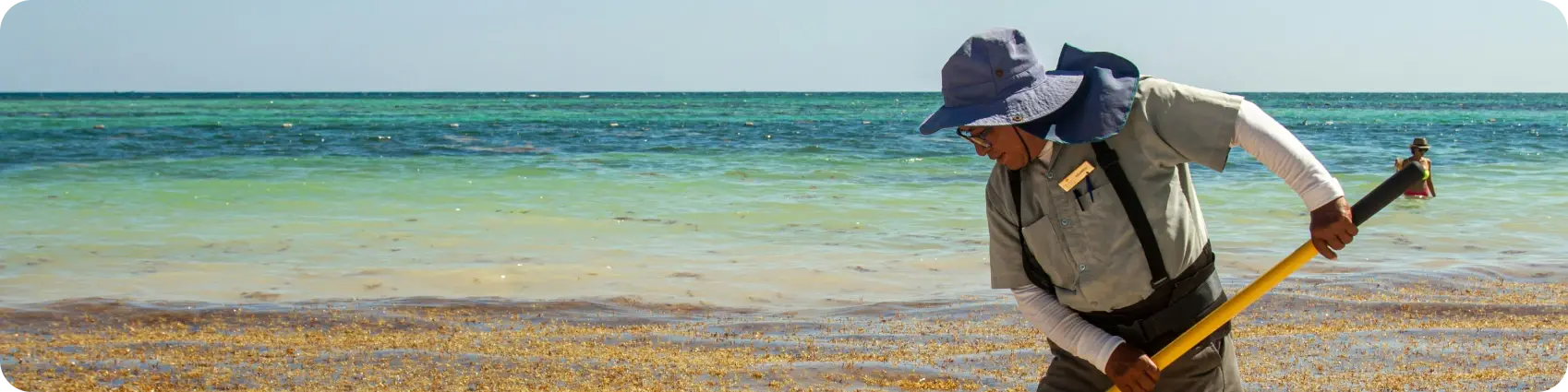
The project supports the protection and restoration of coastal ecosystems, including seagrass meadows and seaweed farming, strengthening their role in climate mitigation, biodiversity conservation, and sustainable community livelihoods.
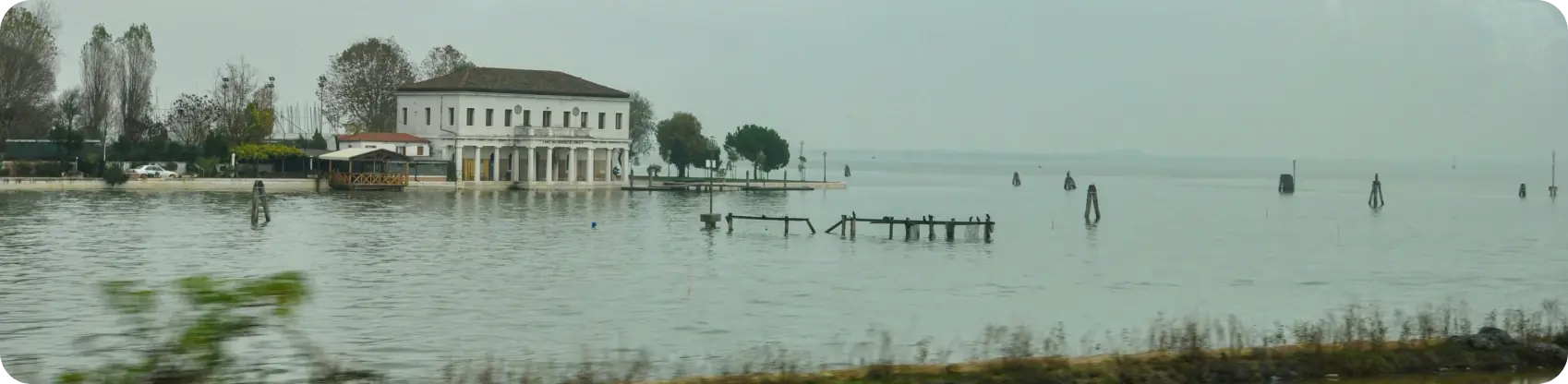
Wetland Project in Italy
Carbon Removal Macroalgae
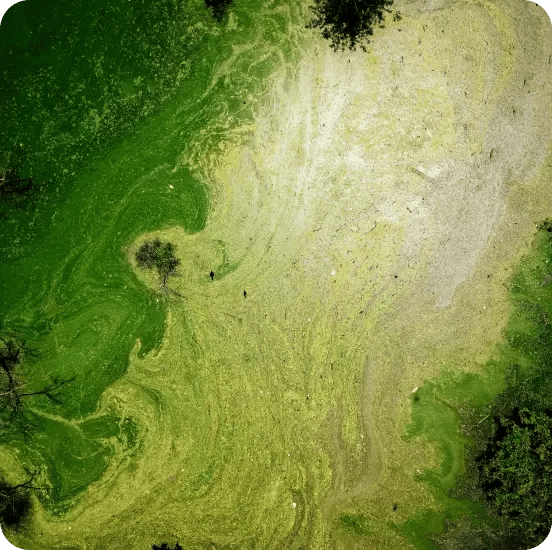
The fishing activities in the Northern Lagoon of Venice have important historical roots, especially the act of sowing by deepening the brackish water intake channels, the project area favours the development of two types of algae: macroalgae and phytoplankton.