Climate action often focuses on carbon dioxide (CO₂), but focusing on a group of powerful climate forces known as superpollutants offers one of the fastest ways to slow global warming in the near term. These pollutants, primarily methane (CH₄), black carbon, hydrofluorocarbons (HFCs), and tropospheric ozone precursors, have a much stronger warming impact than CO₂ but remain in the atmosphere for far shorter periods. Did you know that methane is responsible for nearly one-third or about 0.5°C of the warming we are seeing today?
This combination makes them critical targets for rapid climate mitigation: cutting superpollutants can deliver measurable climate benefits within years rather than decades.
What are Superpollutants?
Superpollutants are short-lived climate pollutants (SLCPs) that trap heat far more efficiently than carbon dioxide but persist in the atmosphere for relatively short periods, ranging from days to about 15 years.
Key examples include:
- Methane (CH₄): Over 80 times more potent than CO₂ over a 20-year period.
- Black carbon (soot): A component of particulate matter from incomplete combustion.
- Hydrofluorocarbons (HFCs): Synthetic gases used in refrigeration and air conditioning.
- Tropospheric ozone: Formed from chemical reactions involving methane and other pollutants.
While CO₂ reduction remains essential for long-term climate stabilization, cutting superpollutants is one of the fastest ways to slow the rate of warming and reduce near-term climate risks.
Why Superpollutants Matter for Climate and Health
Reducing superpollutants delivers powerful co-benefits for both the climate and human well-being. Key reasons include:
1. Rapid Climate Impact
Because these pollutants have short atmospheric lifetimes, reductions translate into quick decreases in warming potential. Addressing methane alone could significantly slow global temperature rise over the next two decades.
2. Major Health Improvements
Many superpollutants also contribute to air pollution, which is responsible for millions of premature deaths globally each year. Methane concentrations in the atmosphere have risen to over two and a half times their pre-industrial levels. Measures that reduce black carbon and methane often improve air quality simultaneously.
3. Protection of Ecosystems and Agriculture
Tropospheric ozone damages crops and vegetation. Reducing superpollutants, such as methane, a key contributor to ozone formation which contribute to ozone formation, can therefore increase agricultural productivity and food security.
The Rising Momentum to Address Superpollutants
International and corporate initiatives are increasingly targeting these high-impact emissions.
A new corporate coalition launched through the Beyond Alliance aims to mobilize $100 million in funding to support projects that cut superpollutants globally. The initiative focuses particularly on methane and black carbon reductions across sectors such as:
- Waste management
- Agriculture
- Energy systems
- Household fuel use
These projects are attractive to investors because they often combine climate mitigation with strong development co-benefits, including improved health, cleaner energy access, and job creation.
As awareness grows, carbon markets and climate finance are increasingly recognizing the value of projects that reduce short-lived climate pollutants, especially those delivering immediate climate benefits.
At the governmental level, efforts to tackle superpollutants are also gaining momentum. A key example is the Global Methane Pledge, launched at COP26 in 2021 by the United States and the European Union. Through this initiative, participating countries committed to collectively reducing global methane emissions by at least 30% from 2020 levels by 2030, targeting major sources such as energy production, agriculture, and waste management.
With more than 150 countries now participating, the pledge reflects growing recognition among governments that addressing methane, one of the most powerful short-lived climate pollutants, is one of the fastest ways to slow near-term warming while delivering significant air quality and health benefits. Together, these public and private initiatives signal a broader shift in climate strategy: complementing long-term decarbonization with rapid action on superpollutants that can deliver immediate climate gains.
Case Studies: Superpollutant Reduction in Action
1. Methane Reduction in Quebec's Sustainable Communities
The Sustainable Communities project in Quebec, led by Will Solutions, focuses on reducing methane emissions from organic waste through innovative landfill management strategies.
Organic waste decomposing in landfills produces methane, a greenhouse gas significantly more potent than CO₂. The project addresses this challenge by capturing landfill gas and improving waste management systems, preventing methane from entering the atmosphere.
Key impacts include:
- Accelerated reduction of methane emissions across participating municipalities
- Support for local communities in adopting improved waste management practices
- Contribution to regional climate goals through scalable landfill gas mitigation
Beyond emissions reductions, the project strengthens community engagement and circular waste management, demonstrating how local climate action can deliver measurable environmental benefits. For more information, read our case study.
2. Biogas Development in Rural China
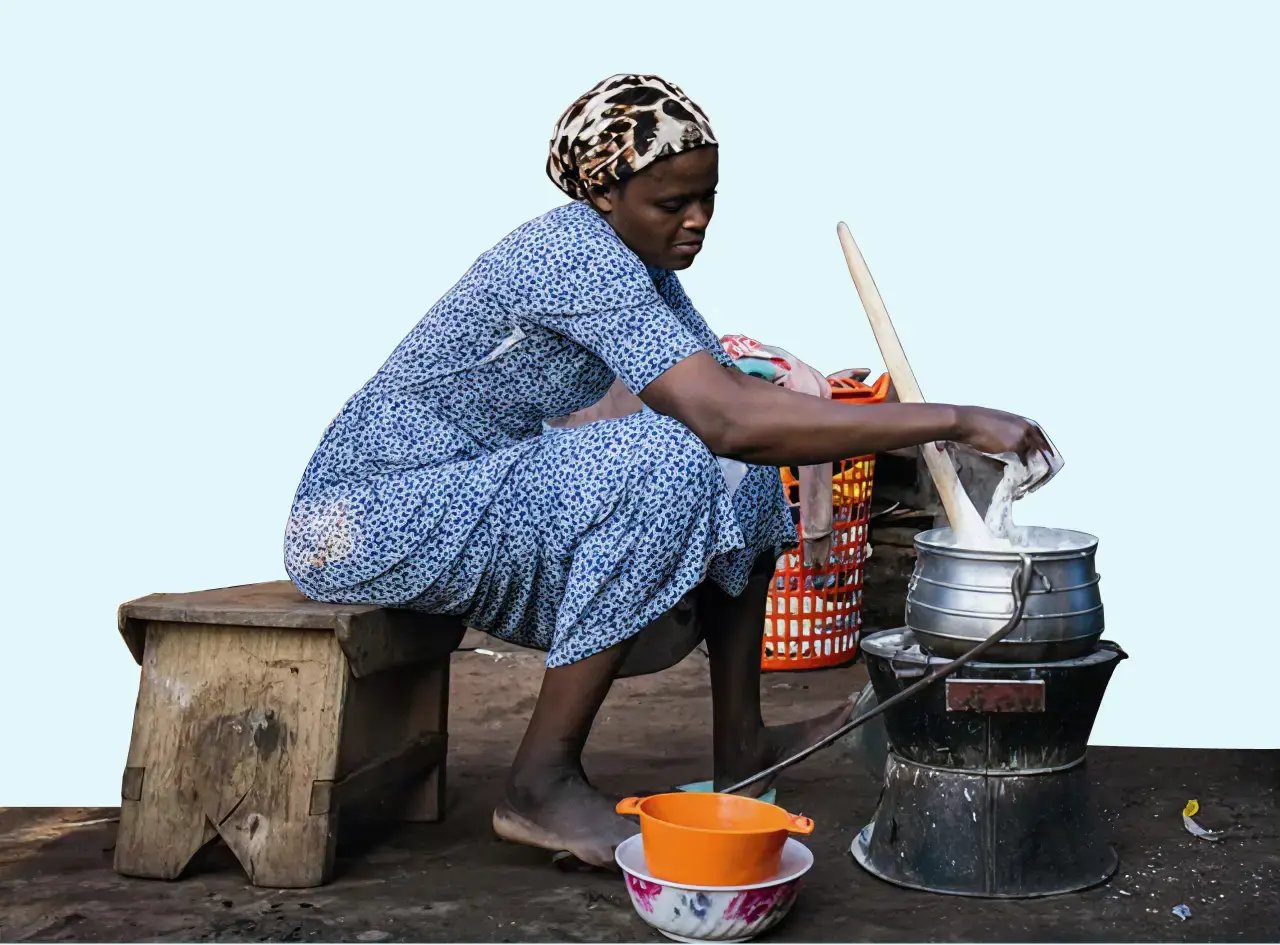
Another compelling example of superpollutant mitigation comes from biogas development projects in Sichuan, China. The project supports up to one million low-income rural households through the installation of advanced biogas digesters and smoke-free cookstoves.
Animal manure, previously discharged into open pits where it emitted methane, is fed into small biogas digesters. The system converts organic waste into clean biogas used for cooking, heating, and lighting, replacing coal and firewood.
Climate benefits include:
- 2 tCO₂e emissions reduced per household annually
- 800,000 tCO₂e avoided each year across the project
- 340,000 tonnes of coal replaced annually
Social and other environmental co-benefits are also impactful:
- Improved health: Reduced indoor air pollution benefits women and children in particular
- Better sanitation: Improved manure management protects soils and water resources
- Energy access: Clean and reliable household energy supply
- Job creation: About 10,000 jobs, including 2,000 permanent positions, linked to digester construction and maintenance
The project currently improves the lives of nearly 400,000 rural households, demonstrating how methane mitigation can simultaneously address climate, health, and energy challenges.
The Opportunity Ahead
Superpollutant mitigation represents one of the fastest and most cost-effective ways to slow near-term warming. Because these pollutants remain in the atmosphere for a relatively short time, reducing them can deliver rapid climate benefits while longer-term efforts to cut carbon dioxide continue. To limit global warming to 1.5°C, methane reductions from fossil fuels are expected to account for roughly half of the total methane cuts required by 2030.
Scaling solutions such as methane capture from waste systems, improved agricultural waste management, and cleaner household energy technologies can quickly reduce emissions while also improving air quality, public health, and local livelihoods. These projects demonstrate how climate action can deliver both environmental and social benefits at the same time.
ClimateSeed offers superpollutant credits within our carbon project portfolio, providing organizations with the opportunity to support initiatives that deliver rapid climate benefits by reducing short-lived climate pollutants. These credits contribute to impactful projects targeting emissions such as methane, black carbon, and other superpollutants that have a disproportionately high warming effect in the short term.
If your organization is interested in exploring superpollutant credits as part of its climate strategy or carbon contribution approach, we would be happy to share more information about the projects currently available in our portfolio and how they can support your climate commitments. Feel free to contact us to learn more.
Sources: