Biogas Digesters
 Carbon Avoidance
Household & Community Devices for Corporate Net-Zero Strategies
Household and community biogas projects transform agricultural residues, livestock manure and other organic waste streams into renewable energy for cooking and electricity generation, preventing methane emissions, a superpollutant that would otherwise be released into the atmosphere.

 Projects in Global Portfolio
 Locations

Company impact
By integrating Biogas Digester projects as part of a broader portfolio of high-quality climate projects, companies can contribute through Ongoing Emissions Responsibility (OER) approaches while enhancing local communities’ livelihoods through optimized waste management, clean cooking solutions, and independent electricity generation.
Maximizing Carbon Impact through Biogas Digesters
 Emission reduction type: Avoidance
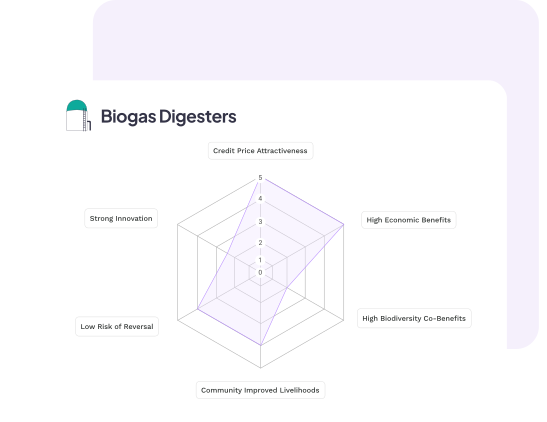
 Risk of reversal: Low
 Permanence: Years to decades
 Price range: From €5 to €25
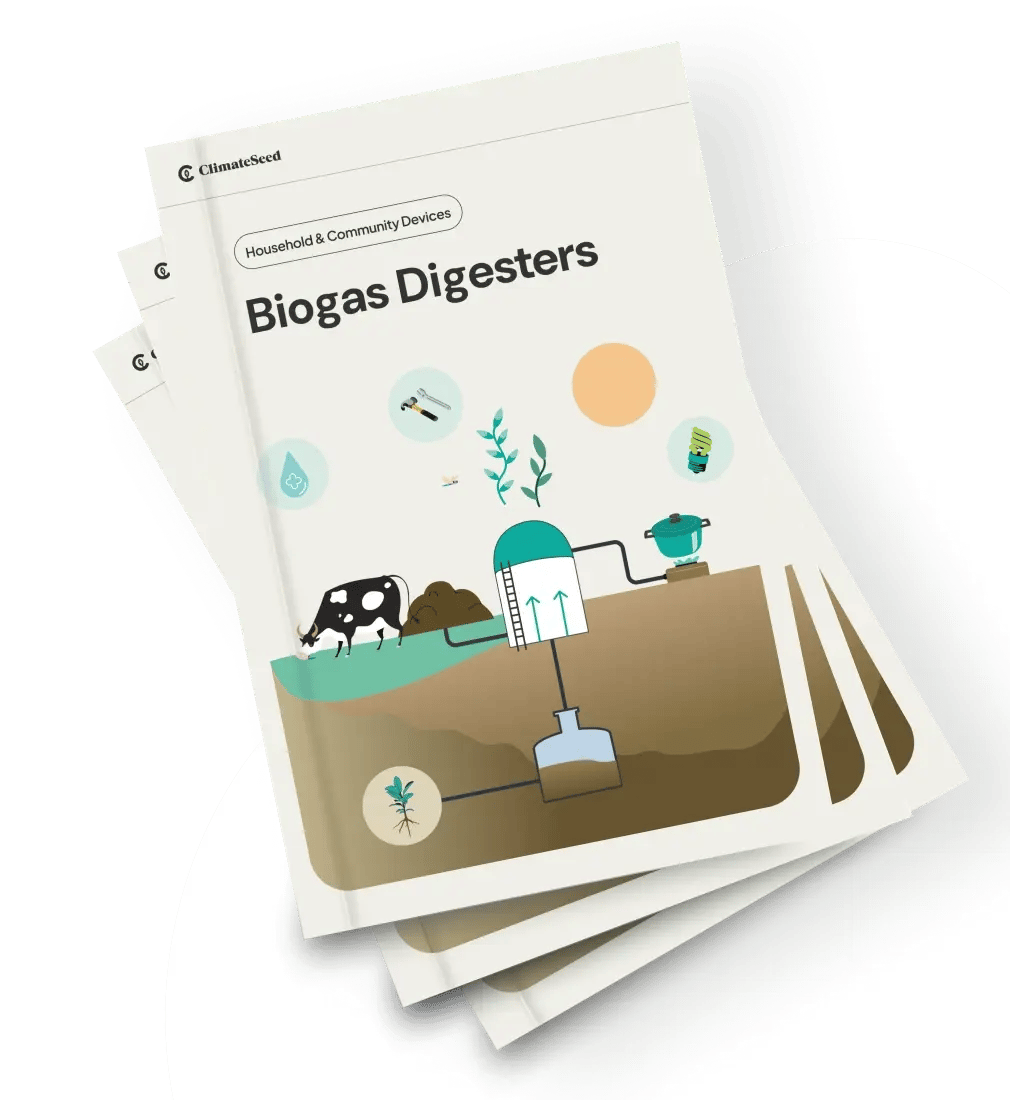
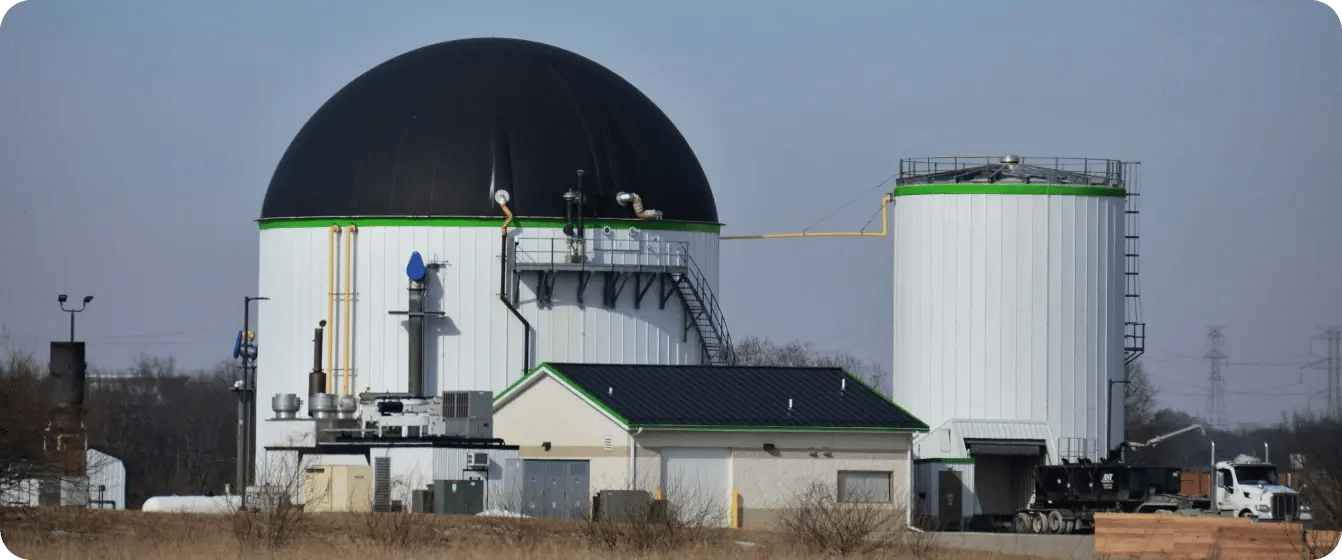
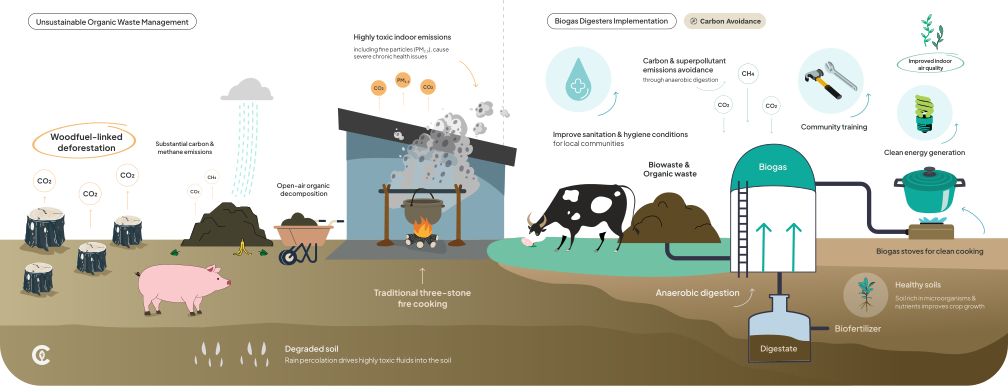
Biogas digesters are airtight, oxygen-free systems that convert organic materials such as agricultural residues, animal manure and municipal organic waste into biogas through anaerobic digestion. The resulting biogas, composed primarily of methane (CH₄) and carbon dioxide (CO₂), can be used as a renewable energy source for cooking, heating, lighting and electricity generation. These projects can be implemented at household, community, or industrial scale and are particularly effective when integrated with livestock operations, where they capture methane that would otherwise be released into the atmosphere.
Beyond reducing greenhouse gas emissions, biogas projects generate nutrient-rich bioslurry that can be used as an organic fertilizer, improving soil health and supporting sustainable agriculture. They also deliver important social and environmental benefits by improving indoor air quality, reducing reliance on traditional biomass fuels, alleviating pressure on local forests, and creating training, employment and income-generating opportunities. Together, these outcomes strengthen community resilience, support gender equality, and contribute to more sustainable livelihoods.

Advancing Clean Energy, Health, & Ecosystem Protection
Biogas digester projects generate co-benefits that help preserve natural habitats, enhance livelihoods through local energy access and enhance air quality through cleaner cooking systems.


Biodiversity
Reduce deforestation and land degradation resulting from decreased reliance on fuelwood, to help preserve natural habitats and maintain ecosystem integrity in surrounding landscapes.

Environmental
Reduce greenhouse gas emissions through methane capture from organic waste, lower pressure on forests due to reduced firewood and charcoal use, improved soil fertility and agricultural productivity via bioslurry use and enhanced air quality through cleaner cooking and energy systems.

Social
Improve respiratory health via reduced indoor air pollution, enhanced livelihoods through local energy access and job creation, women’s empowerment and time savings from reduced fuel-collection burdens and strengthen community knowledge and capacity through project participation and training.
Why Integrate Biogas Digester into your Corporate Climate Strategy?
Integrating biogas digester projects into a broader climate contribution strategy enables companies to support the reduction of superpollutant emissions by avoiding methane and CO₂ emissions from agricultural and animal waste, while delivering significant environmental and social benefits. These projects convert organic waste into clean energy for cooking or electricity and produce nutrient-rich bioslurry that improves soil fertility. They also enhance community livelihoods, create local jobs, and generate social benefits through improved health, air quality, and gender equity. By reducing reliance on firewood and fossil-based fuels, these initiatives contribute to reduced deforestation and land pressure.
For companies, these projects provide an opportunity to support essential solutions for climate action and community resilience. Their contributions help scale biogas digesters that improve waste management, expand access to clean cooking and renewable energy, and strengthen the livelihoods of local communities.

 Expert Insight
Reducing methane, one of the most powerful climate superpollutants, is among the fastest ways to slow near-term warming. Biogas projects capture methane from organic waste and convert it into renewable energy, delivering immediate climate benefits while supporting sustainable development. For companies, these projects offer a credible way to address superpollutants and strengthen strategies through high-impact climate action.
Danielle Parkinson
Carbon Project Analyst
Project Example

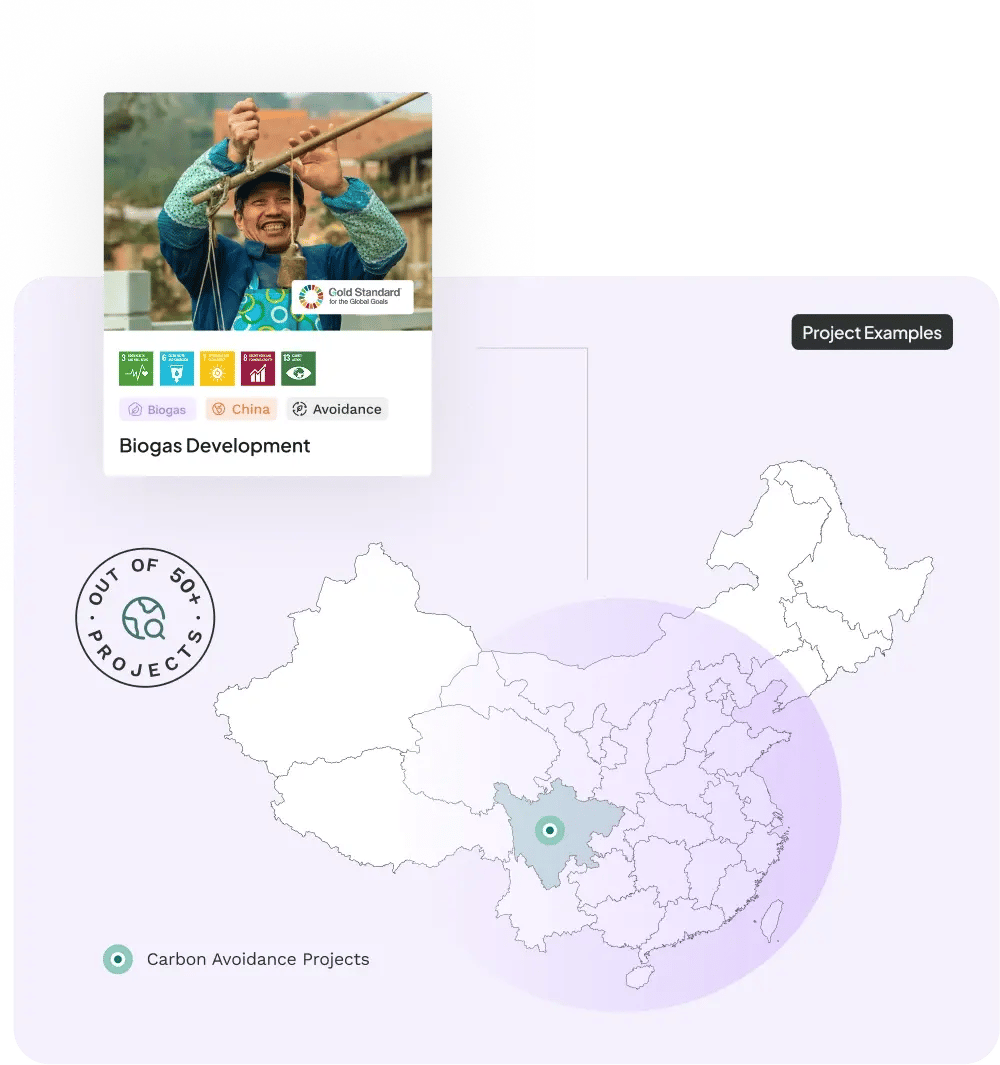
Biogas Development in China
Carbon Avoidance Biogas Digesters
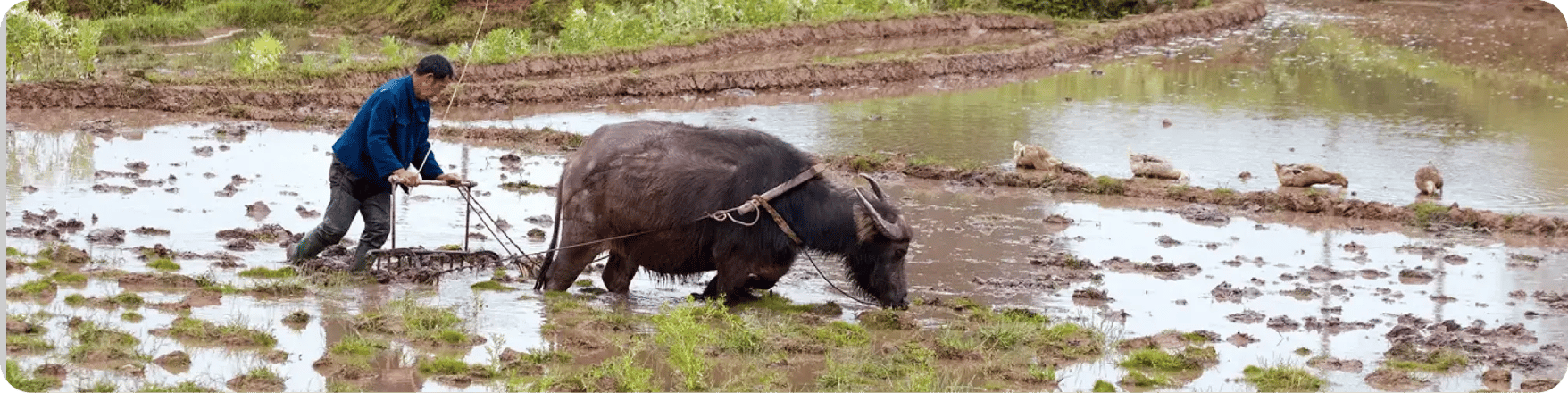
The project aims to support up to one million low-income rural households in Sichuan, China, with advanced biogas digesters and smoke-free biogas cookstoves, which are installed and maintained by local technicians.