Biochar Project in France


Transforming Biomass into Energy & Stable, Carbon-Rich Material
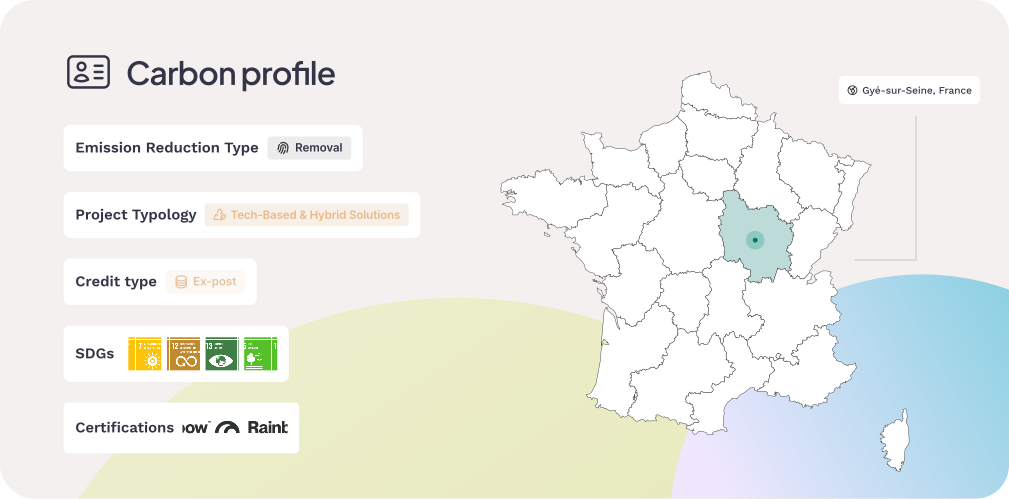
This project helps to spread the use of biochar through carbon financing. With its two production sites in France, the Gyé-sur-Seine project produces 50,000 tonnes of charcoal each year, of which 5,000 tonnes are converted into biochar. The biochar is then sold to farmers, substrate manufacturers, local authorities, and construction stakeholders at a price more affordable than biochar not supported by carbon financing.
The biomass is locally supplied and sourced from sustainable channels, ensuring a controlled environmental impact. Biochar thus represents a cutting-edge solution that combines renewable energy production, local job creation, and stable carbon sequestration.
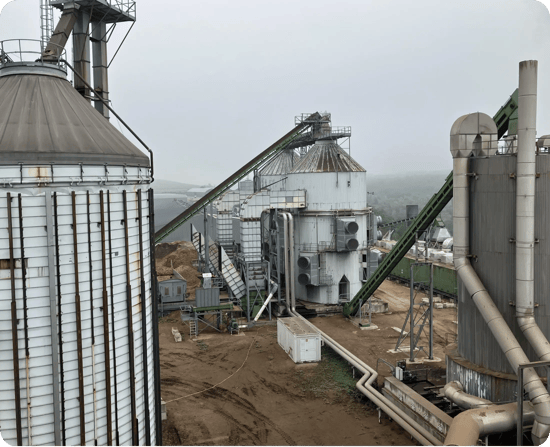
Pyrolysis: Turning Biomass into Biochar
Biochar, or vegetal charcoal, is a carbon-rich black substance produced from biomass, such as branches, leaves, and organic residues, heated by pyrolysis at high temperature without oxygen (O2). Because there is no oxygen, the material cannot burn. Instead, it thermally decomposes and transforms into biochar.
The pyrolysis process is at the core of this project, and the supply is local and fully traceable: the biomass is meticulously tracked through an application that records its origin and transportation distance. It consists of 80% thinning wood from managed forests and 20% non-recoverable sawmill residues.
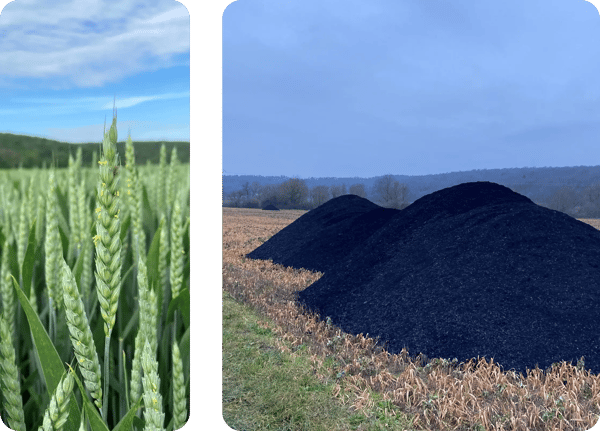
What is the Difference Between Biochar and Conventional Coal?
While wood charcoal and biochar are made similarly, they are used for opposite purposes:  Wood charcoal is used for burning
The biomass is heated at lower temperatures during the pyrolysis, and the resulting wood charcoal is used as fuel for barbecues or heat.Biochar is used for the soil
The biomass is heated at much higher temperatures, and the resulting biochar is a highly porous "carbon sponge" that holds water, traps nutrients, and never decomposes.
Charcoal releases carbon into the air when burned, while biochar traps carbon in the ground to help plants grow.
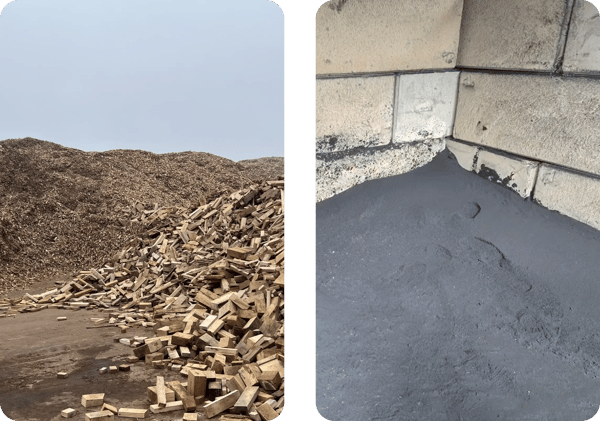
Biochar: A Versatile & Impactful Material
Biochar is a versatile material utilized across several major sectors. It is sold to farmers, substrate manufacturers, local authorities & construction stakeholders at a more affordable price.

Substrate Manufacturers
They blend biochar into potting mixes and growing mediums to enhance their product quality.

Farmers & Agriculture
They apply biochar to fields to boost soil fertility, optimize water absorption & drainage based on soil structure & strengthen crop resilience.

Municipalities & Local Authorities
Cities integrate biochar into urban landscaping, public parks & green infrastructure projects to adapt & mitigate climate change.

Construction Stakeholders
Builders incorporate biochar into concrete or asphalt to reduce the percentage of emitting materials, like clinker, & therefore promote eco-efficient materials.

By-Product Utilization
The project also valorizes several co-products, such as compost (from mosses), phosphorus-rich ashes (for agriculture) & domestic logs (produced from grinding residues).
Carbon Finance
Carbon financing helps make biochar financially competitive. Carbon credits play a vital role in lowering the market price of biochar, making it affordable and competitive against traditional chemical substrates. Currently priced at approximately €650 per ton, carbon finance is projected to drive the cost down to around €350 per ton, democratizing access for everyday users.
Today, the SOLER production plant in Gyé-sur-Seine generates 50,000 tons of total output: 45,000 tons of wood charcoal and 5,000 tons of biochar. By securing carbon credit sales, the company can safely pivot its production mix. This guaranteed revenue stream allows the plant to increase its biochar output without compromising its overall financial security.
Key Impacts
Thanks to its two production sites in France, the Soler project demonstrates a tangible economic & environmental impact:
SDGs including

Employment
The Gyé-sur-Seine plant employs 78 people (180 jobs created in total, including the second site in the Landes).

Energy Creation
The pyrolysis process is energy self-sufficient & exothermic, generating its own heat. Biochar production also provides clean electricity, powering the facility & allowing surplus to be exported to the local grid.

Annual Production
The project produces 50,000 tons of charcoal each year, of which 5,000 tons are converted into biochar.

Urban Forestry
Delivered 3,650m³ of biochar-enriched soil to support the Municipality of Barcelona’s urban tree-planting initiatives.

Regenerative Agriculture
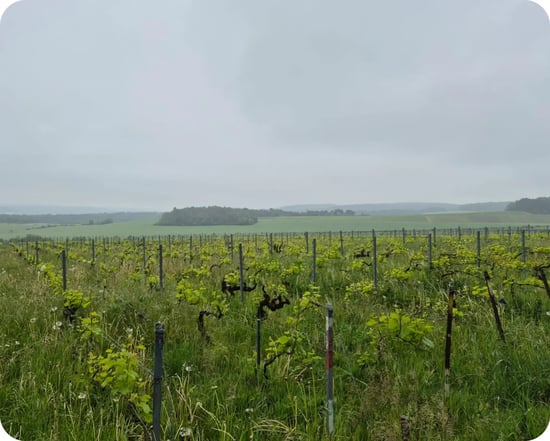
Treated more than 114 hectares of vineyards with biochar, unlocking a potential yield increase of up up to 66%.
Sustainable Construction
Successfully integrated biochar into over 1,540 tons of eco-friendly cement.
Soler: Family Owned Business
Founded in 1993 as a family-owned business in one of France’s largest forested regions, the company initially focused on conventional charcoal before strategically pivoting toward a more sustainable technology: biochar.
Driven by the mission to reshore charcoal production to France, the company operates two advanced facilities in Gyé-sur-Seine and Lacanau. Their goal is to produce large volumes of high-yield biocarbon with maximum energy efficiency and a minimized environmental footprint.
Measurable Environmental, Social & Economic Co- Benefits
The Soler biochar project stands out as a unique project within the ClimateSeed portfolio. Certified by a European carbon standard, Rainbow, Soler was onboarded into ClimateSeed's project catalog. It introduces a highly impactful project to the portfolio: one that combines local action, permanent carbon sequestration, circular economy principles, and significant biodiversity benefits.
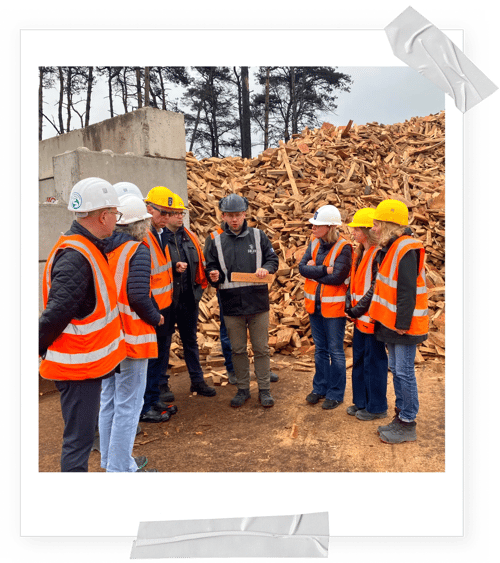
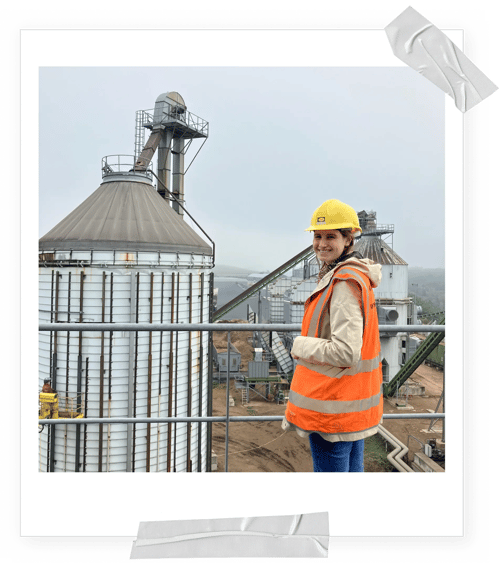
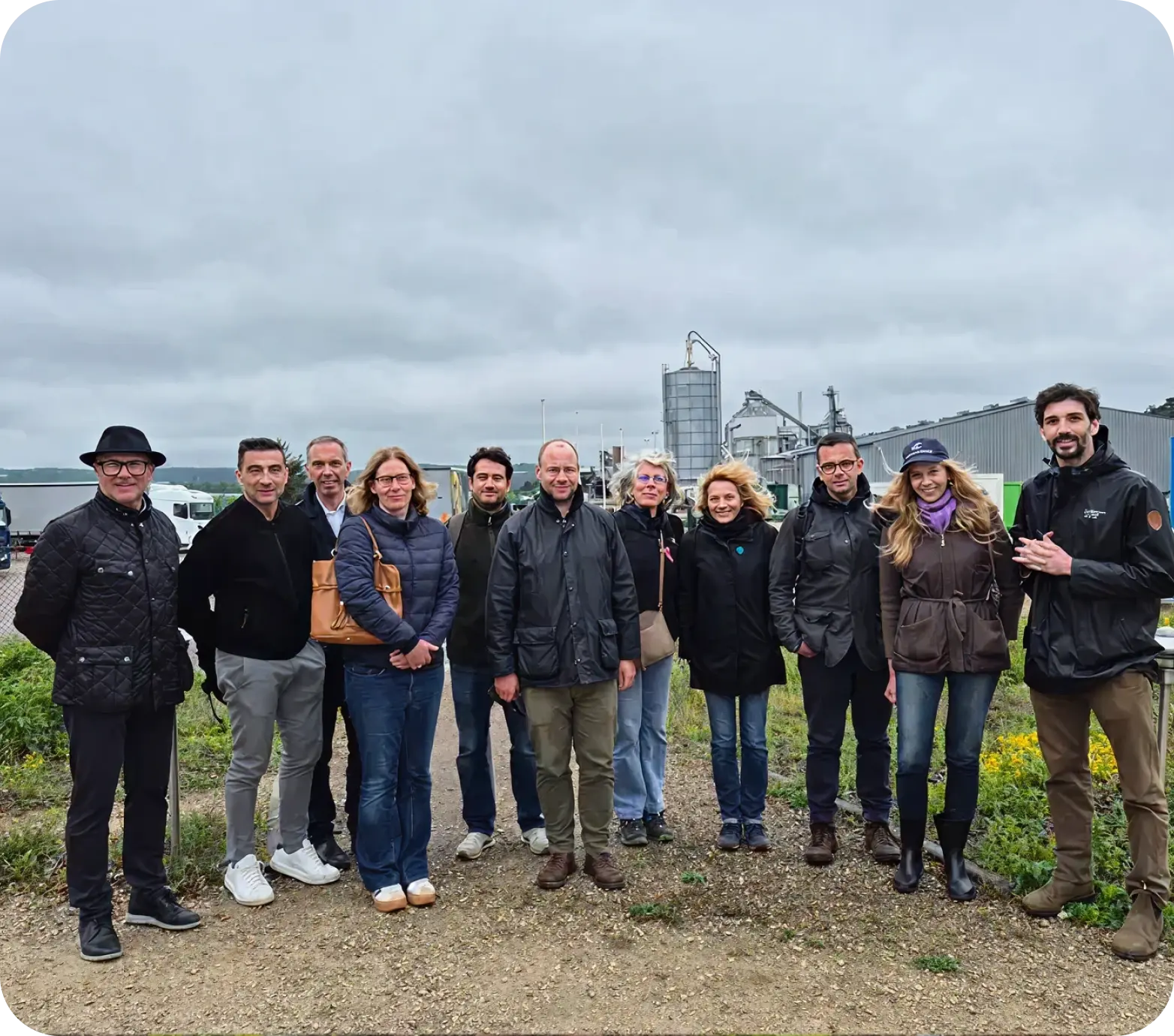
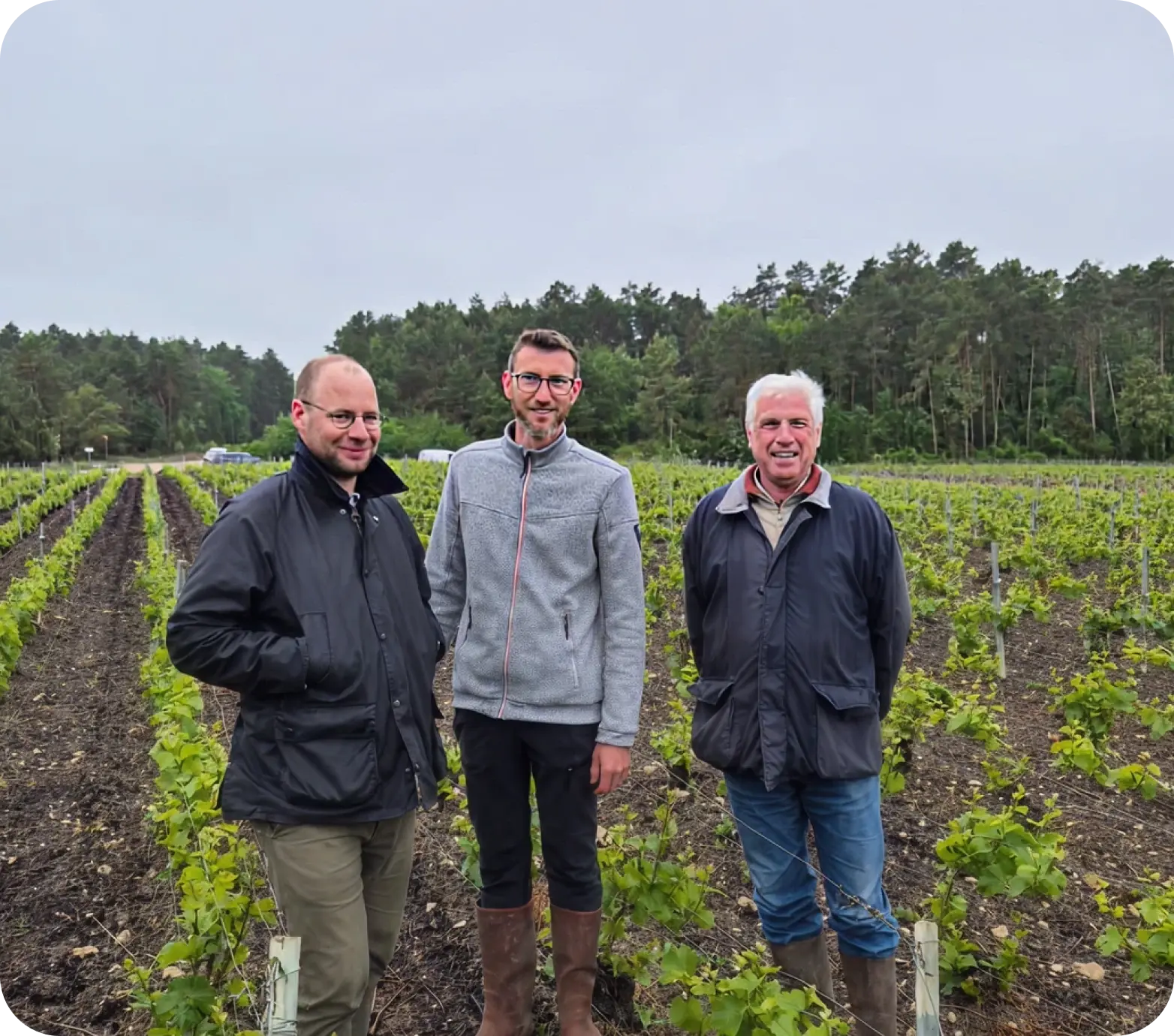
Before its official inclusion, the project underwent a rigorous due diligence process. Since then, our relationship with Soler has grown even stronger, cemented by collaborative meetings and multiple site visits to the Gyé-sur-Seine production facility, conducted both internally and alongside our clients.


Ferrari
The sustainable community & innovative initiative project
Autonomy
The largest trade show dedicated to sustainable urban mobility
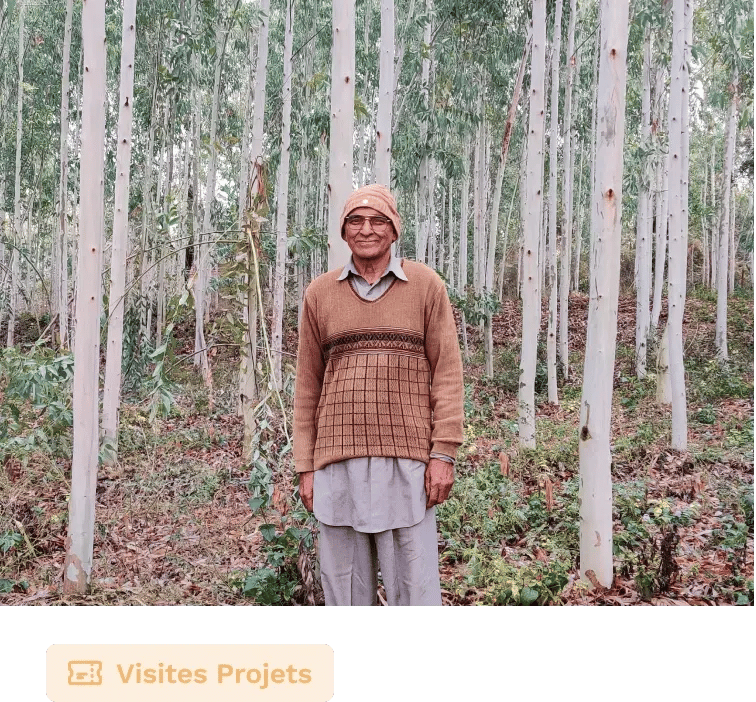
Agroforestry in Punjab
Discover our tour of India
ChangeNow
The biggest event organized for the planet
Women's forum
Highlight the link between climate change and equality
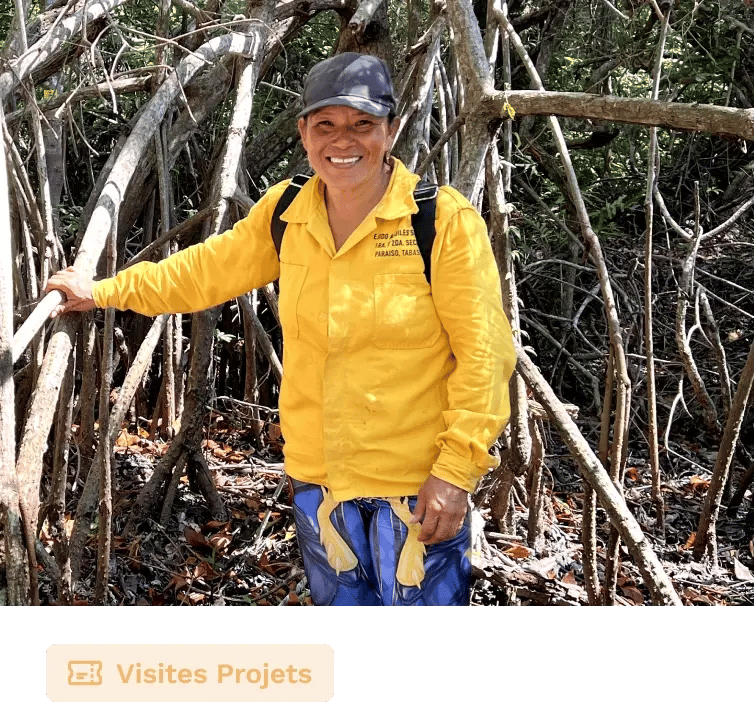
Conservation & restoration of mangroves
Discover our visit to Mexico
Wool and the Gang
The company with a unique approach to craftsmanship
EuroAirShip
Pioneer in sustainable development in aviation
Will Solutions
The company with a unique approach to craftsmanship