Biochar
 Carbon Removal
Hybrid & Engineered Solutions Projects for Corporate Net-Zero Strategies
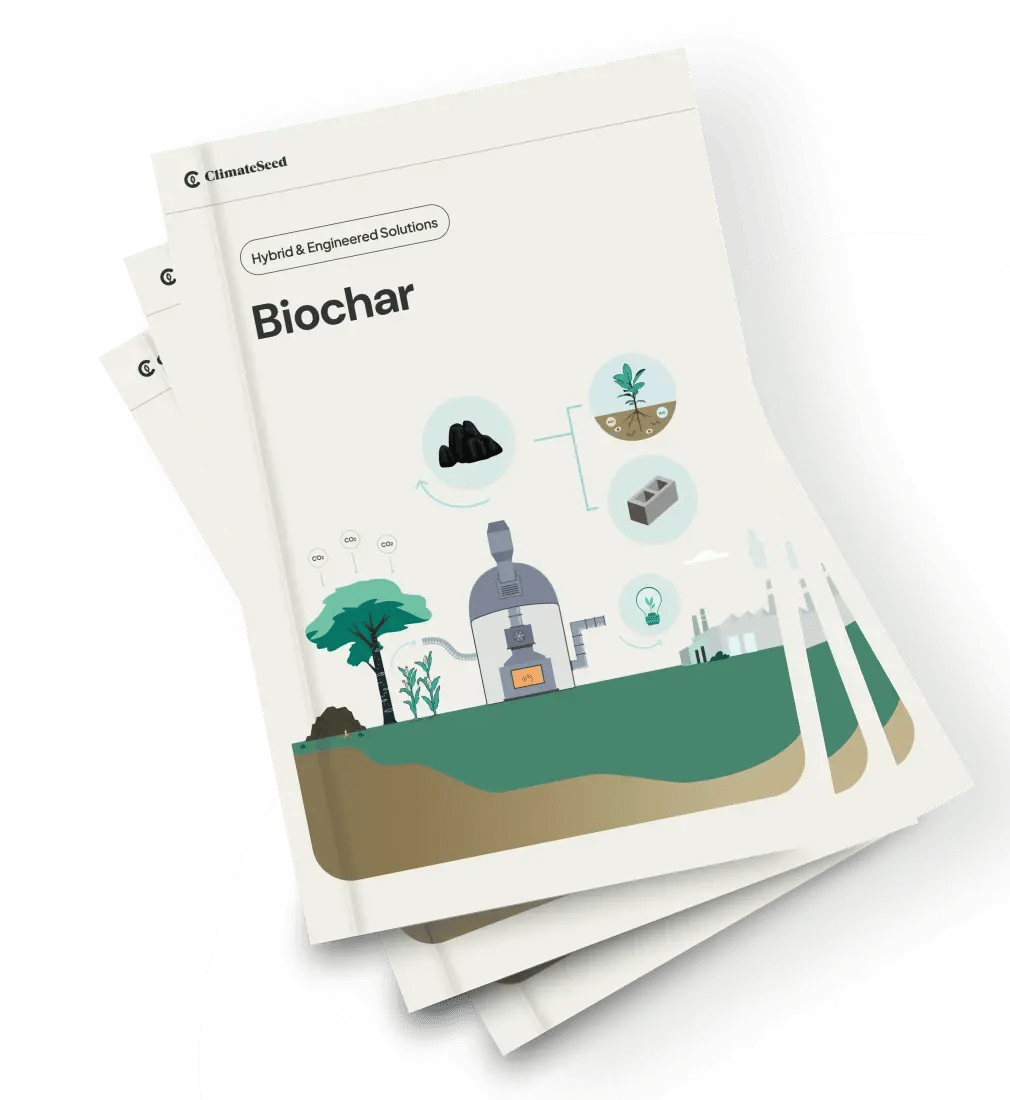
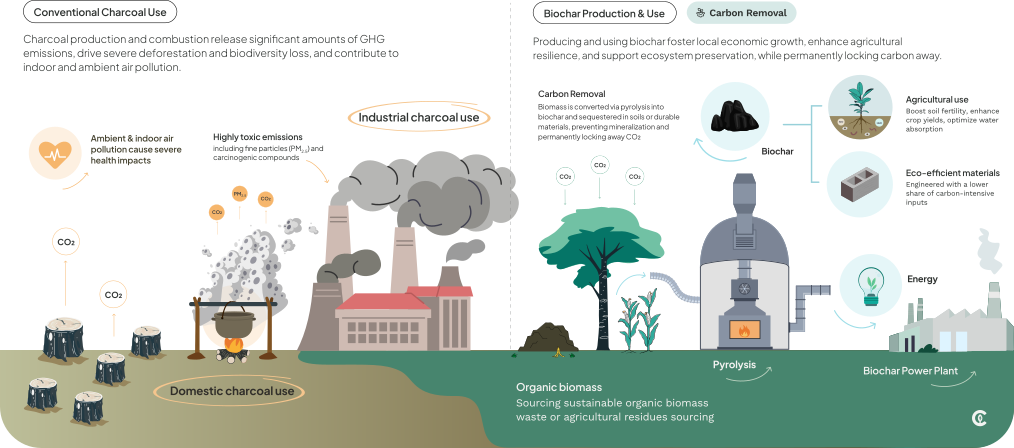
Biochar is a carbon-rich material produced from biomass or organic waste through pyrolysis, a thermal process that heats organic matter in the complete absence of oxygen. Because there is no oxygen, the material cannot actually catch fire and instead transforms into stable biochar. Pyrolysis interrupts the natural carbon cycle of biomass, which would otherwise decompose or burn and release its captured CO₂ back into the atmosphere.
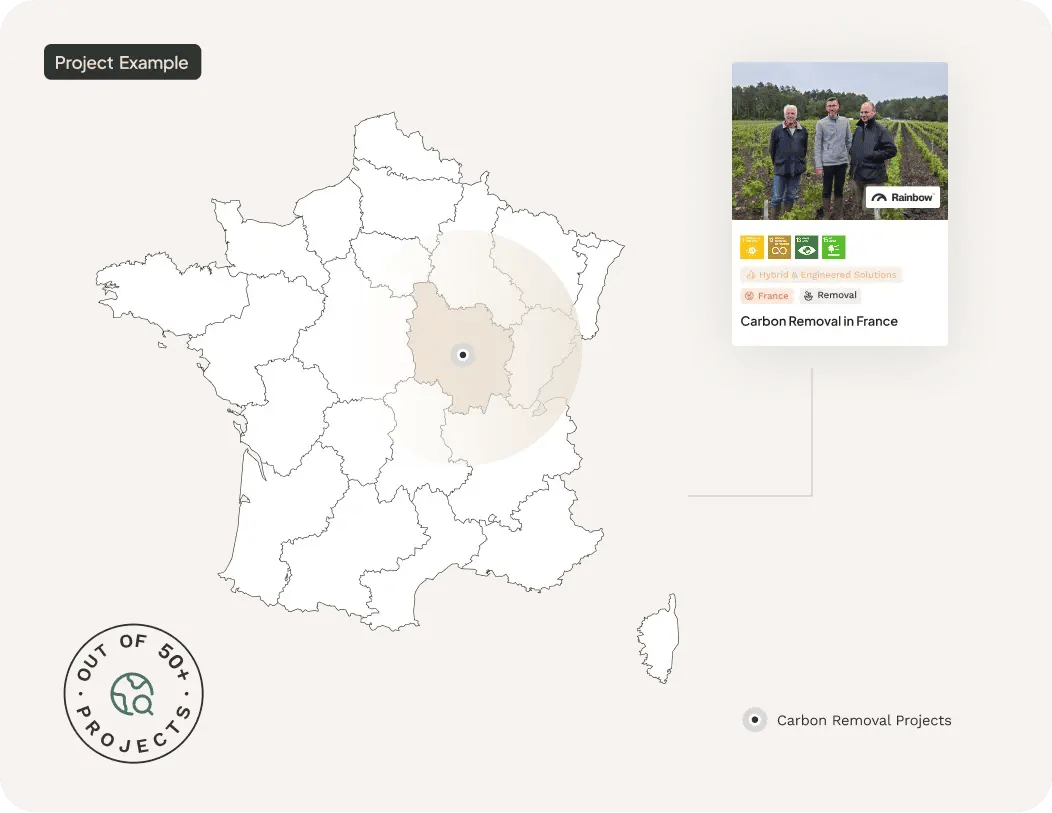
 Projects in Global Portfolio
 Locations

Company impact
By integrating biochar projects into a broader portfolio of high-quality climate projects, companies can contribute through Ongoing Emissions Responsibility (OER) approaches while removing CO₂ from the atmosphere, restoring degraded land, improving soil health, and strengthening local farmers’ livelihoods and food security through more sustainable crop yields.
Maximizing Sustainable Impact through Biochar
 Emission reduction type: Removal
 Risk of reversal: Low
 Permanence: 100-1,000 years
 Price range: From €70 to €250
Producing biochar captures carbon in a highly stable form that can remain locked in soils for thousands of years while simultaneously improving soil health by enhancing nutrient retention, water-holding capacity, and aeration, delivering both environmental and agricultural benefits. These projects are classified as carbon removal projects, focusing on the drawdown of carbon already present in the atmosphere.

Enhancing Soil Health & Rural Livelihoods
Biochar projects generate co-benefits that enhance soil water retention and improve local farmers’ livelihoods.


Environmental
Maximize CO₂ removal from the atmosphere, restore degraded land, improve agricultural productivity by enhancing soil water and nutrient retention, reduce fertilizer runoff pollution, and generate renewable bioenergy.

Social
Improve local farmers’ livelihoods and strengthen food security by sustainably increasing crop yields.
Why Integrate Biochar Projects
into your Corporate Climate Strategy?
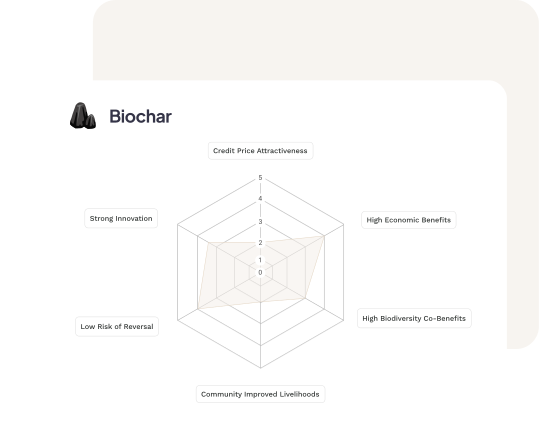
Integrating biochar projects into a broader climate contribution strategy enables companies to support durable carbon removal while delivering environmental and agricultural benefits. These projects help restore degraded land, improve soil health and nutrient retention, enhance agricultural productivity, and generate renewable bioenergy. They also offer strong potential for innovation and biodiversity benefits, while supporting farmers’ resilience and more sustainable food production.
By supporting biochar projects, companies contribute to long-term carbon removal, healthier ecosystems, improved agricultural practices, and the development of innovative climate solutions.

 Expert Insight
Biochar projects enable companies to support one of the most promising carbon removal solutions available today. By converting waste biomass into stable carbon stored in soils for centuries, they deliver durable climate impact while reducing waste and improving agricultural productivity. Projects such as the biochar in France demonstrate how corporate support can accelerate the deployment of biochar at scale, permanently removing CO₂, producing renewable energy, and creating tangible benefits for farmers, local communities, and ecosystems.
Alessandra Souroujon
Head of Project Portfolio
Project Example
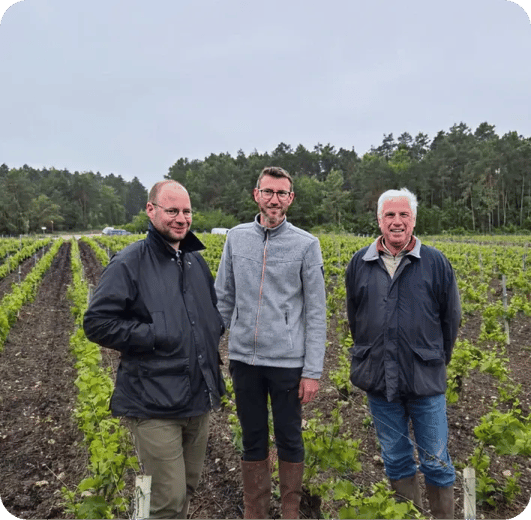
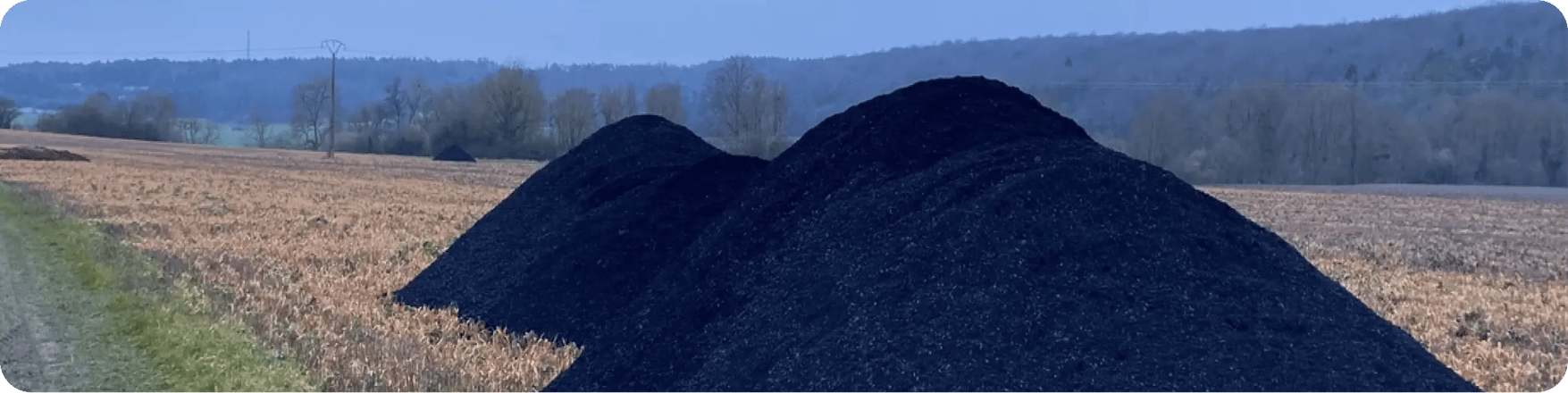
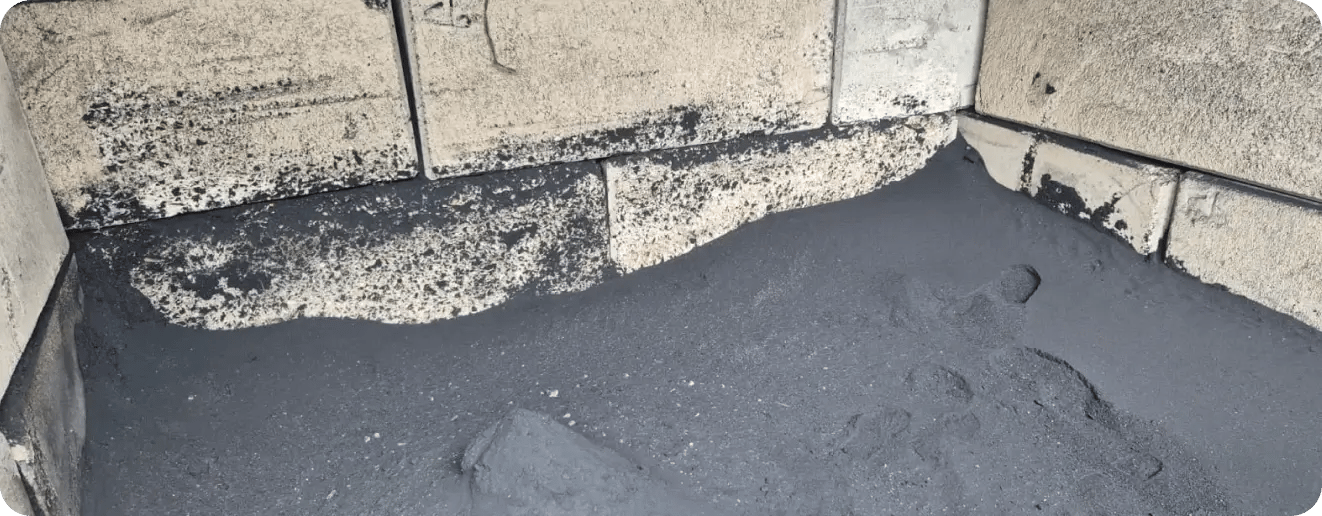
Biochar & Carbon Removal in France
Carbon Removal Biochar 
The project uses pyrolysis to convert biomass into biochar and renewable energy at scale, enabling long-term carbon removal while improving soil health and agricultural productivity. Ultimately, carbon revenues help make biochar more accessible across farming and industrial applications.