Agriculture Land Management
 Carbon Removal
 Carbon Avoidance
Nature-based Solutions for Corporate Net-Zero Strategies
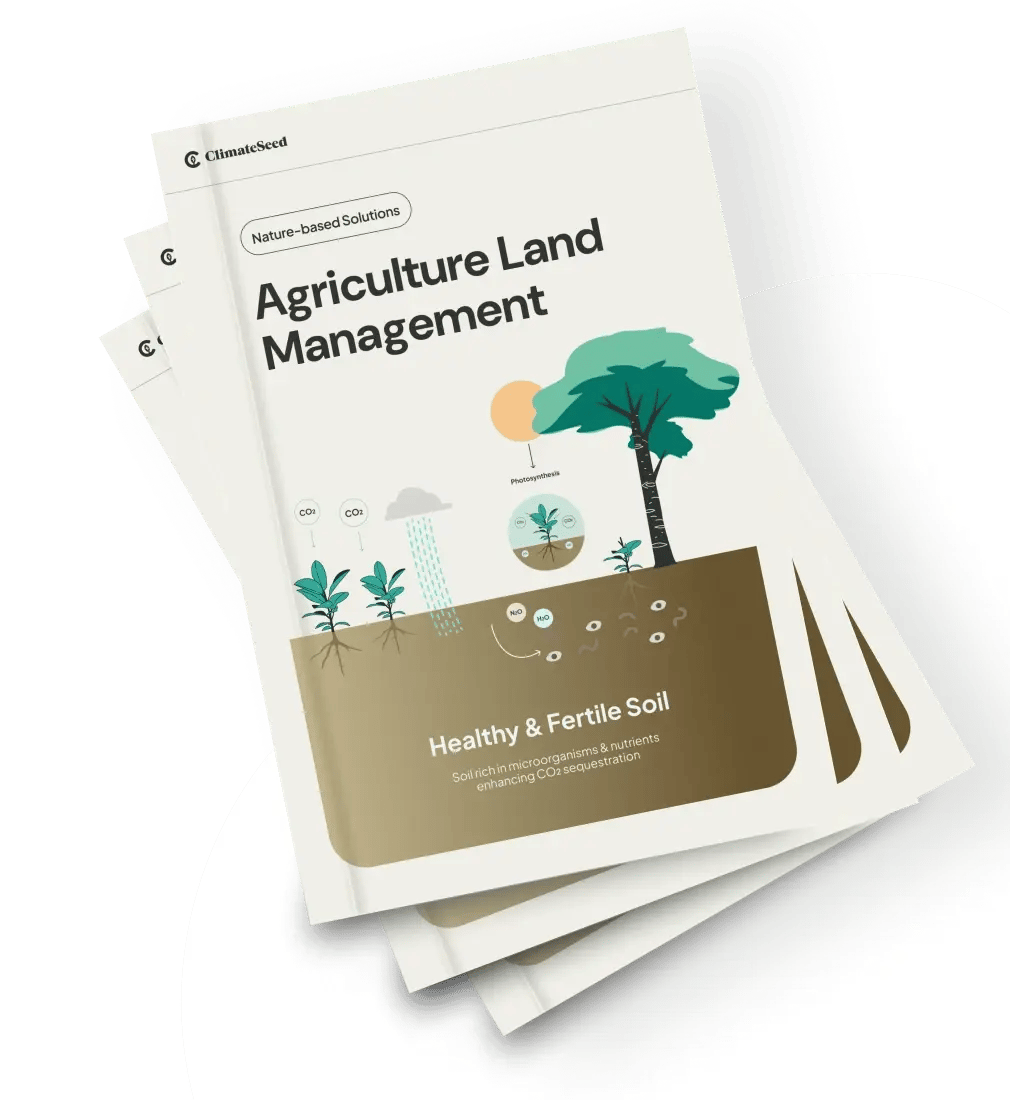
Agriculture Land Management (ALM) encompasses a diverse portfolio of projects focused on the implementation of improved agriculture practices to restore the agricultural landscapes. Through the training of farmers and the deployment of improved agricultural land management activities, such as no-till farming and planting cover crops, these projects foster the soil's ability to sequester carbon from the atmosphere, therefore becoming better carbon sinks.

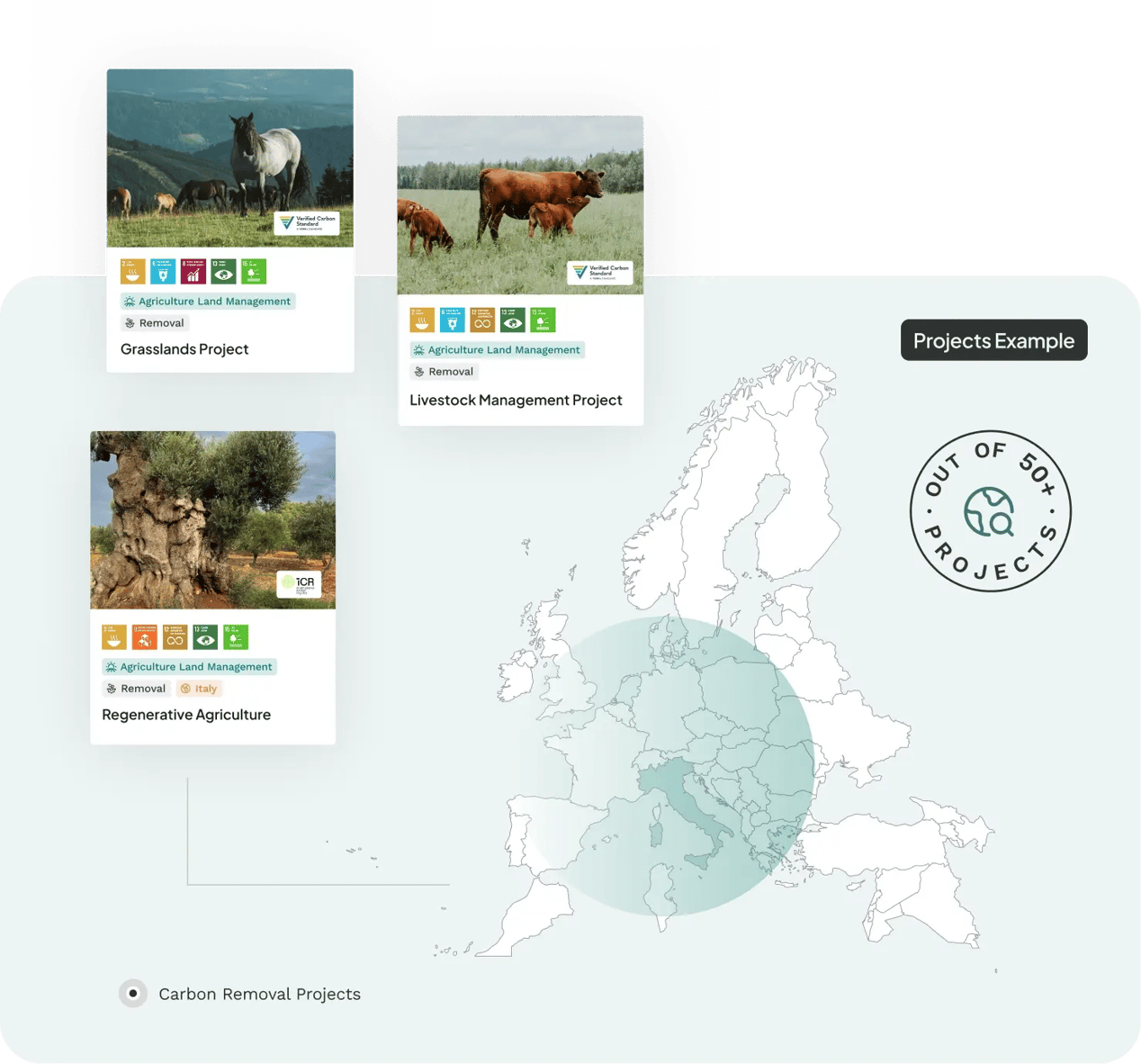
 Projects in Global Portfolio
 Locations
Company impact
By integrating Agricultural land Management projects as part of a broader portfolio of high-quality climate projects, companies can contribute through Ongoing Emissions Responsibility (OER) approaches while fighting against biodiversity loss and strengthening resilience against extreme weather to improve lives for both consumers and farmers.
Maximizing Carbon Impact through Agriculture Land Management Projects
 Emission reduction type: Avoidance &/or Removal
 Risk of reversal: High
 Permanence: Years to decades
 Price range: From €30 to €100
ALM projects include Livestock Management, Regenerative Agriculture, or Grasslands projects. Sustainable agriculture is a holistic approach that balances economic viability, environmental protection, and social equity in food production. It aims to meet today’s food needs while preserving natural resources for future generations through regenerative and circular practices that allow soils, water, and ecosystems to recover. These practices also help to slow the rate of natural soil carbon loss, which is exacerbated by conventional agriculture practices, such as heavy tilling and fertilizer overuse, that lead to soil depletion.
Unlike input-intensive conventional farming, it reduces reliance on chemical products, protects biodiversity, and strengthens soil health, while maintaining sufficient and affordable yields, making it a resilient and responsible model for long-term food system sustainability.

Strengthening Ecological Integrity & Ecosystem Services
Agricultural projects generate co-benefits that strengthen ecosystem integrity and support local actors, focusing on areas such as:


Biodiversity
Protect and restore biodiversity above and below ground.

Environmental
Improve soil health and fertility, minimize soil erosion, support the water cycle, and store carbon in the soil.

Social
Enhance food security, provide more nutrient-dense food, improve farmers’ long-term profitability, and equip farmers with new skills & environmental knowledge.
Why Integrate Agriculture Land Management Projects into your
Corporate Climate Strategy?
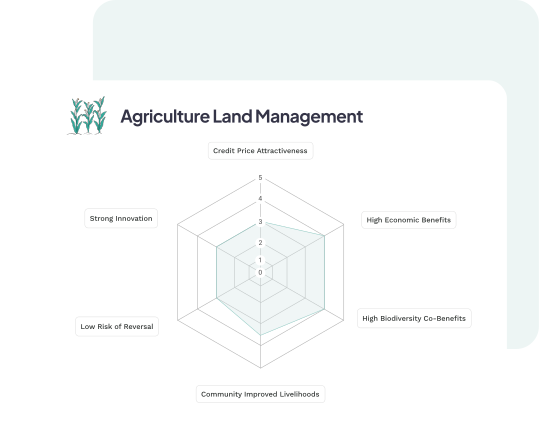
Agriculture Land Management projects play a critical role in both climate change mitigation and adaptation by enhancing the capacity of soils to act as carbon sinks. Through practices such as regenerative agriculture, improved grazing, and cover cropping, these projects increase soil organic carbon while reducing greenhouse gas emissions from agricultural activities.
For companies, supporting agriculture land management projects participate in climate change mitigation, fight against biodiversity loss, and climate adaptation. Their contribution helps strengthen resilience against extreme weather events and improve lives for both consumers and farmers, by reducing the use of chemical inputs for the former and enhances financial revenues for the latter.

 Expert Insight
Agriculture Land Management projects are among the most holistic Nature-based Solutions available today. By restoring soil health, improving water management, and promoting regenerative practices, we enhance natural carbon sinks while addressing social and biodiversity crises. These initiatives deliver long-term climate mitigation and resilience benefits for ecosystems and farmers worldwide
Iléana Perey
Carbon Project Analyst
Regenerative Agriculture
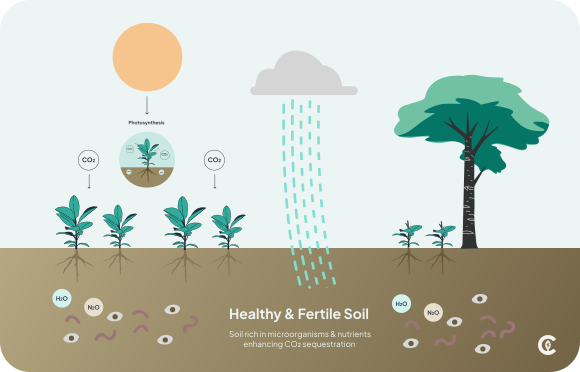
With soils losing much of their carbon storage due to intensive monoculture and productivist agriculture, regenerative agriculture offers a way to reverse this trend.
By reducing synthetic inputs, avoiding heavy tilling, and promoting cover crops and crop rotations, these projects restore soil health, fertility, and water retention while boosting biodiversity. They deliver both ecological benefits and economic opportunities, supporting resilient farms and thriving local communities.
Grasslands
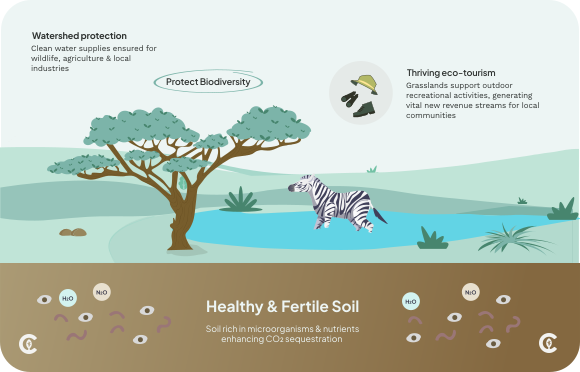
Increasing soil biodiversity, especially in grasslands, can significantly boost carbon storage, which is why these projects often integrate regenerative agriculture and sustainable livestock management. Unlike forests, grasslands recover quickly after fires, as their root systems remain intact, but they are highly threatened by tilling and monoculture conversion.
Most projects focus on preserving these lands, rewarding landowners who maintain natural grasslands instead of converting them to crops, protecting both carbon stocks and ecosystem health.
Livestock Management
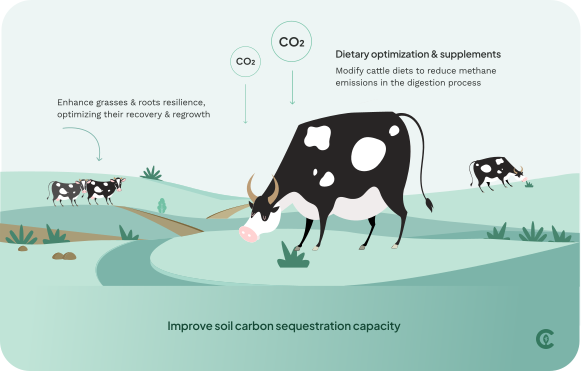
Better livestock management offers great opportunities to increase carbon removal. With good grazing management, and a corresponding improvement in pasture yield, livestock producers have the potential to draw CO2 out of the atmosphere and into their soils.
When livestock grazing is correctly rotated in the field, pastures are not overgrazed, giving room for grass and crops to recover and restock their soil carbon without needing to add fertilizer. The grass and crops are then encouraged to grow more roots and therefore remove more CO2. In addition, methane-reducing feed can help lower emissions directly from livestock by improving digestion and reducing the amount of methane released during the animals’ natural processes.
Project Examples

Regenerative Agriculture in Italy
Carbon Removal Regenerative Agriculture
The project empowers Italian farmers, especially olive oil producers, to combat climate change through regenerative agriculture. By blending agroforestry and tree planting with Italy’s agrarian heritage, the project enhances soil health and biodiversity and delivers high-quality carbon credits.


Grassland Projects
Carbon Removal Grassland Projects
Large-scale grassland restoration projects are demonstrating that regenerative grazing can turn degraded rangelands into significant carbon sinks while improving ecosystem health.